

Understanding Blade Geometry
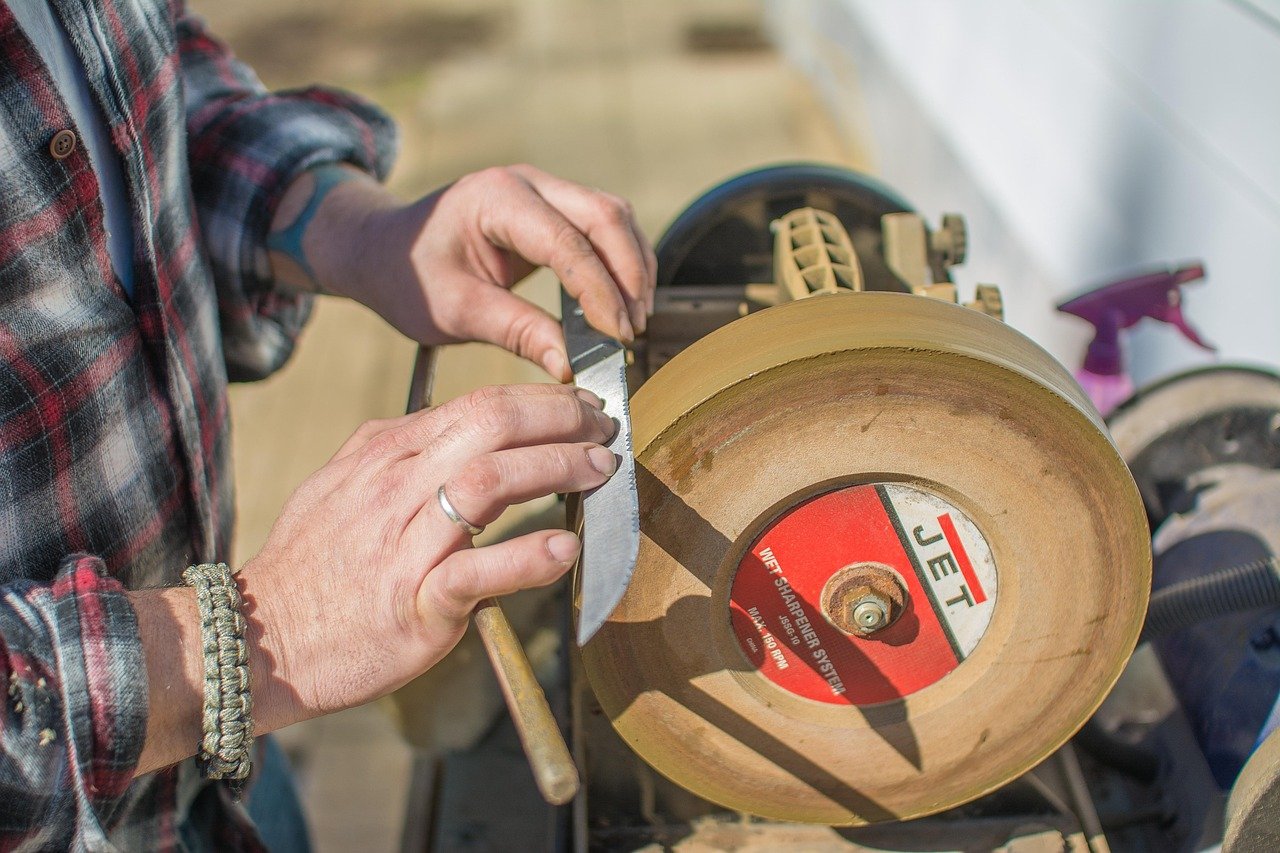
Blade sharpening begins with an understanding of the knife’s geometry, including its angle, bevel, and edge type. Most chefs’ knives have a blade angle of 15 to 20 degrees, which balances sharpness with durability. A thinner edge may cut more efficiently but is more susceptible to chipping, while a thicker edge is more robust but may not slice as cleanly.
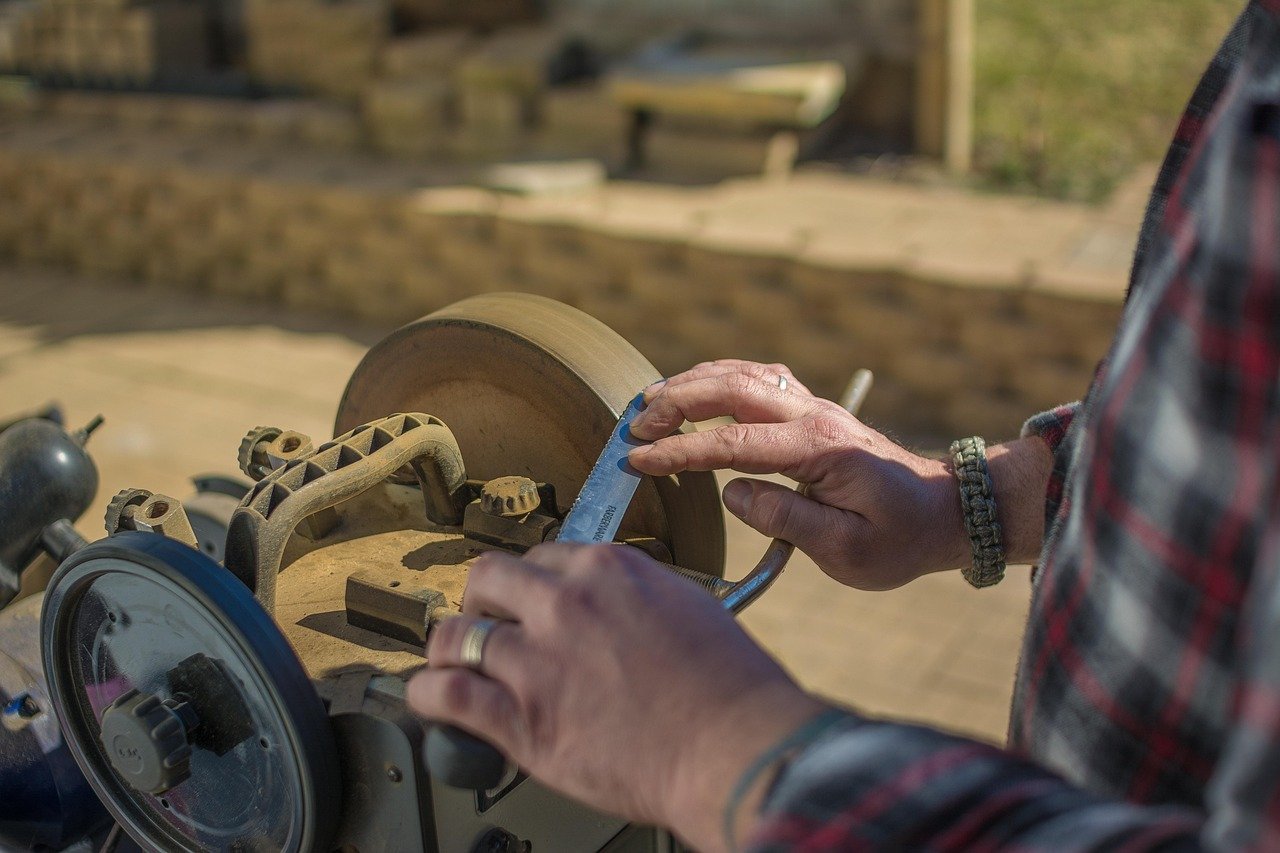
Know Your Knives
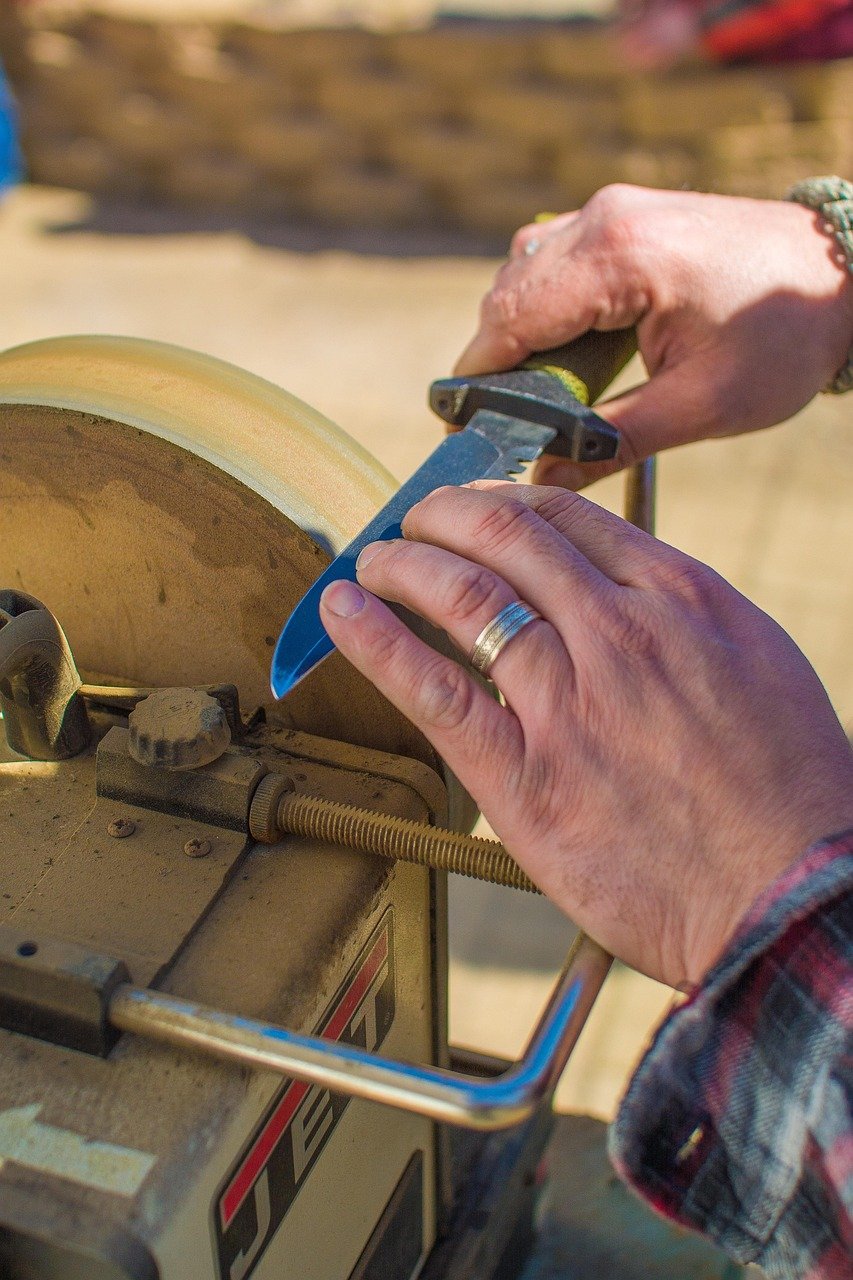
Chefs use various knives, including paring, utility, and chef’s knives. Familiarity with each type helps in understanding the appropriate sharpening technique. For instance, a utility knife’s blade may require a different angle compared to a heavy-duty chef’s knife.
Sharpening Tools
Whetstones
Whetstones, or sharpening stones, are the most popular sharpening tools among professional chefs due to their effectiveness. They come in different grits, such as coarse (200-600 grit), medium (1000-3000 grit), and fine (4000-8000 grit). Coarser grits are ideal for reshaping and repairing dull edges, while finer grits refine and polish the edge.
Honing Rods
Honing rods, or steel, are not sharpening tools; instead, they realign an already sharp edge. Regular use of a honing rod can prolong the time between sharpenings by maintaining the edge’s alignment. Typically, honing rods are used before or after cutting, allowing for consistent performance.
Electric and Manual Sharpeners
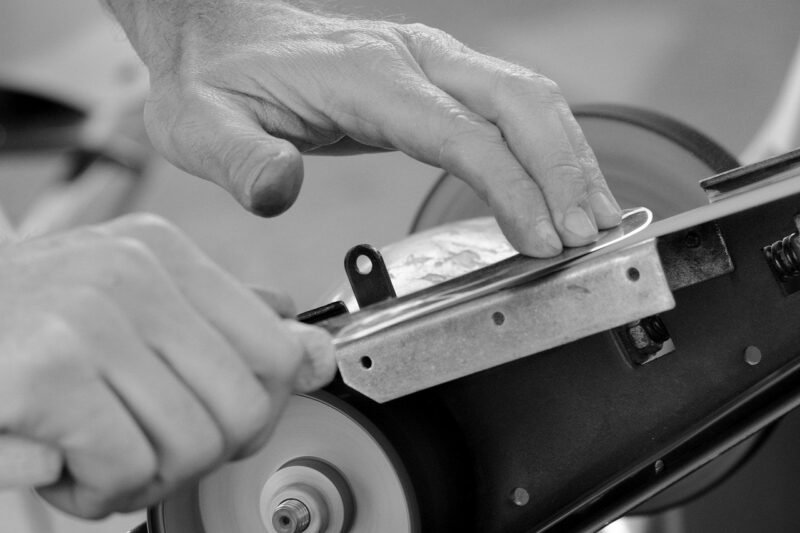
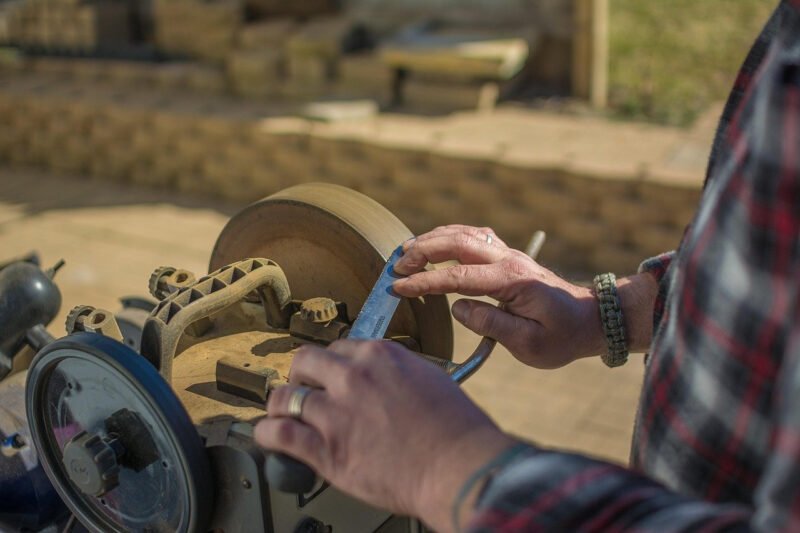
Electric and manual sharpeners offer convenience but often lack the precision of whetstones. While some chefs find them handy, especially in high-volume kitchens, they can strip away more metal than necessary, potentially altering the knife’s geometry over time.
Sharpening Techniques
Angle Consistency
Maintaining a consistent angle while sharpening is vital. Chefs should hold the knife at a stable angle (ideally 15-20 degrees) throughout the process. Many devices come with guides to help keep this angle consistent for beginners.
Using a Whetstone
- Preparation: Soak the whetstone in water for about 10-15 minutes, ensuring a lubricated surface.
- Starting with a Coarse Grit: Begin with a coarse grit if the knife is dull. Start at the heel of the blade, applying gentle pressure as you move toward the tip.
- Short Strokes: Use short, consistent strokes, covering the entire length of the blade. Repeat this process 8-10 times on each side.
- Switching to Finer Grit: Once you’ve established a new edge at the coarse grit level, rinse the stone and switch to a finer grit to refine the edge. Repeat a similar process, reducing the pressure for a polished finish.
Honing the Blade
After sharpening with a whetstone, use a honing rod:
- Positioning: Hold the honing rod vertically, with the tip resting on a non-slip surface.
- Honing: Place the knife against the rod at a 20-degree angle. Start from the heel and draw the knife down toward the rod’s tip, applying light pressure. Alternate sides, honing each side about 5-10 times to restore the edge’s alignment.
Testing Knife Sharpness
After sharpening, testing the knife’s sharpness is critical. A simple paper test involves slicing a piece of paper; a sharp knife should glide through effortlessly. Additionally, the tomato test—slicing through a ripe tomato with little pressure—is a classic method to assess sharpness.
Maintaining Your Knives
Regular maintenance extends the lifespan of your knives and includes proper washing, drying, and storage techniques. Always hand-wash your knives in warm, soapy water, avoiding dishwashers. Once cleaned, dry them immediately to prevent rust or corrosion.
Storage Solutions
Knives should be stored in a way that protects their edges. Using a magnetic strip, wooden block, or blade guards keeps the edges safe while ensuring easy access. Avoid tossing knives in a drawer with other utensils, as this can lead to dulling and chipping.
Trouble Shooting Common Issues
Uneven Edges
If the knife is sharpened unevenly, check that you’re maintaining a consistent angle. Take your time; rushing can lead to mistakes.
Chipping
Chipping often occurs from using the knife on hard surfaces like glass cutting boards or metal. Ensure to use wooden or plastic boards for optimal edge preservation.
Roll Over Edges
A rolled edge happens when the knife is used against hard materials. Regular honing can help avoid this issue, but severe rolls may require a complete resharpening.
Professional Sharpening Services
For highly specialized or high-end knives, it can be beneficial to use professional sharpening services. Experts may employ advanced techniques, ensuring blades are expertly sharpened without risking damage.
Environmental Considerations
When choosing sharpening tools and techniques, consider the environmental impact. Opt for natural whetstones instead of synthetic if possible, and always dispose of old, unusable equipment responsibly.
Conclusion
Blade sharpening is an essential skill for any chef, transforming dull instruments into precise culinary tools. With the right techniques, tools, and maintenance practices, chefs can ensure their knives remain sharp, enhancing their culinary creations with every cut. Investing time in learning these essential blade sharpening techniques will yield significant benefits in both the kitchen’s efficiency and the quality of prepared dishes. Investing in your skills and tools is a worthy commitment for every chef who aspires to culinary excellence.