

Top 5 Methods for Efficiently Sharpening Your Knife
1. Whetstone Sharpening
Whetstone sharpening is a classic and highly effective method for achieving a razor-sharp edge. It involves two types of stones: coarse and fine. The coarse side, typically around 200 to 1000 grit, is used to repair nicks and shape the blade, while the fine side, ranging from 3000 to 8000 grit, polishes the edge to perfection.
How to Use a Whetstone:
- Soak the Whetstone: If you’re using a water stone, soak it in water for about 10-15 minutes. For oil stones, apply a thin layer of honing oil.
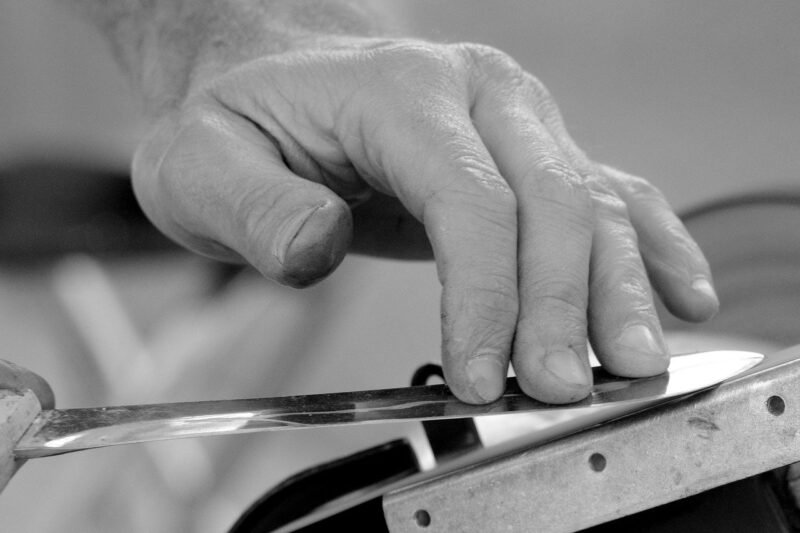
- Positioning the Knife: Hold the knife at a 20-degree angle to the stone. This angle is optimal for most kitchen knives.
- Sharpening Motion: Start at the heel of the blade (the part closest to the handle) and run it along the stone toward the tip, applying light pressure. Repeat 5-10 times on one side, then switch sides and repeat the process.
- Rinse and Clean: After sharpening, rinse the knife and the whetstone to remove any metal shavings.
Advantages:
- High level of control over sharpening.
- Can be customized for different types of knives.
- Allows for honing and polishing in one session.
2. Electric Knife Sharpener
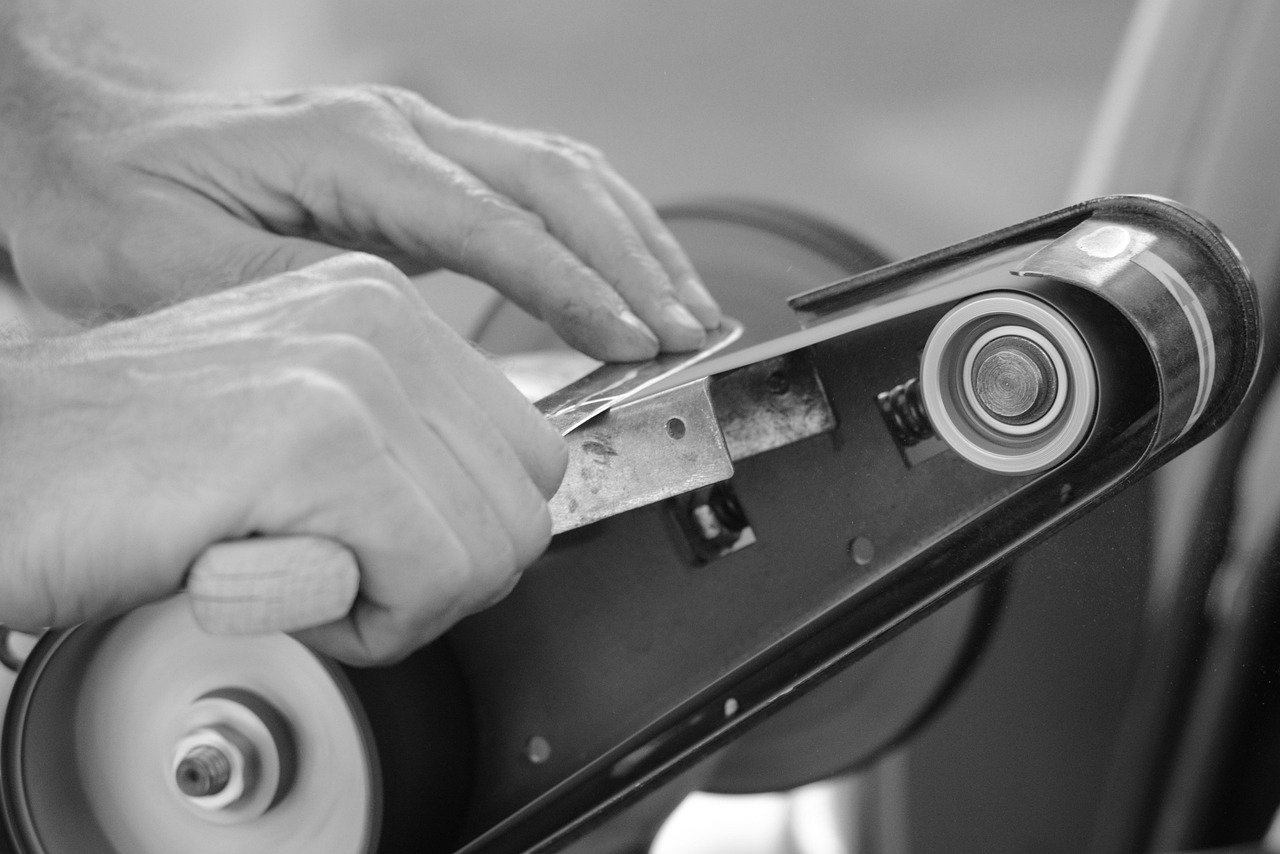
Electric knife sharpeners are convenient for quick sharpening, especially in busy kitchens. These machines often consist of two or three stages: coarse grinding, medium sharpening, and fine honing.
How to Use an Electric Knife Sharpener:
- Read the Instructions: Always follow the manufacturer’s guidelines specific to your electric sharpener.
- Select the Grit Setting: Depending on the sharpness of your knife, choose the appropriate setting.
- Insert the Knife: Place the knife in the slot and gently push and pull it through the machine, applying minimal pressure.
- Finish the Edge: For a polished finish, run the knife through the final honing stage.
Advantages:
- Fast and efficient sharpening process.
- User-friendly, requiring minimal skill.
- Ideal for home kitchens and busy chefs.
3. Manual Pull-Through Sharpener
Manual pull-through sharpeners are compact tools featuring two or three slots with varying grits. They are simple to use and typically portable, making them great for kitchen use or camping trips.
How to Use a Manual Pull-Through Sharpener:
- Stabilize the Sharpener: Place the sharpener on a stable surface or hold it securely in your hand.
- Insert the Knife: Position the blade into the designated slot.
- Pull the Knife Through: Using even, steady pressure, pull the knife through the slot from heel to tip. Repeat this motion 3-5 times, and switch to the honing slot if available for a final polish.
Advantages:
- Extremely user-friendly; suitable for all knife types.
- Compact and portable design.
- Quick sharpening solution for everyday use.
4. Ceramic Rod Sharpening
Ceramic rods are an effective tool for honing and maintaining the edge of a knife between more intensive sharpenings. They can also be used for light sharpening, as they are quite hard and can realign the edge.
How to Use a Ceramic Rod:
- Hold the Rod Vertically: Secure the rod in your non-dominant hand or position it in a stable holder.
- Angle the Knife: Similar to a whetstone, maintain a 20-degree angle between the knife and the rod.
- Sharpening Motion: Starting at the base of the knife, draw the blade down along the rod while applying light pressure. Repeat this 5-10 times on each side of the blade.
Advantages:
- Enhances the edge without removing significant metal.
- Maintains sharpness between sharpening sessions.
- Lightweight and portable for easy storage.
5. Leather Strop Method
The leather strop method is often used by professionals for final polishing and maintenance of an already sharp blade. A strop can invigorate a dulled edge and keep the knife in optimum condition.
How to Use a Leather Strop:
- Prep the Strop: Ensure the strop is clean and, if desired, apply a little honing compound for extra abrasion.
- Position the Knife: Hold the knife at a 15-20 degree angle against the strop.
- Draw the Knife: Starting with the heel, draw the blade away from the edge of the strop and toward the handle, applying gentle pressure. Repeat this 5-10 times, ensuring that both sides of the blade are polished.
Advantages:
- Simple and effective for maintaining a sharp edge.
- Enhances the mirror finish of the blade.
- Great for final touch-ups without altering the blade geometry.
Conclusion
Sharpening a knife can be achieved efficiently through various methods, each suited to different needs and preferences. Whetstones provide precision, electric sharpeners offer speed, manual pull-throughs deliver convenience, ceramic rods maintain edges, and leather strops give that finishing touch. Selecting the right sharpening technique can enhance your culinary experience, optimize knife lifespan, and ensure safety in the kitchen.