


Understanding Knife Sharpening
Kitchen knives are essential tools in every cook’s arsenal. Maintaining their edge ensures efficiency and safety during food preparation. However, the question often arises: how often should you sharpen your kitchen knives? The answer varies based on several factors, including knife usage, type of knife, and sharpening techniques employed.
Factors Affecting Sharpening Frequency
1. Usage Frequency
The more frequently you use your knives, the more often they’ll require sharpening. If you’re an avid home cook or a professional chef, your knives will dull quicker due to continuous slicing and chopping. A knife used multiple times a day will need frequent maintenance, possibly requiring sharpening every few weeks. For occasional cooks, your knives might only need sharpening a couple of times a year.
2. Types of Knives
Different knives have different maintenance needs. Here’s a breakdown:
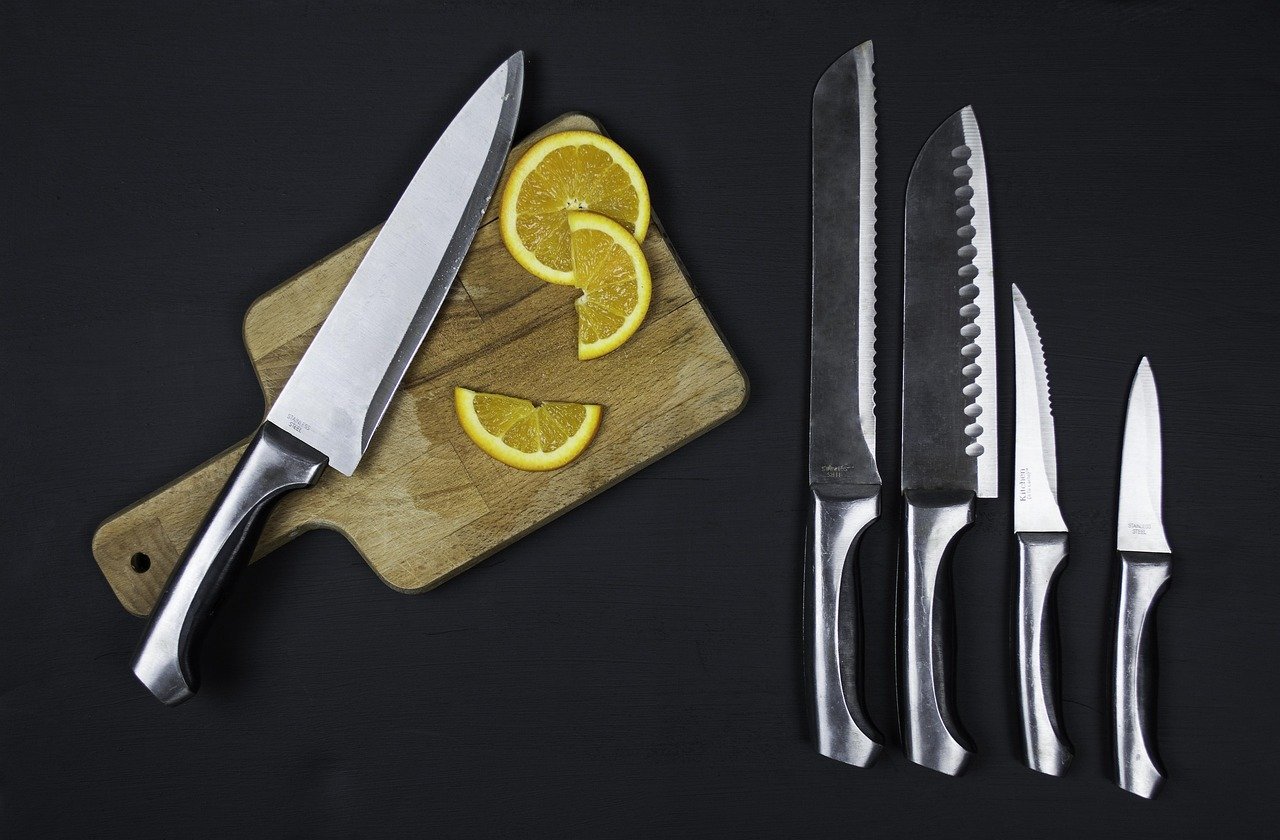
- Chef’s Knife: This versatile workhorse may need sharpening after 2-3 weeks of heavy use.
- Paring Knife: Used for smaller tasks, this knife may last longer without sharpening, needing it every 6 months to a year, depending on use.
- Serrated Knife: This knife type is more forgiving. They typically don’t require traditional sharpening, but they can benefit from honing every few months to keep the teeth aligned.
- Boning Knife: As it’s often used on meat, this knife might need sharpening every month if used regularly.
3. Cutting Surface
The type of surface you use can significantly impact knife durability. Wooden or bamboo cutting boards are gentler on blades compared to glass, ceramic, or stone surfaces, which can dull knives faster. Regular use on harder surfaces can necessitate more frequent sharpening.
Recognizing the Signs of a Dull Knife
Knowing when to sharpen your knife is crucial. Look out for these signs:
- Resistance While Cutting: If you feel like you’re exerting more force than usual to slice through food, it’s time to sharpen your knife.
- Miserable Performance: A dull blade will produce ragged cuts instead of clean ones, especially when slicing vegetables or meats.
- Visual Inspection: A keen edge reflects light; conversely, a dull edge appears flat.
Regular Maintenance vs. Sharpening
Honing vs. Sharpening
It’s essential to distinguish between honing and sharpening:
- Honing involves realigning the knife’s edge and should be done regularly, ideally before or after each use. This can be done with a honing rod or steel, which is effective at keeping the blade in optimal shape.
- Sharpening, however, removes material from the blade to regain a sharp edge and should be done less frequently.
Creating a habit of honing and reserving sharpening for when it’s genuinely needed will extend the life of your knife.
Methods of Sharpening
1. Manual Sharpeners
These require the user to manually move the blade through a system of abrasive slots. While convenient, they can sometimes lack the precision of professional sharpening methods.
2. Electric Sharpeners
Electric sharpeners are faster and easier to use. However, caution is needed as they can remove too much material from the blade if not used correctly.
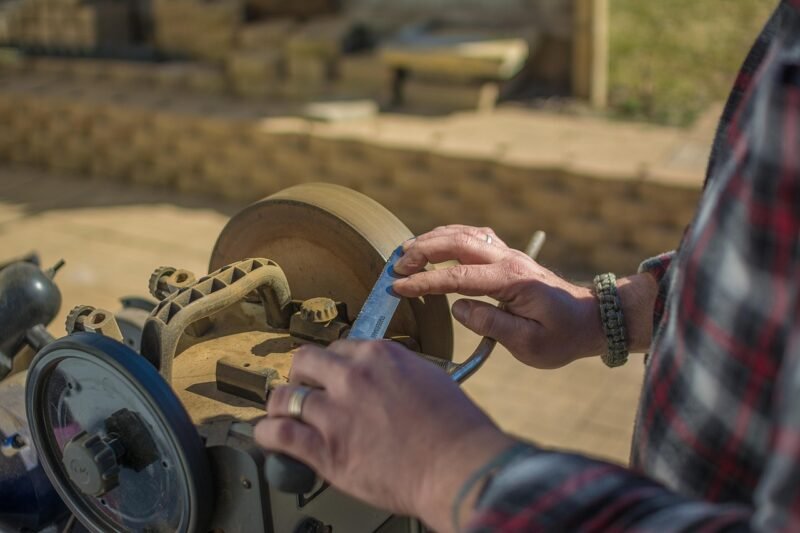
3. Sharpening Stones
These provide the most control and precision. Common types include water stones and diamond stones. For professional results, this method is highly recommended. A dual-sided stone is ideal, with one side coarse for sharpening and the other fine for honing.
Professional Sharpening Services
Sometimes, hiring a professional is the best choice, especially for high-end knives. They use advanced equipment and techniques that provide a superior edge. Consider sending knives to a professional service once a year, depending on usage.
Frequency Recommendations
- Every Use: Hone your knife after each use for best results.
- Every Few Weeks: Sharpen your chef’s knife if used daily.
- Every Few Months: For paring and boning knives, depending on use frequency.
- As Needed: Pay attention to performance before sharpening.
Caring for Your Knives
Proper care prolongs the time between sharpenings. Here are essential care tips:
- Avoid Dishwashers: Heat and detergents can damage the blades and handles.
- Proper Storage: Use magnetic strips, knife blocks, or sheaths to protect blade edges.
- Regular Cleaning: Wash knives by hand with mild soap and dry immediately to prevent rust.
Conclusion
Sharpening your kitchen knives is not a one-size-fits-all process. Factors including usage frequency, type of knife, and care habits all influence how often you should sharpen. By regularly honing your knives and sharpening them judiciously, you can maintain their performance over time. Taking proper care ensures that you will have a reliable, efficient set of knives that make cooking a joyful experience. Understanding your tools and their requirements is key to achieving the best results in your culinary endeavors.