

Manual vs Electric Knife Sharpener: Which One is Right for You?
When it comes to maintaining kitchen knives, having a sharp blade is essential for efficiency, safety, and precision. An essential part of this maintenance involves using the right knife sharpener. This article delves into the intricate comparisons between manual and electric knife sharpeners, highlighting their features, benefits, drawbacks, and ultimately guiding you toward making an informed decision.
Understanding Knife Sharpening
Before exploring sharpeners, it is essential to understand the basic principles of knife sharpening. Sharpening entails removing material from the blade’s edge to create a new, finer edge. Both manual and electric sharpeners aim to achieve this but use varying techniques and materials.
Manual Knife Sharpeners
Types of Manual Sharpeners
Manual knife sharpeners come in various forms, including whetstones, honing rods, and handheld sharpeners. Each type has its unique features:
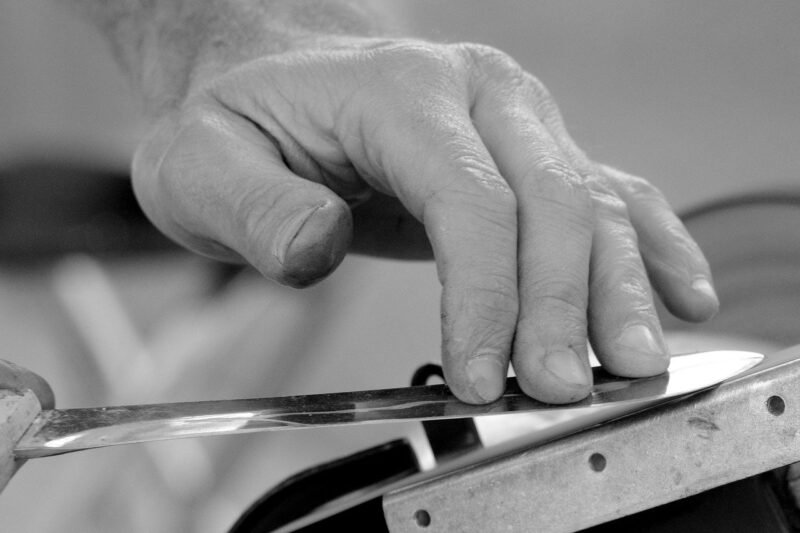
Whetstones: Comprising two grits, coarse and fine, whetstones require skill and practice, allowing users to sharpen to their preferred angle.
Honing Rods: These sharpeners extend the life of a knife’s edge by realigning it. They don’t significantly remove metal but are effective for regular maintenance.
- Handheld Sharpeners: Featuring fixed angles, these are user-friendly and often include multiple stages for shaping and polishing.
Advantages of Manual Sharpeners
Precision Control: Manual sharpeners give you direct control over the angle and pressure applied, allowing for a more customized sharpening experience.
Versatility: Whetstones can sharpen various blade types and sizes, including specialty knives.
Cost-Effectiveness: Generally, manual sharpeners are more affordable than their electric counterparts, making them accessible for home cooks and professionals alike.
- Maintenance: Manual sharpeners usually require less maintenance, being simpler in construction and often more durable.
Disadvantages of Manual Sharpeners
Learning Curve: Achieving proficiency with whetstones can take time; improper techniques may damage your knives.
Time-Consuming: Manual sharpening can be a slower process compared to the convenience of electric sharpeners.
- Physical Effort: Some users may find manual sharpening tiresome, especially when sharpening multiple knives.
Electric Knife Sharpeners
How Electric Sharpeners Work
Electric sharpeners operate with an automated grinding mechanism that quickly sharpens blades using rotating wheels. Most electric sharpeners feature preset angles and multiple stages to hone, sharpen, and polish knives effectively.
Advantages of Electric Sharpeners
Speed: The primary advantage lies in their efficiency; electric sharpeners sharpen knives significantly faster than manual options, making them ideal for busy kitchens.
Ease of Use: Few skills are needed; simply insert the knife, and the sharpener does the work, making it accessible for novice users.
Consistency: Electric sharpeners maintain consistent angles and pressure, potentially leading to a more uniform edge across multiple sharpenings.
- Versatility: Many electric sharpeners can handle a wide range of knife types, including serrated knives and some scissors.
Disadvantages of Electric Sharpeners
Cost: Generally more expensive than manual sharpeners, electric options may require a larger initial investment.
Less Control: While they provide consistent sharpening, users have limited ability to adjust angles or sharpening techniques, which may not suit every blade type.
- Maintenance: Electric sharpeners require more upkeep and care due to their mechanical components, which may need repairs or replacements.
Key Considerations for Choosing Between Manual and Electric
When contemplating which sharpener to invest in, consider the following essential factors:
1. Experience Level
Novice cooks may appreciate the simplicity and quickness of electric sharpeners, while experienced chefs who prefer tailored sharpening processes might lean towards manual options.
2. Knife Types
Evaluate the kinds of knives you own. Specialty and high-end knives may benefit more from the precision learning curve of whetstones, while general kitchen knives can be efficiently managed by an electric sharpener.
3. Frequency of Use
For those regularly engaged in food preparation, an electric knife sharpener streamlines the process. In contrast, for occasional home cooks, a manual sharpener may suffice.
4. Budget
Manual sharpeners offer a budget-friendly solution, while electric sharpeners represent a more significant financial commitment—consider your long-term usage plans.
5. Storage and Space
Electric knife sharpeners often take up more counter space compared to compact manual sharpeners. For individuals with limited kitchen space, this could be a determining factor.
6. Preferences and Values
Reflect on your values regarding craftsmanship versus convenience. If you enjoy the art of sharpening and take pride in maintaining your knives, manual might be the way to go.
Conclusion
Navigating the decision between a manual or electric knife sharpener boils down to a mix of personal preferences, knife maintenance habits, and culinary needs. Both options feature distinct attributes that appeal to different users, thus providing various sharpening experiences. By understanding the pros and cons of each type, you can make an informed decision that complements your cooking lifestyle and ensures your knives maintain their optimum performance. Whether you favor the tactile nature of manual sharpening or the convenience of electric models, the ultimate aim remains the same: achieving a razor-sharp edge for efficient and enjoyable food preparation.