


Mastering the Care of Your Santoku Knife
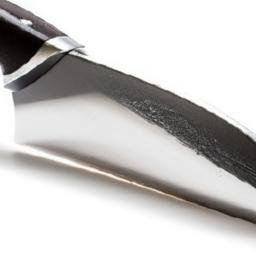
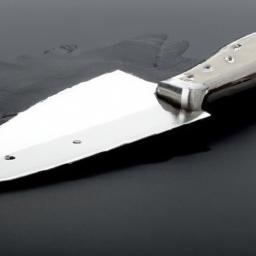
The Santoku knife, a staple in Japanese culinary tradition, is celebrated for its adaptability in chopping, slicing, and dicing. Its unique design—featuring a shorter, broad blade with a flat cutting edge—makes it ideal for a wide range of kitchen tasks. To preserve its sharpness and durability, understanding how to properly maintain your Santoku knife is crucial for long-lasting performance.
Optimal Storage Solutions for Longevity
Wooden and Bamboo Knife Holders
Storing your Santoku knife in a wooden or bamboo block is an excellent way to protect the blade’s edge. These natural materials cushion the knife, preventing dulling caused by friction when inserting or removing the blade. Avoid metal or iron blocks, as they can scratch and damage the blade surface.
Magnetic Knife Racks
Magnetic strips offer a practical and stylish storage option, keeping your knife accessible and visible while safeguarding the blade from contact damage. Ensure the knife is securely aligned with the magnet to prevent accidental slips or injuries.
Blade Sheaths for Drawer Storage
If drawer storage is your preference, invest in protective blade guards. These covers shield the cutting edge from nicks and protect other utensils from accidental cuts, maintaining safety and blade integrity.
Effective Cleaning Practices to Preserve Sharpness
Hand Washing Over Dishwashing
Always wash your Santoku knife by hand using warm water and mild detergent. Dishwashers expose knives to extreme heat and abrasive detergents that can degrade both the blade and handle materials. After washing, rinse thoroughly and dry immediately to prevent rust and corrosion.
Choosing the Right Cleaning Tools
Use soft sponges or microfiber cloths to clean your knife gently. Avoid abrasive scrubbers like steel wool or harsh pads, which can scratch the blade and diminish its finish. Carefully remove all food residues and moisture to maintain optimal hygiene.
Natural Remedies for Stubborn Stains
For persistent discoloration or odors, apply a paste made from baking soda and water. This gentle, natural cleaner effectively lifts stains without harming the blade. Rinse well and dry thoroughly afterward.
Sharpening Techniques to Extend Blade Life
Whetstone Sharpening Method
Using a whetstone remains the gold standard for sharpening Santoku knives. Soak the stone in water for 10–15 minutes before use. Hold the blade at a 15 to 20-degree angle and glide it evenly across the stone, alternating sides to maintain a balanced edge.
Maintaining Edge Alignment with Honing Rods
Regular honing with a steel rod helps realign the blade’s edge between sharpenings. Hold the rod vertically and draw the knife down at the correct angle with consistent pressure. This simple step keeps your knife performing at its best.
Professional Sharpening Services
If sharpening at home feels daunting, professional services can restore your Santoku knife’s edge expertly. Scheduling a professional sharpening every few years ensures your blade remains razor-sharp and ready for precise cutting.
Identifying When Your Knife Needs Attention
Signs of Diminished Cutting Efficiency
When you notice increased resistance or the need for extra force while slicing, it’s a clear indicator your Santoku knife is losing its sharpness. A well-maintained knife should effortlessly glide through ingredients.
Inspecting for Blade Damage
Regularly check the blade for chips, nicks, or uneven edges. Even small imperfections can affect cutting performance and signal the need for immediate sharpening or repair.
Challenges with Soft Foods
Difficulty slicing delicate items like ripe avocados or fresh herbs suggests the blade has dulled. Maintaining a keen edge is essential for handling such sensitive ingredients without crushing or tearing.
Preserving the Handle for Comfort and Safety
Handle Material Considerations
Santoku knife handles come in wood, plastic, or metal variants. Use cleaning agents suited to the handle’s material to prevent deterioration. For example, avoid harsh chemicals on wooden handles to maintain their finish and strength.
Checking for Loose Components
Periodically inspect the handle for loose rivets or fittings, which can compromise safety. Tighten any loose parts or seek professional repair to avoid accidents during use.
Protecting Wooden Handles from Moisture
Wooden handles require special care—never soak them in water. Instead, wipe with a damp cloth and dry immediately to prevent warping, cracking, or mold growth.
Routine Inspections to Ensure Peak Performance
Visual Examination
Conduct frequent visual checks for rust, corrosion, or other signs of wear. Early detection allows for timely maintenance, preserving the knife’s functionality and appearance.
Performance Testing
Test your knife’s cutting ability on a variety of foods, from soft fruits to firm vegetables. This practical assessment helps identify any decline in sharpness or balance that may require attention.
Safety Tips for Everyday Use
Choosing the Right Cutting Surface
Always use wooden or plastic cutting boards to protect your knife’s edge. Avoid glass, marble, or stone surfaces, which can dull blades quickly and cause chipping.
Applying Appropriate Cutting Force
Refrain from using your Santoku knife to cut through bones or frozen foods. For such tasks, a cleaver or specialized knife is more suitable. Proper technique and appropriate tool use extend your knife’s lifespan.
Safe Storage Away from Children
Keep your Santoku knife out of children’s reach to prevent accidents. Educate household members on safe handling and storage practices to foster a secure kitchen environment.
Understanding the Steel Behind Your Blade
High-Carbon Stainless Steel Advantages
Many Santoku knives are crafted from high-carbon stainless steel, offering an excellent balance of sharpness retention and corrosion resistance. Knowing your knife’s steel type helps tailor maintenance routines effectively.
Characteristics of Damascus Steel
Premium Santoku knives often feature Damascus steel, prized for its striking layered patterns and exceptional edge durability. These knives require similar care but benefit from extra attention to moisture prevention to maintain their beauty and performance.
Conclusion: Elevate Your Culinary Experience Through Proper Knife Care
By adopting these comprehensive care strategies, your Santoku knife will remain a dependable and efficient tool in your kitchen arsenal. Investing time in proper storage, cleaning, sharpening, and safety not only enhances your cooking precision but also ensures your knife’s longevity for years of culinary enjoyment.