


Must-Have Knife Sharpening Equipment for Home Kitchens
Mastering the art of sharpening knives at home is indispensable for cooking enthusiasts and anyone who values efficient food preparation. A well-honed blade not only boosts cutting precision but also significantly reduces the risk of kitchen accidents. With a variety of sharpening tools on the market, each offering distinct advantages, this guide explores the essential equipment for home knife maintenance and shares practical advice for their optimal use.
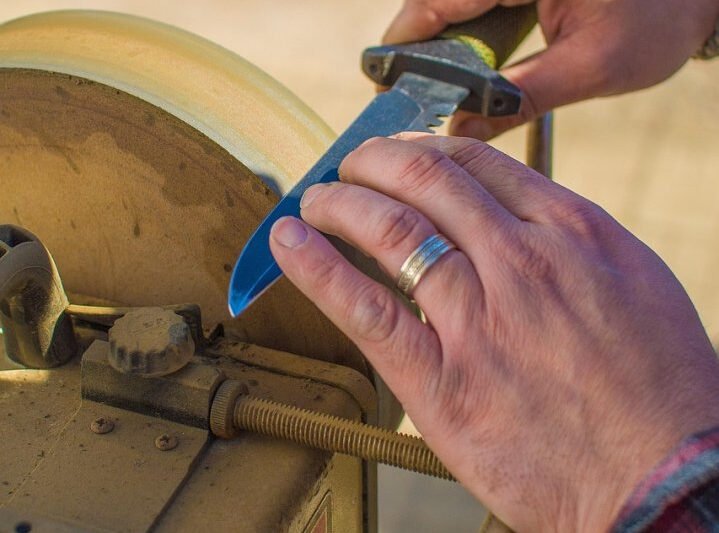
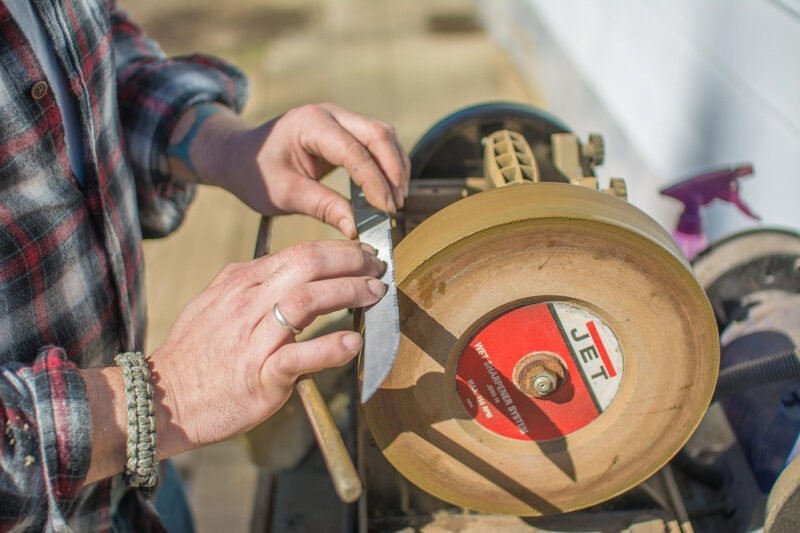
Traditional and Effective: Whetstones
Whetstones remain a classic choice for knife sharpening, crafted from either natural or synthetic materials. They demand patience and technique but reward users with exceptional edge quality. Whetstones come primarily in two varieties:
- Oil Stones: These require oil as a lubricant to prevent clogging and generally have a longer lifespan. However, they can be messier and less convenient than other options.
- Water Stones: Soaked in water before use, these stones are favored for their rapid sharpening ability and the fine, polished edge they produce.
Choosing the right grit is crucial: coarse grits (200-600) are ideal for repairing dull or damaged blades, medium grits (800-2000) for regular sharpening, and fine grits (above 2000) for honing and polishing.
Technique: Maintain a consistent angle—usually around 20 degrees for kitchen knives—and glide the blade across the stone in smooth, sweeping motions. Alternate sides evenly until the blade reaches the desired sharpness.
Maintaining Edges Between Sharpenings: Sharpening Rods
Sharpening rods, also called honing steels, are indispensable for keeping knives sharp between full sharpening sessions. They come in metal, ceramic, and diamond-coated varieties, each serving a specific purpose:
- Metal Rods: The most common type, primarily used to realign the blade’s edge rather than remove material.
- Ceramic Rods: Harder than metal, these rods polish and refine the edge for a smoother cut.
- Diamond-Coated Rods: Featuring an abrasive surface, these rods can both sharpen and hone, making them versatile.
Usage: Hold the rod vertically and draw the knife blade down at a 15-20 degree angle, alternating sides to maintain a balanced edge.
Speed and Convenience: Electric Knife Sharpeners
Electric sharpeners offer a fast and user-friendly solution, especially for beginners or those pressed for time. Utilizing motorized grinding wheels, they efficiently restore blade sharpness, though they may not achieve the same precision as manual methods.
Typically, these devices feature multiple slots with different grit levels to handle various sharpening stages and often include angle guides for consistent results.
How to Use: Insert the knife into the appropriate slot and gently pull it through, following the manufacturer’s guidelines for optimal performance.
Compact and Practical: Manual Knife Sharpeners
Manual sharpeners strike a balance between the traditional whetstone and electric models, offering preset angles and multiple sharpening stages in a portable format.
- Pull-Through Sharpeners: Equipped with two or three abrasive slots, these allow users to simply pull the blade through to sharpen.
- Handheld Sharpeners: Featuring coarse and fine sides, these compact tools are perfect for quick edge touch-ups on the go.
Instructions: Align the blade with the sharpener’s slots and pull through steadily, maintaining consistent pressure for best results.
Precision Assistance: Knife Sharpening Jigs
Sharpening jigs are designed to hold knives at a fixed angle, ensuring uniform sharpening—ideal for novices or anyone seeking repeatable accuracy. Compatible with whetstones and some electric sharpeners, these jigs often allow angle adjustments tailored to different blade types.
Usage: Secure the knife in the jig, set the desired angle, and sharpen using your preferred method while the blade remains stable.
Finishing Touch: Leather Strops
Often overlooked, leather strops are essential for refining a razor-sharp edge after sharpening. They polish the blade and remove tiny burrs left behind, enhancing cutting performance.
Strops may be plain leather or treated with polishing compounds to boost effectiveness.
How to Use: If using a compound, apply a small amount to the leather. Hold the knife at a very shallow angle and gently draw the blade backward across the strop, repeating on both sides several times.
Specialized Sharpeners for Unique Blades
Some knives require tailored sharpening tools due to their distinctive blade designs. For example, serrated knives cannot be sharpened effectively with flat stones or rods.
- Serrated Knife Sharpeners: These feature tapered rods that fit precisely into serrations, preserving the blade’s original profile.
- Scissors and Multi-Tool Sharpeners: Designed specifically for scissors and multi-tools, these sharpeners keep a variety of cutting implements in top condition.
Essential Maintenance Products for Longevity
Beyond sharpening, proper maintenance products are key to extending the life of your knives.
- Knife Oil: Food-safe mineral oils protect blades, especially high-carbon steel, from rust and corrosion.
- Cleaning Tools: Use soft sponges and mild detergents to clean knives after use, avoiding abrasive materials that can damage the blade.
Prioritizing Safety During Sharpening
Safety is paramount when handling sharp tools. Protective gear such as cut-resistant gloves, aprons, and non-slip mats can prevent injuries during sharpening.
Non-slip mats stabilize sharpening surfaces, crucial when working with whetstones or manual sharpeners. Cut-resistant gloves provide an extra safeguard against accidental slips.
Final Thoughts
Equipping your kitchen with the right knife sharpening tools empowers you to maintain blades that are both sharp and safe. Regular sharpening combined with proper upkeep transforms knives into reliable culinary instruments, enhancing your cooking experience. Investing time and resources into these essential tools ensures your knives remain a valuable asset in your home kitchen for years to come.