
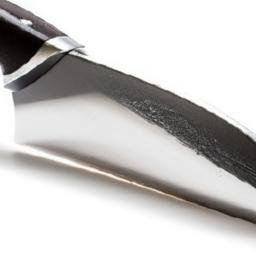
Gyuto vs. Santoku: Choosing the Ideal Knife for Your Kitchen
Selecting the right kitchen knife can profoundly impact your cooking efficiency and enjoyment. Among the most favored options are the Gyuto and Santoku knives, each offering distinct features tailored to different culinary styles. Gaining insight into their differences will empower you to pick the knife that best suits your cooking needs.
Introducing the Gyuto Knife
The Gyuto, often dubbed the Japanese equivalent of the Western chef’s knife, translates to “beef sword,” reflecting its origins in butchery and versatile kitchen use. Typically, Gyuto blades measure between 180mm and 300mm, with 240mm being a popular length favored by many chefs worldwide.
Design and Blade Characteristics
Characterized by a gently curved edge, the Gyuto facilitates a smooth rocking motion, ideal for slicing, chopping, and dicing. Its slender blade enhances precision, while the pointed tip excels in detailed tasks such as scoring or peeling delicate ingredients.
Materials and Craftsmanship
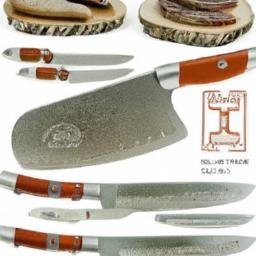
Premium Gyuto knives are commonly forged from high-carbon stainless steel, ensuring excellent edge retention and corrosion resistance. Many artisans incorporate traditional Japanese Damascus layering techniques, which not only boost performance but also create visually striking patterns on the blade.
Benefits of Using a Gyuto Knife
- All-Purpose Functionality: The Gyuto’s design supports a wide array of kitchen tasks, from delicate slicing to robust chopping, making it a versatile tool for any cook.
- Enhanced Precision: Its thin blade allows for meticulous cuts, perfect for handling fragile ingredients like herbs or sashimi-grade fish.
- Superior Sharpness: Gyuto knives often feature a sharper edge compared to many Western counterparts, enabling clean, effortless cuts.
- Efficient Rocking Motion: The curved blade promotes a comfortable rocking technique, speeding up food preparation when dealing with larger quantities.
Understanding the Santoku Knife
The Santoku, meaning “three virtues,” is celebrated for its proficiency in slicing, dicing, and mincing. With blade lengths generally between 160mm and 210mm, it is a favorite among both home cooks and professionals seeking a compact yet effective knife.
Blade Profile and Features
The Santoku sports a flatter blade compared to the Gyuto, favoring an up-and-down chopping motion over rocking. Many models incorporate granton edges—small scallops along the blade—that reduce friction and prevent food from sticking, enhancing slicing efficiency.
Construction and Materials
Like the Gyuto, Santoku knives are often crafted from high-carbon stainless steel. Variations exist between stamped and forged blades, with forged versions typically offering greater durability and balance.
Advantages of the Santoku Knife
- Compact and Manageable: Its shorter blade length provides excellent control, especially beneficial in smaller kitchens or for cooks preferring lighter knives.
- Non-Stick Blade Surface: The granton edges help release sticky foods such as soft cheeses or cucumbers, making slicing smoother.
- Comfortable Handling: Balanced weight distribution ensures ease of use, suitable for beginners and seasoned chefs alike.
- Perfect for Asian Cuisine: The Santoku’s design complements many Asian cooking techniques, such as finely chopping scallions, dicing tofu, and mincing garlic.
Comparing Gyuto and Santoku: Essential Differences
Blade Dimensions and Shape
Gyuto knives generally feature longer blades (180mm–300mm) with a pronounced curve, facilitating a rocking cut. In contrast, Santoku blades are shorter (160mm–210mm) and straighter, optimized for vertical chopping motions.
Preferred Cutting Styles
The Gyuto excels with a rocking technique, ideal for larger ingredients and extended cutting sessions. The Santoku favors quick, precise vertical cuts, making it especially effective for vegetables and smaller items.
Weight and Balance Considerations
Gyutos tend to be heavier, providing the heft needed for tougher tasks like breaking down meat. Santokus are lighter and better balanced for swift, nimble movements, appealing to cooks who prioritize agility.
Factors to Weigh When Selecting Your Knife
- Cooking Habits: If your kitchen repertoire is diverse, a Gyuto’s versatility may serve you best. For straightforward chopping and slicing, a Santoku could be more practical.
- Ergonomics: The knife’s weight and balance should complement your hand size and grip style. Testing both types can help identify the most comfortable fit.
- Culinary Focus: For those specializing in Asian dishes, the Santoku’s design offers distinct advantages. Conversely, if your cooking involves substantial meat preparation, the Gyuto is often preferred.
- Investment Level: Both knives range from budget-friendly to premium models. Higher-end options typically feature superior materials and craftsmanship, enhancing longevity and performance.
Final Thoughts
Choosing between a Gyuto and a Santoku knife hinges on understanding their unique attributes and how they align with your cooking style. Both knives bring exceptional qualities to the kitchen, whether it’s the Gyuto’s adaptability and precision or the Santoku’s ease of handling and efficiency. By evaluating your culinary preferences and tasks, you can select the knife that will elevate your cooking experience and streamline meal preparation.