

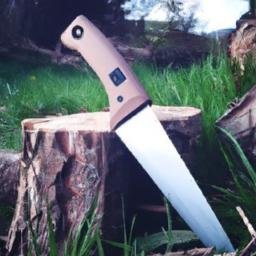
Exploring the Varieties of Camping Knives

Selecting the ideal knife for camping is crucial to enhancing your outdoor adventures. Camping knives are crafted in various styles, each tailored to specific functions and environments. Understanding these types will help you choose the best tool for your needs.
Primary Categories of Camping Knives
-

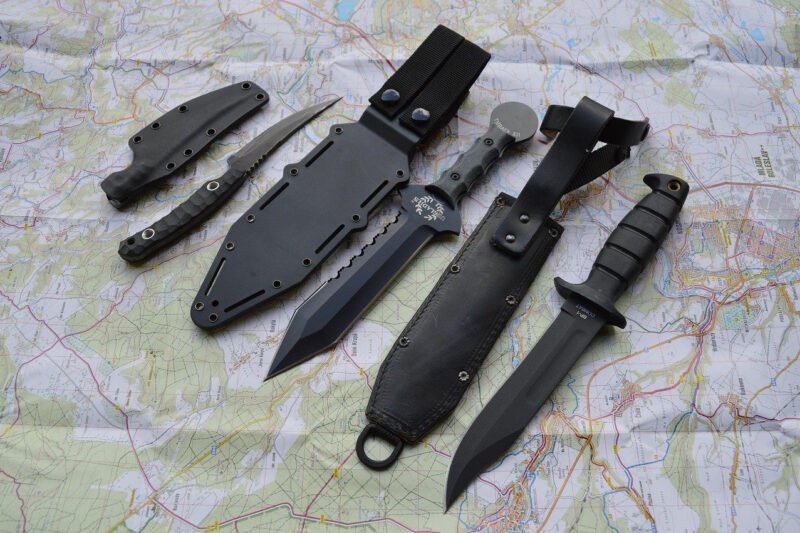
Fixed-Blade Knives: These knives feature a blade permanently affixed to the handle, offering unmatched durability and strength. They excel in demanding tasks such as splitting firewood, food preparation, and emergency medical use. Their robust construction makes them a staple for serious campers and survivalists.
Folding Knives: Designed for portability and safety, folding knives fold the blade into the handle, making them compact and easy to carry. They are perfect for routine camping chores like slicing food, carving wood, or fixing equipment on the go.
Multitools: Combining multiple implements such as pliers, screwdrivers, and blades, multitools offer versatility in a single compact device. Ideal for campers who prefer an all-encompassing tool to handle a variety of tasks without carrying multiple items.
Survival Knives: Engineered for harsh wilderness conditions, survival knives often include features like serrated edges, built-in fire starters, or hollow handles for storing essentials. These knives are indispensable for emergency preparedness and extended outdoor excursions.

Essential Attributes to Evaluate When Choosing a Camping Knife
Blade Composition
The material of the blade plays a pivotal role in its effectiveness and lifespan. Here are the most prevalent options:
- Stainless Steel: Favored for its resistance to rust and ease of upkeep, stainless steel blades are excellent for damp environments and tasks like cleaning fish or cutting wet materials.
- Carbon Steel: Praised for superior sharpness and edge retention, carbon steel requires more maintenance to prevent corrosion but delivers outstanding cutting performance for those willing to care for it.
- Ceramic: Known for being lightweight and maintaining a razor-sharp edge, ceramic blades resist rust but are more fragile and prone to chipping under heavy use.
Blade Shape and Functionality
The contour of the blade affects its suitability for different tasks. Common blade profiles include:
- Drop Point: Characterized by a convex curve on the spine leading to the tip, this design offers excellent control and is versatile for piercing and slicing.
- Clip Point: Featuring a concave curve near the tip, clip point blades provide precision cutting but may be less durable under heavy pressure.
- Sheepsfoot: With a straight edge and a rounded tip, sheepsfoot blades are ideal for slicing and skinning, minimizing accidental punctures.
Ergonomics and Handle Materials
A comfortable and secure grip is vital for safe and efficient knife use. Consider these handle materials:
- Polymer/Plastic: Lightweight and often textured for grip, plastic handles are durable but may feel cold in low temperatures.
- Rubber: Offers excellent grip, especially in wet or slippery conditions, and provides cushioning for extended use.
- Wood: Traditional and visually appealing, wooden handles offer a warm feel but can become slippery when wet and require maintenance.
Weight and Dimensions
Your choice of knife size and heft should align with your camping style:
- Lightweight Knives: Ideal for backpackers and hikers who need to minimize pack weight without sacrificing utility.
- Heavier Knives: Better suited for car campers or those undertaking heavy-duty tasks where durability and power are prioritized over portability.
Additional Features to Enhance Your Camping Knife
Protective Sheaths
A well-crafted sheath safeguards the blade and ensures user safety during transport. Look for sheaths made from resilient materials such as nylon or leather, equipped with secure fastenings like snap closures and adjustable belt loops for convenience.
Integrated Functionalities
Many modern camping knives incorporate extra tools to boost versatility:
- Serrated Blades: Perfect for cutting fibrous materials like rope or tough vegetation with less effort.
- Fire Starters: Built-in ferrocerium rods or flint components are invaluable for igniting fires in survival situations.
- Lanyard Attachments: Holes or loops allow you to tether the knife to your gear or wear it for quick access.
Balancing Quality and Budget
While premium knives often deliver superior craftsmanship and longevity, affordable models can adequately meet the needs of casual campers. Assess your intended use and invest accordingly. For example, a $40 folding knife may suffice for weekend trips, whereas a $180 fixed-blade survival knife could be a worthwhile purchase for frequent adventurers.
Top Brands Trusted by Outdoor Enthusiasts
- Morakniv: Celebrated for their robust fixed-blade knives crafted from high-grade steel, Morakniv is a go-to for many outdoor lovers.
- Benchmade: Known for precision-engineered folding knives with ergonomic designs, Benchmade appeals to those seeking premium quality.
- Gerber: Offering a broad range of multitools and knives, Gerber caters to diverse budgets and preferences.
- Spyderco: Renowned for innovative blade shapes and superior materials, Spyderco knives are favored by serious campers and survivalists.
Maintaining Your Camping Knife for Longevity
Proper upkeep ensures your knife remains reliable and effective over time. Follow these guidelines:
- Cleaning: Rinse the blade with warm water and mild soap after use, then dry thoroughly to prevent rust. Avoid dishwasher cleaning to protect the blade and handle.
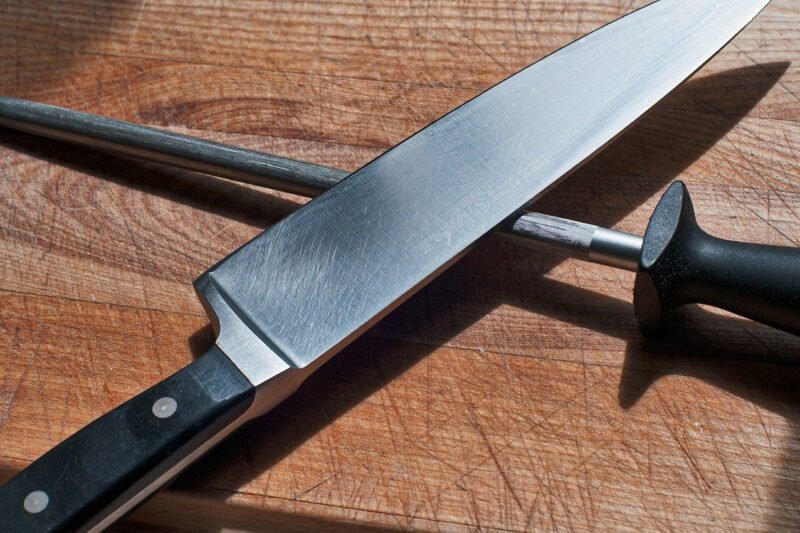
- Sharpening: Regularly hone your knife with a whetstone or sharpening system to maintain a sharp edge, which enhances safety and efficiency.
- Storage: Keep your knife in a dry, cool environment. For carbon steel blades, apply a light coat of oil to inhibit corrosion.
Concluding Advice on Selecting the Perfect Camping Knife
Choosing a camping knife requires thoughtful evaluation of its type, blade material, design, and supplementary features to match your outdoor activities. Whether you opt for a sturdy fixed blade for rugged tasks or a compact multitool for versatility, the right knife can greatly improve your camping experience. Take the time to research and test options to find a knife that aligns with your needs, style, and budget. Equipped with the appropriate knife, you’ll be better prepared to enjoy and navigate the wilderness confidently.