



Revolutionary Knife Innovations That Transformed Culinary Arts

1. The Chef’s Knife: The Quintessential Culinary Tool
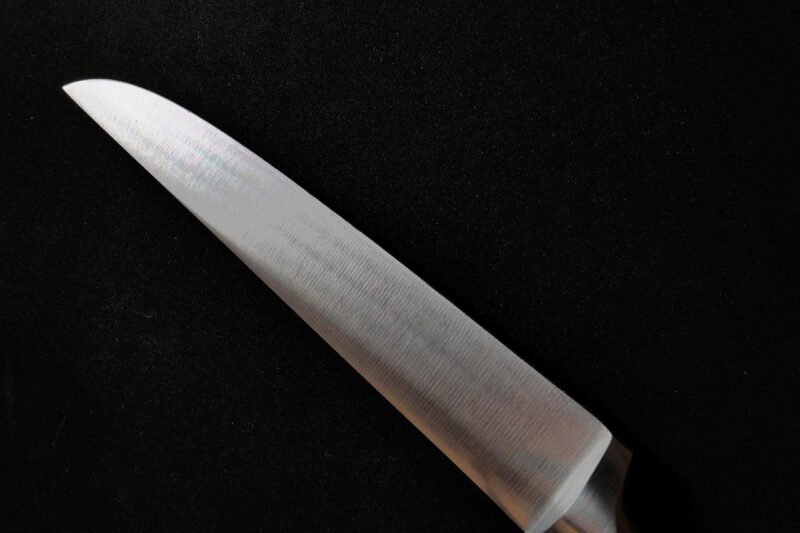
Known widely as the “French knife,” the chef’s knife revolutionized cooking by merging multiple cutting functions into a single, indispensable instrument. Typically measuring between 8 and 12 inches, its broad, curved blade facilitates a smooth rocking motion, enabling chefs to chop, dice, and slice with remarkable speed and precision. This all-purpose knife remains a cornerstone in both professional kitchens and home cooking environments, symbolizing culinary adaptability and innovation.
2. Santoku Knife: Japan’s Culinary Gift to the World
Emerging in mid-20th century Japan, the Santoku knife—meaning “three virtues”—excels at slicing, dicing, and mincing. Its hallmark feature, the Granton edge, incorporates hollowed grooves that reduce friction and prevent food from sticking to the blade, enhancing cutting efficiency. This knife exemplifies a harmonious blend of traditional Japanese craftsmanship and modern culinary demands, influencing chefs globally in their ingredient preparation techniques.
3. Paring Knife: Mastering Detail with Precision
Compact yet powerful, the paring knife, usually 3 to 4 inches in length, is tailored for meticulous tasks such as peeling, trimming, and deveining. Its small size offers exceptional control, making it ideal for delicate work that demands accuracy. The introduction of the paring knife has elevated the finesse of food presentation and intricate preparation, becoming a vital tool for chefs focused on detail-oriented cooking.
4. Bread Knife: The Serrated Solution for Perfect Slices
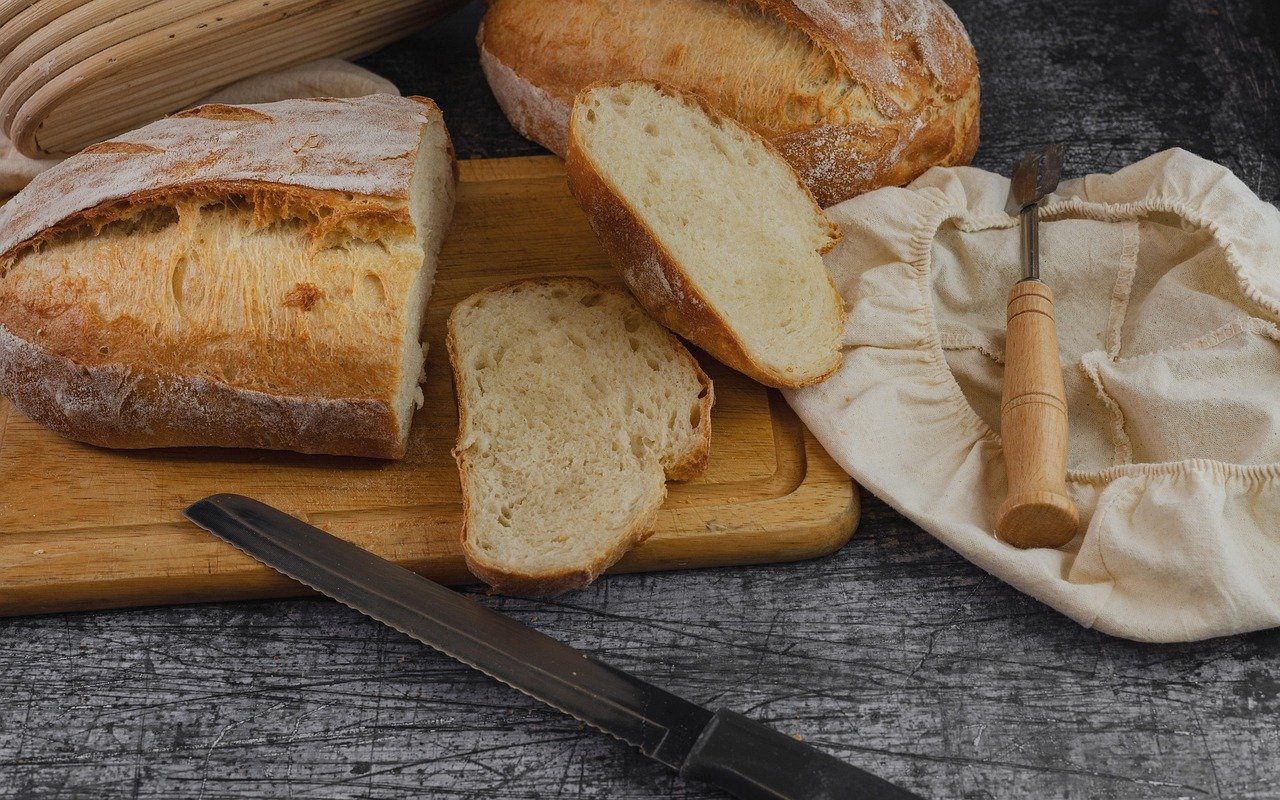
Before serrated blades became commonplace, slicing bread often resulted in squashed or uneven pieces. The bread knife’s long, serrated edge effortlessly cuts through crusty exteriors while preserving the soft crumb inside. This innovation has transformed bread consumption habits, enabling clean, uniform slices that enhance both texture and flavor, whether in artisan bakeries or home kitchens.
5. Fillet Knife: Precision Craftsmanship for Seafood
Essential for seafood aficionados, the fillet knife features a slender, flexible blade designed to glide smoothly along fish bones, allowing for clean, precise fillets without damaging delicate flesh. This specialized tool has elevated seafood preparation standards, empowering both professional chefs and home cooks to master intricate fish dishes with confidence and finesse.
6. Cleaver: The Heavy-Duty Kitchen Workhorse
With its robust, broad blade, the cleaver is a powerhouse in the kitchen, especially prevalent in Asian culinary traditions. Originally crafted for butchering, its weight and design enable chefs to effortlessly chop through bones and dense cuts of meat. This versatile tool has expanded cooking possibilities, encouraging experimentation with diverse proteins and innovative recipes.
7. Utility Knife: The Unsung Hero of Everyday Cooking
Often overlooked, the utility knife bridges the gap between small paring knives and larger chef’s knives. Its medium-sized blade is perfect for a variety of tasks, from slicing cheese to trimming meats. Celebrated for its practicality, the utility knife has become a staple in kitchens worldwide, prized for its adaptability and efficiency in handling everyday culinary chores.
8. Ceramic Knives: Cutting-Edge Material Innovation
Made from advanced zirconia ceramic, these knives offer exceptional sharpness and edge retention far surpassing traditional steel blades. Lightweight and resistant to acids and corrosion, ceramic knives are ideal for slicing fruits and vegetables without imparting metallic tastes. Their introduction has sparked a reevaluation of knife materials, blending technology with culinary needs.
9. Tactical Knives: From Survival Gear to Culinary Utility
Originally designed for survival and outdoor use, tactical knives have found a niche in culinary settings, especially among outdoor chefs and campers. Their rugged construction and multifunctional features make them reliable tools in challenging environments, demonstrating how innovative designs can transcend traditional kitchen boundaries.
10. Tomato Knife: Precision Slicing for Delicate Produce
Featuring a serrated edge and a slender blade, the tomato knife is engineered to effortlessly pierce the delicate skin of tomatoes without crushing the flesh. This specialized tool is indispensable for preparing salads, sauces, and gourmet dishes where presentation and texture are paramount, highlighting the value of purpose-built kitchen instruments.
11. Nakiri Knife: The Vegetable Specialist
The Nakiri, or vegetable knife, boasts a straight, rectangular blade designed for clean, downward chopping motions. Originating from Japan, it enables uniform cuts and intricate vegetable preparation, supporting the growing global emphasis on plant-based cuisine. Its popularity reflects a culinary shift towards precision and artistry in vegetable cookery.
12. Mongolian Cleaver: A Cultural Culinary Icon
Distinct from Western cleavers, the Mongolian cleaver features a broader blade with a subtle curve, allowing it to perform diverse tasks such as slicing meat, chopping vegetables, and even kneading dough. This multifunctional design mirrors the communal cooking traditions of Mongolian culture, illustrating how heritage shapes kitchen tool innovation.
13. Sushi Knife (Yanagiba): The Art of Raw Fish Preparation
The Yanagiba sushi knife is renowned for its long, slender blade and single-bevel edge, crafted specifically for slicing raw fish with razor-sharp precision. This tool embodies the meticulous artistry of Japanese sushi-making, where every cut honors the ingredient’s integrity and elevates the dining experience.
14. Slicing Knife: Enhancing Meat Presentation
Designed for carving large roasts and smoked meats, the slicing knife features a long, narrow blade that enables chefs to produce thin, uniform slices without tearing. This innovation has refined meat presentation, allowing culinary professionals to impress diners visually and gastronomically.
15. Japanese Gyuto Knife: A Cross-Cultural Culinary Fusion
The Gyuto knife merges Western chef’s knife characteristics with Japanese design finesse, featuring a curved blade that balances versatility and elegance. This hybrid has gained popularity among chefs seeking a tool that combines efficiency with refined craftsmanship, symbolizing the globalization of culinary techniques.
16. Upturned Blade: Ergonomic Efficiency in Vegetable Cleavers
Common in certain Chinese vegetable cleavers, the upturned blade design enables chefs to chop and scoop ingredients seamlessly in one fluid motion. This ergonomic innovation enhances productivity, especially when handling large volumes of vegetables, demonstrating how thoughtful design can streamline kitchen workflows.
17. Folding Knife: Compact Convenience for On-the-Go Cooking
Folding knives have become favored by outdoor cooks and those needing portable kitchen tools. Their compact, foldable design allows for easy storage and transport, making them ideal for camping, picnics, and mobile culinary setups. This innovation caters to modern chefs who prioritize both functionality and mobility.
18. Integrated Slicing Board and Knife: Streamlining Food Prep
Combining a slicing board with a knife into a single unit addresses the need for efficiency in busy kitchens. This all-in-one design minimizes tool switching, promotes ergonomic handling, and accelerates meal preparation, exemplifying how innovation can optimize culinary workflows.
19. Modernist Cuisine Knives: Precision Tools for Scientific Cooking
With the rise of modernist cuisine, specialized knives have been developed to support avant-garde techniques like sous-vide and molecular gastronomy. These tools emphasize precision and control, enabling chefs to manipulate textures and flavors scientifically, transforming cooking into a sophisticated blend of art and science.
20. Knuckle Guard Knife: Prioritizing Safety in the Kitchen
Incorporating a protective knuckle guard, this knife design reduces the risk of finger injuries by preventing slips onto the blade. This safety feature is especially beneficial for novice cooks, reflecting a growing trend toward ergonomic and user-friendly kitchen tools that encourage confidence and reduce accidents.
Throughout history, innovative knife designs have continuously reshaped culinary practices by enhancing efficiency, safety, and versatility. These tools represent the perfect marriage of artistry and practicality, ensuring that every dish prepared is a testament to both skill and thoughtful design.