

Understanding the Importance of a Sharp Knife
A sharp knife is one of the most essential tools in any kitchen. It not only enhances food preparation efficiency but also ensures safety. Dull knives require more force to cut through food, increasing the risk of slips and accidental cuts. By maintaining a sharp edge, home cooks can achieve cleaner cuts, reduce food waste, and make the cooking process more enjoyable.
Anatomy of a Knife Edge
Before diving into sharpening techniques, it’s crucial to understand the anatomy of a knife’s edge. The blade consists of several parts:
- Tip: Used for intricate cuts.
- Spine: The top, thicker part that adds strength.
- Edge: The critical cutting surface.
- Heel: The rear part, ideal for cutting through tougher ingredients.
- Belly: The curved surface, allowing smooth rocking motion.
A sharp edge has a refined bevel, while a dull edge appears flat or rounded. Regular maintenance is key to keeping this bevel intact.
Common Knife Sharpening Techniques
Whetting vs. Honing
It’s important to distinguish between honing and sharpening:
- Honing: This process realigns the existing edge of a knife. Traditionally, this is done using a honing steel.
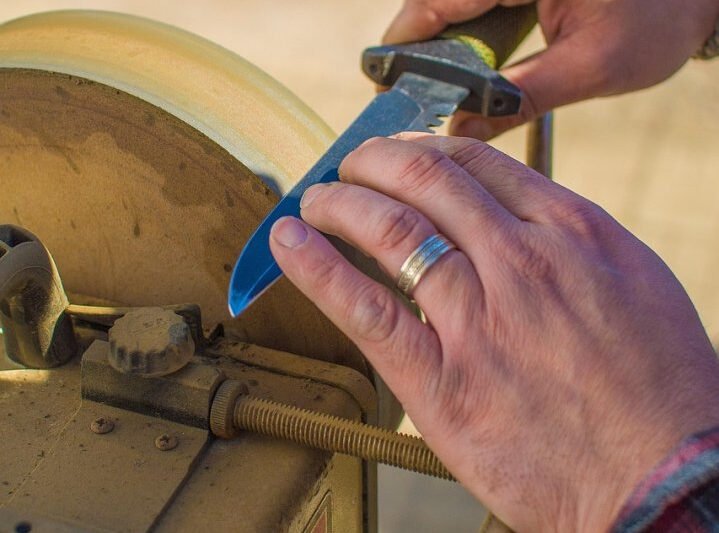
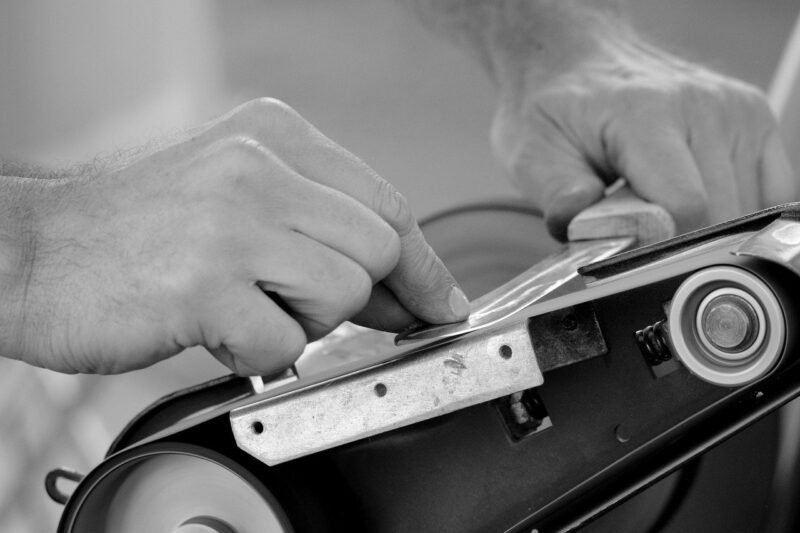
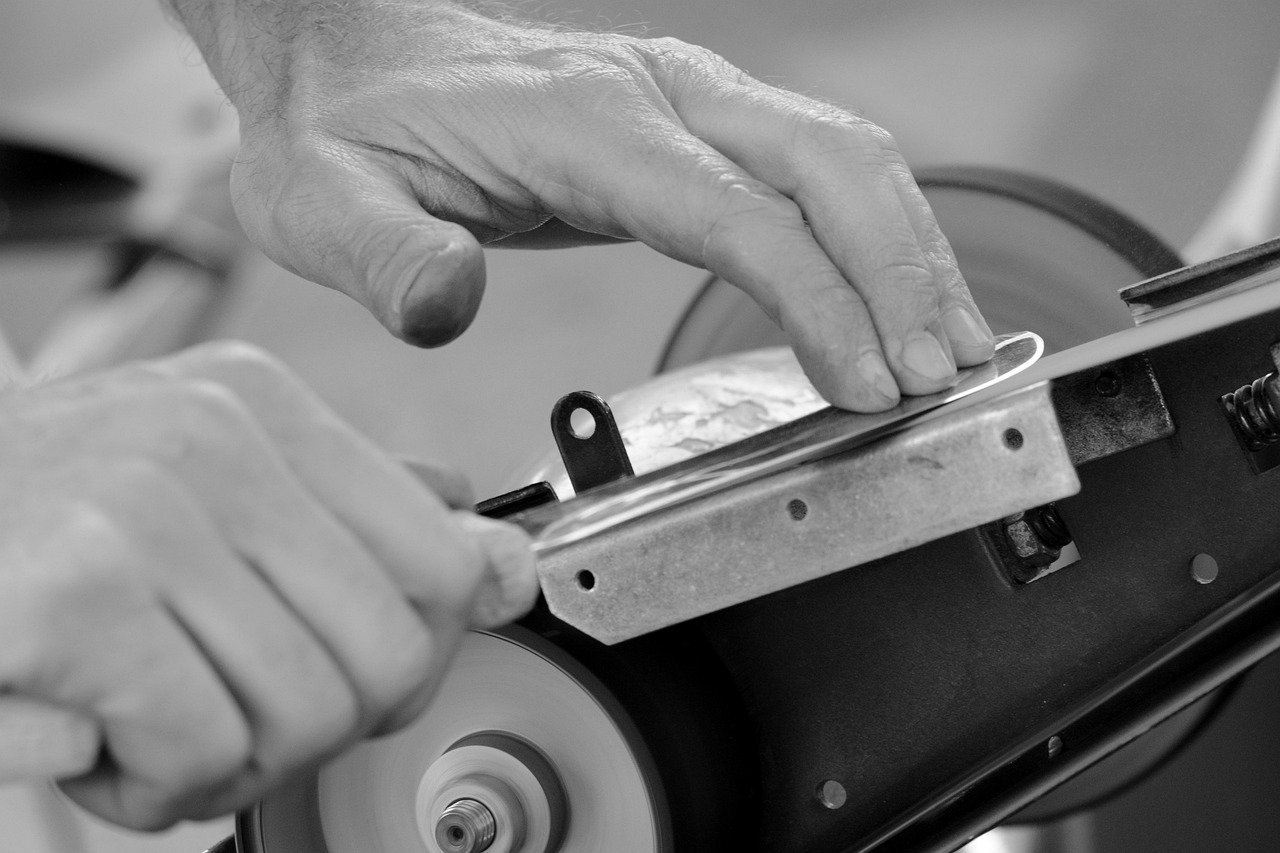
- Sharpening: Involves grinding away material from the blade to create a new edge. This can be accomplished using various tools, such as whetstones, sharpeners, or electric devices.
1. Using a Whetstone
Whetstones are a popular choice for knife sharpening due to their effectiveness. They consist of two sides with differing grits, usually measured from coarse (200-600) to fine (1000-3000+).
Steps to Sharpen with a Whetstone:
- Soak the Stone: If using a water whetstone, soak it in water for about 10-15 minutes.
- Set the Angle: Hold the knife at a 15-20 degree angle against the stone.
- Begin Sharpening: Start from the heel, moving towards the tip. Apply even pressure and maintain the angle throughout the stroke.
- Alternate Sides: Sharpen one side about 5-10 strokes, then switch to the other side.
- Finish with Fine Grit: Switch to the finer side of the stone and repeat the same process.
- Clean the Knife: Rinse your knife and dry it thoroughly to prevent rust.
2. Honing with a Honing Steel
Honing steels are often overlooked, yet they play a critical role in maintenance. They help to realign any edge that may have become misaligned from regular use.
How to Use a Honing Steel:
- Hold the Steel Vertically: Place the honing steel in one hand, and keep it stable.
- Place the Knife: Hold the knife at a 15-20 degree angle against the steel.
- Draw the Knife Down: Glide the blade down the honing steel while applying light pressure. Alternate sides with each stroke.
- Repeat: Aim for about 5-10 strokes on each side.
3. Electric Knife Sharpeners
For those who want a quick and automated solution, electric sharpeners offer convenience without sacrificing quality. These devices usually have built-in guides to help maintain the proper angle.
How to Use Electric Sharpeners:
- Read Instructions: Each model varies, so familiarize yourself with the user manual.
- Insert the Knife: Place the knife in the designated slot, ensuring it aligns with the guide.
- Press the Button: Start the machine and let it work its magic.
- Check Sharpness: Once finished, assess the sharpness by cutting through a piece of paper or vegetable.
4. Manual Pull-Through Sharpeners
For simplicity, manual pull-through sharpeners are an accessible option for beginners. They often consist of two slots with different abrasives.
Steps to Use Manual Sharpeners:
- Position the Sharpener: Place the sharpener on a stable, flat surface.
- Insert the Knife: Position the knife blade in the first slot, applying gentle pressure.
- Pull the Knife Through: Slide the blade through the slot slowly, allowing the abrasive material to sharpen the edge.
- Repeat as Necessary: Usually, 3-5 pulls should suffice for a quick touch-up.
Essential Tips for Maintaining Your Knives
Proper Storage
Store knives properly to avoid dulling. Use magnetic strips, knife blocks, or sheaths to protect the blade edges from accidental bumps and contact with other metal objects.
Regular Maintenance
Establish a routine to sharpen and hone your knives. A good rule of thumb is to hone before each use and sharpen every few months, depending on the frequency of use.
Cleaning Techniques
Always clean your knife immediately after use. Avoid placing them in the dishwasher, as this can lead to nicks and dulling. Hand wash using mild soap and a soft sponge, then dry thoroughly.
Avoid Cutting on Improper Surfaces
Using hard surfaces like glass or stone can significantly dull your knife over time. Opt for wooden or plastic cutting boards to provide a forgiving surface.
Recognizing When a Knife Needs Sharpening
Understanding the signs that indicate a knife needs sharpening can save time and effort. If you notice:
- Difficulty slicing through fruits or vegetables.
- The blade feels dull when cutting.
- You need to apply more force than usual.
A knife is due for sharpening if it fails to cut cleanly.
Safety Measures While Sharpening
Knife sharpening can be hazardous if safety precautions aren’t taken. Follow these guidelines:
- Secure Cutting Surface: Ensure your sharpening surface is stable.
- Keep Fingers Away: Always maintain a safe distance from the slicing edge.
- Use Protective Gear: Consider cuts-resistant gloves for added safety.
Conclusion
Sharpening your knives may seem daunting initially, but with the right techniques and tools, it becomes an easy and rewarding task. A sharp knife is not only more efficient but also enhances your overall culinary experience. By understanding the different sharpening techniques and implementing regular maintenance, every home cook can enjoy the benefits of having sharp, reliable knives in their kitchen arsenal.