



Understanding Yo-deba: The Hidden Gem of Japanese Cuisine
What is Yo-deba?
Yo-deba is a fascinating aspect of Japanese cuisine, often overshadowed by more widely known dishes like sushi and ramen. The term “Yo-deba” refers to a particular style of preparation that signifies a blend of fresh ingredients and traditional cooking methods. The word itself is a combination of “yo,” meaning “night” or “evening,” typically associated with relaxed dining experiences, and “deba,” which relates to a specific type of knife used in fish preparation. This culinary style is a must-try for those looking for authentic Japanese flavors that remain true to their roots.
Historical Background of Yo-deba
The origins of Yo-deba can be traced back to regional provinces in Japan, where fishing was a way of life. Over the years, as trade routes expanded, various local ingredients were incorporated into recipes, creating diverse flavors and styles. In these early communities, Yo-deba represented not only sustenance but also an art form, showcasing the skill of the chefs and the freshness of the ingredients.
The Ingredients of Yo-deba
Yo-deba is characterized by its reliance on high-quality, seasonal ingredients. Common elements include:
Fish: As a coastal nation, Japan boasts an array of fish varieties, each with unique flavors and textures. For example, tuna, mackerel, and salmon are frequently used, often prepared using the Yo-deba method to enhance their natural taste.
Vegetables: Fresh, seasonal vegetables play a crucial role in Yo-deba meals. Common choices include daikon radish, shiso leaves, and seasonal greens that add both color and nutrition.
Rice: In Japanese cuisine, rice often serves as the backbone of meals. In the context of Yo-deba, rice prepared using traditional methods complements the expertly crafted fish dishes.
Sauces: Soy sauce, miso, and other fermented products are essential for flavoring the dishes. These sauces are often homemade, lending authenticity and uniqueness to each meal.
Cooking Techniques in Yo-deba
Yo-deba emphasizes skillful preparation that showcases the ingredients without overwhelming them. Key techniques include:
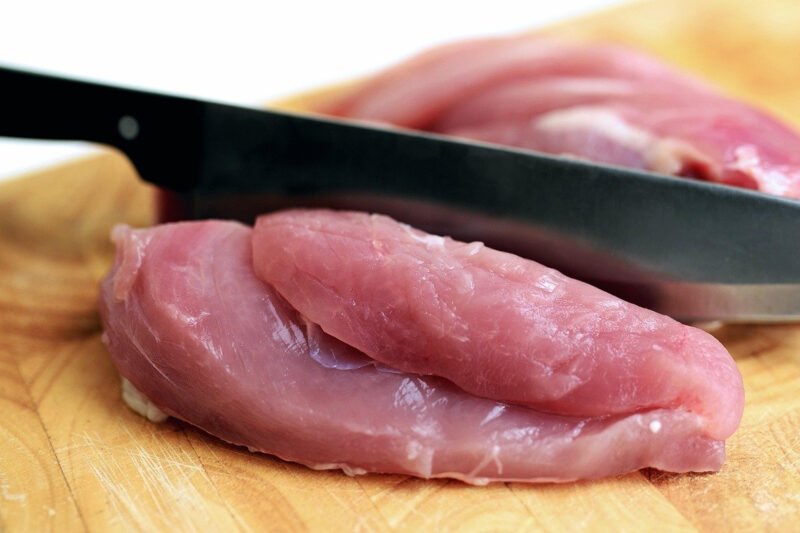
Slicing: Utilizing the deba knife, chefs masterfully slice fish with precision. The knife’s unique design allows for clean cuts, essential for presenting the ingredient beautifully.
Marination: Various marinades infuse fish with complex flavors. Common flavoring agents include sake, mirin, and different regional salts, allowing for creativity while respecting the dish’s traditional essence.
Grilling and Searing: A hallmark of Yo-deba is the skillful use of heat to bring out the flavors of the fish. Techniques like charcoal grilling or lightly searing enhance the dish’s smoky undertones while maintaining moisture within the fish.
Popular Dishes in Yo-deba Cuisine
Yo-deba cuisine includes a variety of dishes that capture Japan’s intricate flavors. Here are some exemplary dishes to explore:
1. Sashimi
Sashimi is more than just raw fish; it’s an artful display of skill and freshness. Yo-deba sashimi is renowned for its meticulous preparation, where each slice of fish is crafted to optimize flavor. Chefs often accompany sashimi with wasabi and dipping sauces, allowing diners to customize their taste experience.
2. Grilled Fish (Yaki Sakana)
The grilling process in Yo-deba involves marinating fresh fish and grilling it over hot coals. The result is a smoky, savory exterior that complements the tender meat within, presenting a delightful contrast in textures.
3. Rice Bowl (Donburi)
Yo-deba rice bowls feature an expertly crafted base of rice topped with seasonal ingredients. These bowls can include varieties like unagi don (grilled eel) or chirashi (scattered sushi), showcasing the harmony between rice and other components.
The Cultural Significance of Yo-deba
One of the defining features of Yo-deba is its connection to Japanese culture and communal dining practices. Mealtime is often regarded as a social activity where families and friends gather to share traditional dishes. The ethos behind Yo-deba acceptance emphasizes seasonal ingredients and the care that goes into preparation, showcasing a respect for nature and food sources.
Yo-deba versus Other Japanese Cuisines
While Yo-deba shines within the realm of traditional Japanese food, it serves as a fascinating contrast to other well-known styles like kaiseki and izakaya. Kaiseki emphasizes a multi-course meal centered around seasonal ingredients, operating under a strict formal structure. On the other hand, izakaya provides a more casual atmosphere with a focus on sharing, often with a larger variety of quick-pair dishes. Yo-deba stands out for its deep respect for ingredient clarity, simplicity, and the skill in preparation.
Finding Yo-deba Restaurants
For those wishing to experience this hidden gem, discovering Yo-deba restaurants can be an adventure. Regions in Japan such as Kanazawa and Hakodate are known for their fresh catches and adherence to Yo-deba cooking methods. In international cities with a significant Japanese presence—such as Los Angeles, New York, and London—many restaurants are beginning to introduce this style of cuisine.
Tips for Preparing Yo-deba at Home
If you are excited about trying your hand at Yo-deba cuisine, consider the following tips:
Invest in Quality Tools: A high-quality deba knife is invaluable in achieving the fine cuts required in Yo-deba. Selecting the right tools helps make preparation easier and more enjoyable.
Source Fresh Ingredients: Whether fish or vegetables, sourcing the freshest ingredients directly from markets or specialty stores enriches the quality of the dish.
Experiment with Flavors: After mastering the basics, do not hesitate to experiment with various marinades and sauces. This personal touch can elevate your dishes.
Practice Patience: The skillful preparation and cooking techniques take time and practice. Improvements in your craft will come with dedication.
Conclusion: Embrace Yo-deba
While Yo-deba may still be a lesser-known culinary art in Japan, it embodies the essence of Japanese cooking: simplicity, freshness, and respect for the ingredients. The experience of dining on Yo-deba dishes is not just about consumption; it’s a celebration of culture, technique, and seasonal bounty. By exploring and embracing this hidden gem, you open yourself to the simpler pleasures that Japanese cuisine offers.