


Understanding Different Types of Blade Sharpeners: A Complete Overview
1. Manual Blade Sharpeners
1.1. Whetstones
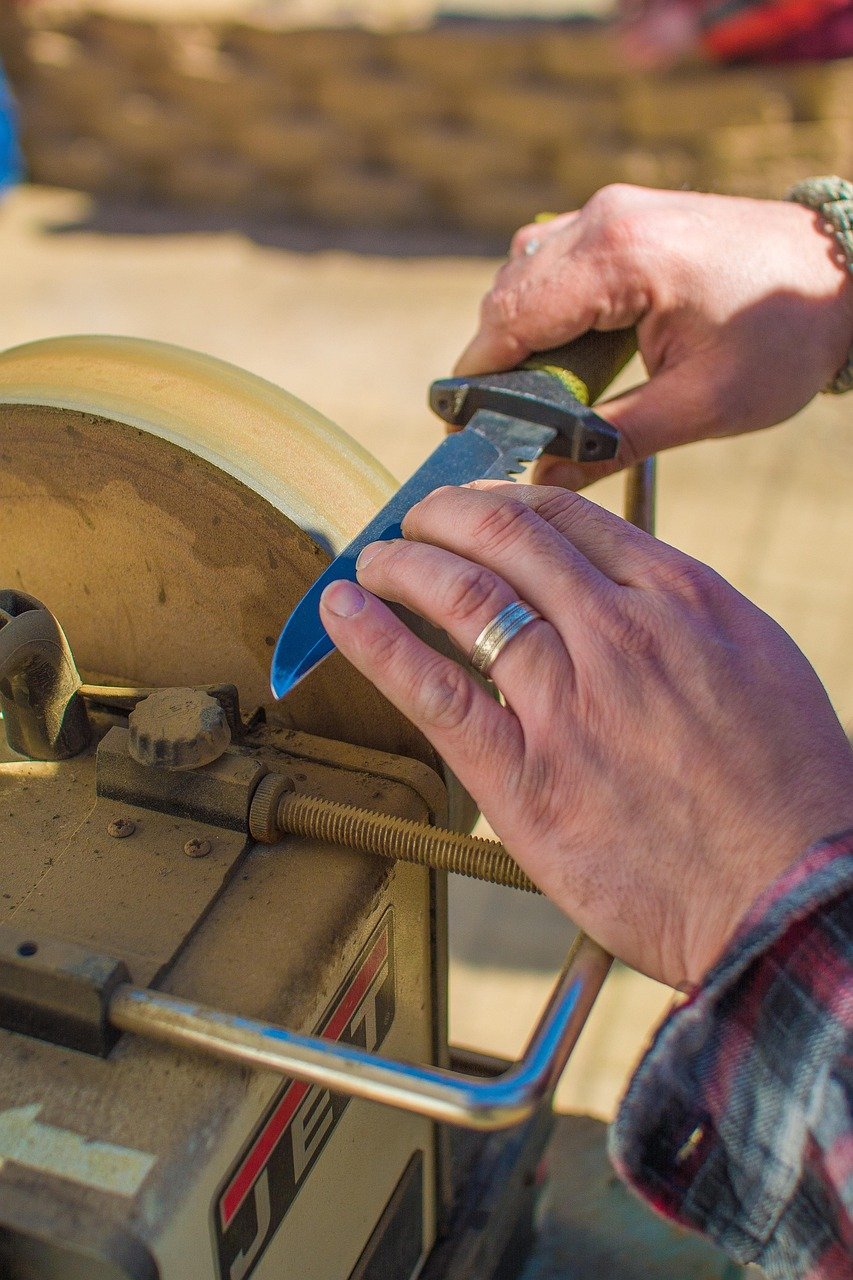
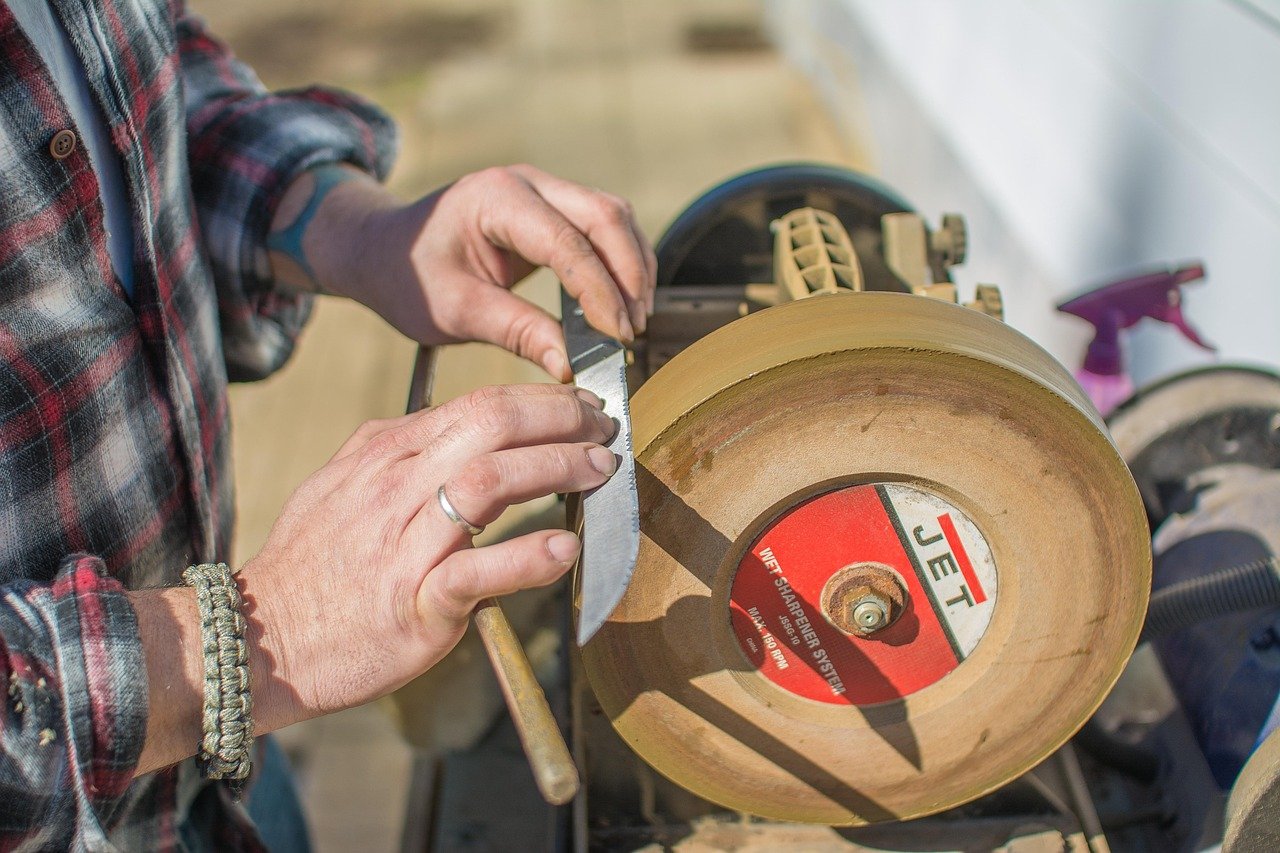
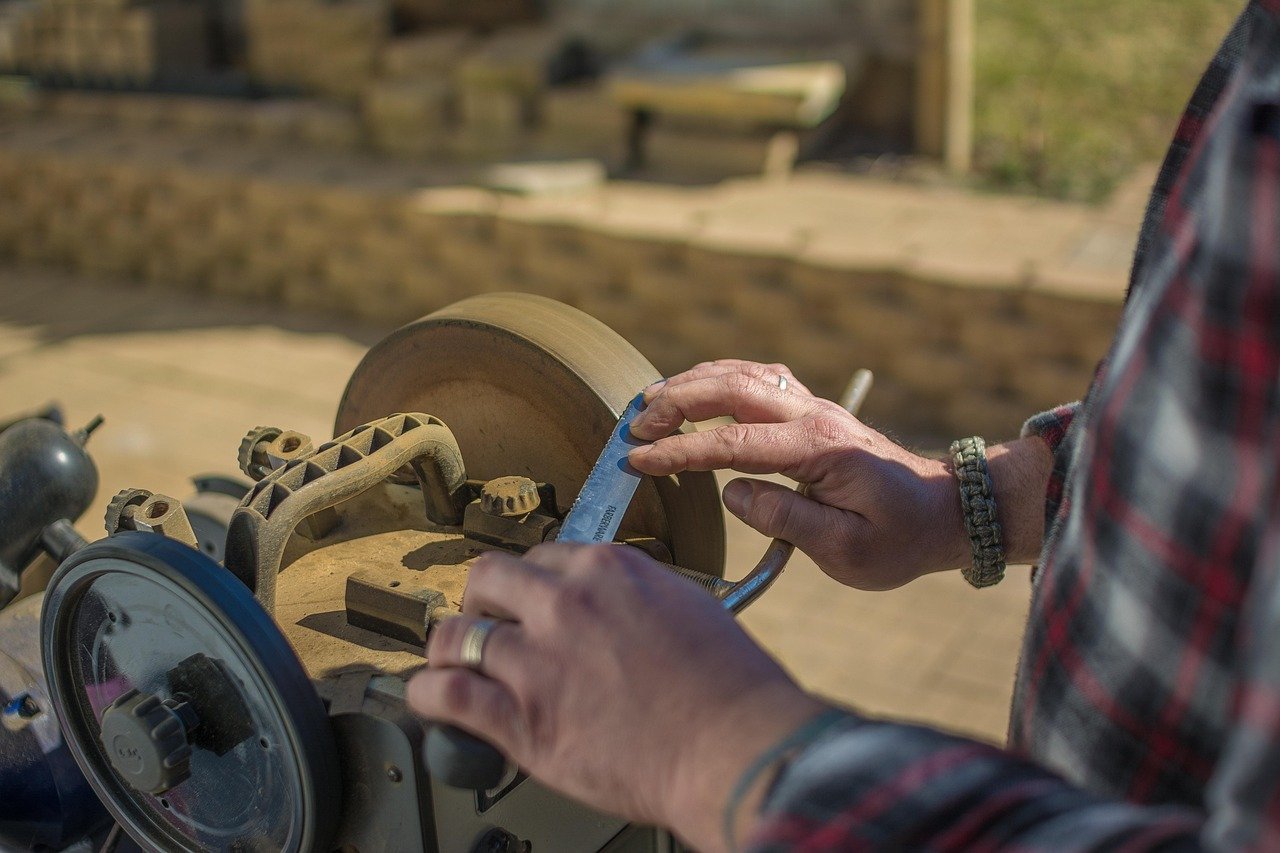
Whetstones, or sharpening stones, are traditional tools favored by many professional chefs and knife enthusiasts. Made from natural or synthetic materials, they come in various grits to accommodate different sharpening needs.
- Usage: Users angle the blade against the stone, typically at 15 to 20 degrees, and slide it across the surface in a controlled manner.
- Material Types: Common materials include aluminum oxide, silicon carbide, and ceramic.
- Benefits: This method allows for precise control, creating a fine edge suitable for high-quality knives. Whetstones are also versatile, capable of sharpening various blade types, from kitchen knives to pocket knives.
1.2. Oil Stones
Similar to whetstones, oil stones require lubricant (oil) for sharpening. They offer a smooth surface and can be made from natural stones or synthetic materials.
- Usage: Apply oil to the surface, and drag the blade across the stone while maintaining a consistent angle.
- Benefits: Oil stones provide a slightly different texture that some users prefer, resulting in a sharper edge with less effort.
1.3. Ceramic Rods
Ceramic rods are designed for honing blades rather than grinding or sharpening. They help realign the edge of a blade that has become misaligned with use.
- Usage: Hold the rod vertically and drag the blade down from the top to the handle, maintaining the correct angle.
- Benefits: Ideal for quick touch-ups, ceramic rods are portable and easy to use, making them a popular choice for everyday maintenance.
2. Electric Blade Sharpeners
2.1. Electric Knife Sharpeners
Electric knife sharpeners provide a fast, convenient way to maintain blades without the manual labor involved in traditional sharpening methods.
- Usage: Simply insert the blade into the designated slot and press the button to start the sharpening process.
- Features: Many electric sharpeners offer multiple stages of sharpening, honing, and polishing, automating the entire process.
- Benefits: Electric sharpeners are ideal for those who prioritize efficiency and ease of use. They are particularly useful for beginner cooks or home chefs who may not have sharpening skills.
2.2. Professional Electric Sharpeners
These advanced devices cater to professional environments and offer precision sharpening for a variety of blade types and sizes.
- Usage: Users place the blade in a specialized holder that ensures the correct angle for sharpening.
- Features: Often equipped with diamond abrasives and multiple sharpening stages, they provide unparalleled results.
- Benefits: Professional electric sharpeners save time and effort while delivering consistent and high-quality sharpening results.
3. Pull-Through Sharpeners
3.1. Manual Pull-Through Sharpeners
Designed for those who prefer simplicity, manual pull-through sharpeners consist of a handle and a slot where the blade is drawn through.
- Usage: Place the sharpener on a flat surface, insert the blade, and pull it through at a consistent speed.
- Types: Typically feature two to three slots with different abrasives for coarse grinding and fine honing.
- Benefits: Easy to use, pull-through sharpeners are portable and often very affordable. They are excellent for quick touch-ups, making them a popular choice among casual cooks.
3.2. Electric Pull-Through Sharpeners
Offering the same action as manual versions but with an electric motor, these sharpeners simplify the sharpening process further.
- Usage: Similar to manual models, users just pull the blade through the slot with the electric mechanism doing the hard work.
- Benefits: They provide a quick and effective sharpening solution, particularly beneficial for users who may lack the technique for manual sharpening.
4. Guided Knife Sharpeners
Guided knife sharpeners come equipped with a system to maintain the correct sharpening angle, making them a dependable choice for novices and professionals alike.
- Usage: The blade is clamped, and a sharpening rod is moved along the blade’s edge.
- Benefits: These sharpeners take the guesswork out of maintaining angles, ensuring that blades receive optimal sharpening every time.
5. Specialized Blade Sharpeners
5.1. Scissor Sharpeners
Scissor sharpeners are specifically designed for sharpening scissors and shears. They often come in either manual or electric forms.
- Usage: Typically feature a groove that matches the shape of the scissor blade, making it easier to achieve a sharp edge.
- Benefits: Targeted for scissors ensures proper alignment and cutting efficiency, critical in industries like tailoring and hairdressing.
5.2. Specialty Knife Sharpeners
Specialty sharpeners cater to specific types of knives, including serrated, ceramic, and pocket knives.
- Usage: Many use a unique design to accommodate different blade shapes and edges.
- Benefits: Ensures that unique knife types are sharpened adequately, preserving their specialized cutting abilities.
6. Choosing the Right Blade Sharpener
When selecting a blade sharpener, consider the following factors:
- Blade Type: Ensure compatibility with your specific knife or tool.
- Skill Level: Match the sharpener to your comfort and experience with sharpening techniques.
- Portability: For those who value convenience, compact options may be more suitable.
- Budget: Price points vary widely; choose one that offers the best balance of quality and value.
Understanding the nuances of each type of blade sharpener can vastly improve your knife’s performance and longevity. With the right sharpener, you can maintain a sharp edge, enhancing both safety and efficiency in the kitchen or workshop.