


Understanding Japanese Boning Knives
Japanese boning knives, known for their precise craftsmanship and superb performance, are essential tools for culinary professionals and cooking enthusiasts alike. These knives typically have a single-bevel edge that allows for precise cuts and control while deboning and filleting meat and fish. Their unique features distinguish them significantly from Western boning knives, providing users with enhanced efficacy and satisfaction during food preparation.
Key Features of Japanese Boning Knives
Blade Shape and Design
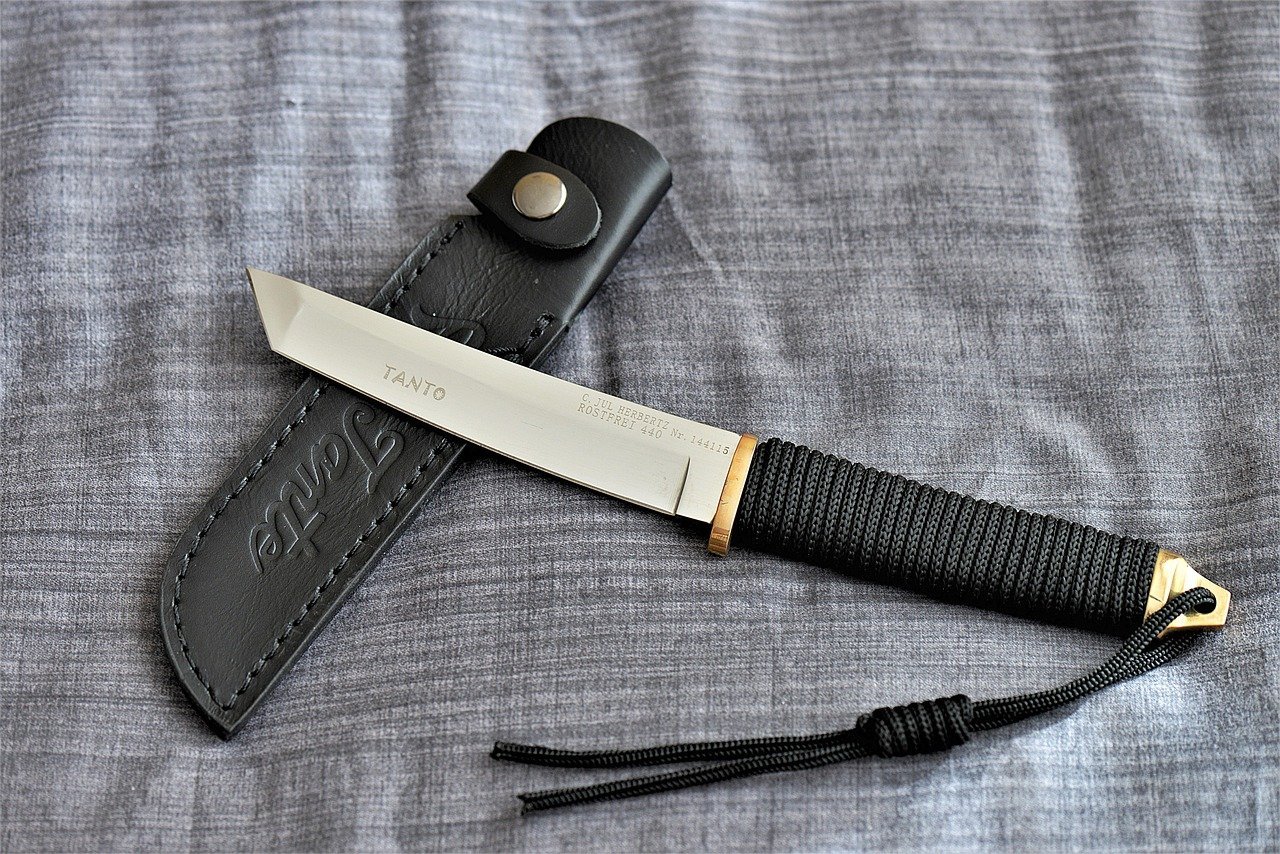
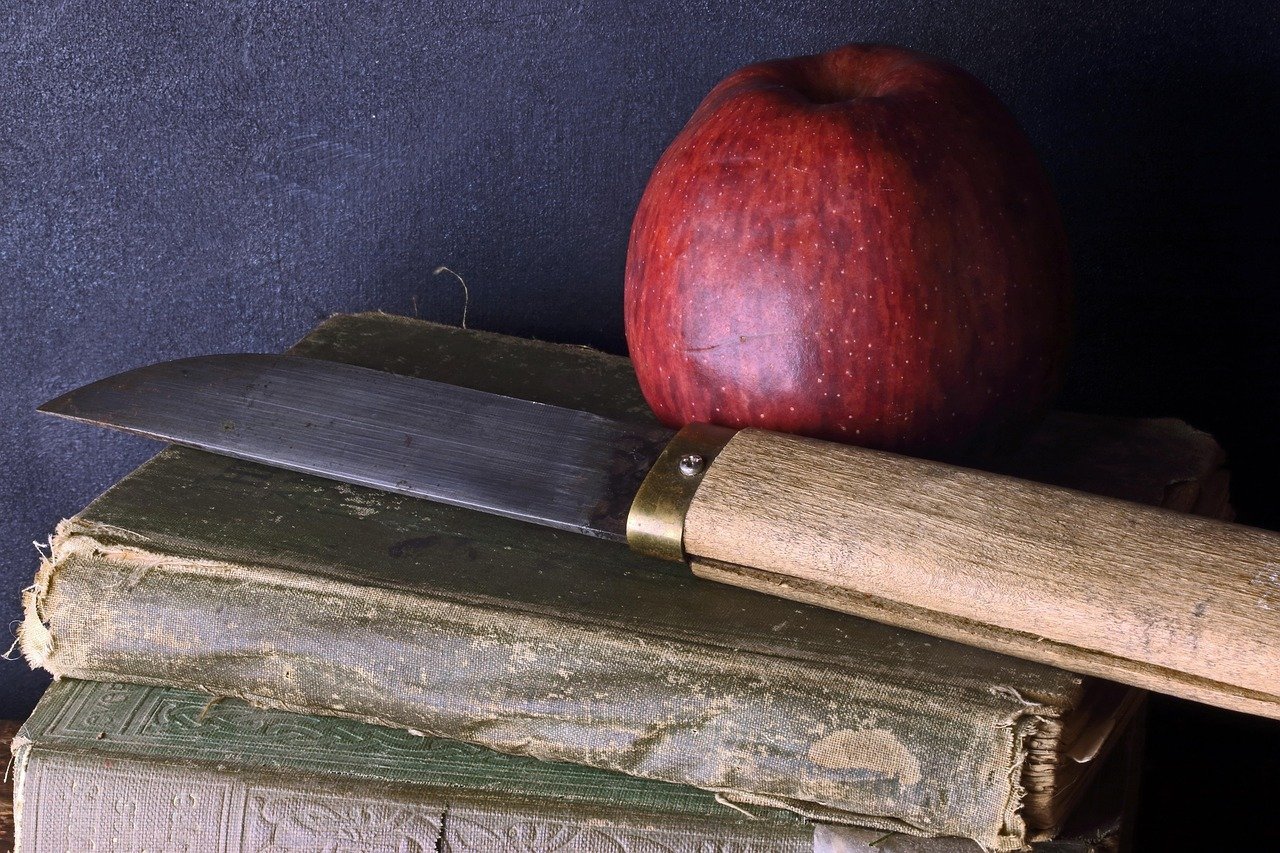
Japanese boning knives feature a distinct blade shape, often characterized by a narrow and tapered profile. This design allows for increased maneuverability, making it easier to navigate around bones and joints. The blade length typically ranges from 5 to 7 inches, providing the right balance between control and cutting power.
Material
The materials used in crafting Japanese boning knives significantly impact their durability and performance. High-carbon stainless steel is commonly used for the blade, delivering excellent edge retention, corrosion resistance, and the ability to be sharpened to a razor-sharp point. Additionally, some craftsmen use traditional materials like Shirogami (white paper steel) or Aogami (blue paper steel) for their superior hardness and edge retention.
Edge Bevel
One of the standout features of Japanese knives is the blade’s edge bevel. Many Japanese boning knives utilize a single bevel, which means the blade is sharpened on one side, creating an acute cutting edge. This design results in smoother cuts and greater precision when filleting fish or deboning meat. The blade’s angle can vary but often falls between 15-20 degrees, allowing for sharpness without compromising durability.
Handle Design
The handle of a Japanese boning knife is traditionally designed for comfort and functionality. Made from materials such as magnolia wood, rosewood, or synthetic compounds, the handle often features an octagonal or D-shaped design. This ergonomic shape provides a secure and comfortable grip, allowing for prolonged use without strain. The balance between the handle and blade is crucial for control and efficiency during intricate cuts.
Tsukuri (Craftsmanship)
The craftsmanship, or “tsukuri,” is vital in the production of Japanese boning knives. Many notable brands still employ traditional forging methods to create their knives. The process often involves folding layers of steel multiple times, which enhances the blade’s strength and aesthetics. This artisanal approach not only adds to the performance of the knife but also imbues it with unique characteristics, making each piece a work of art.
Weight and Balance
Weight distribution plays a significant role in the performance of a boning knife. Japanese knives tend to be lighter than their Western counterparts, enabling faster, more agile cuts. The balance point typically lies closer to the blade, providing greater maneuverability. This weight and balance combination allows for a more fluid cutting motion, reducing the risk of fatigue.
Versatility
While primarily designed for deboning, many Japanese boning knives are versatile enough to handle various tasks, such as filleting fish, trimming fat, or even slicing fruits and vegetables. Their precision and control enable chefs to achieve clean cuts and maintain textural integrity across different ingredients.
Care and Maintenance
Proper care and maintenance are crucial for the longevity of a Japanese boning knife. After each use, the knife should be hand-washed and dried immediately to prevent corrosion. It’s recommended to use a honing steel regularly to maintain the edge between sharpening sessions. For deeper sharpening, a whetstone is the preferred method, as this allows for more control and precision in restoring the blade’s original edge.
Sharpness Retention
One of the most significant advantages of Japanese boning knives is their ability to hold an edge longer than many Western knives. The high-carbon steel used in many traditional Japanese knives retains its sharpness even with regular use, reducing the frequency of sharpening. This feature is particularly beneficial in high-volume kitchen environments where efficiency is paramount.
Popular Brands of Japanese Boning Knives
Masamoto
Renowned for its exceptional craftsmanship, Masamoto is one of Japan’s most prestigious knife manufacturers. Their boning knives are celebrated for their high-quality materials and exquisite aesthetics. Offering a range of sizes and styles, Masamoto knives cater to various culinary needs, making them a favorite among professional chefs.
Shun
Shun knives are famous for their blend of traditional craftsmanship and modern technology. Their boning knives often feature beautiful Damascus-patterned blades, providing both strength and visual appeal. Shun’s ergonomic handles are designed for comfort and control, making them ideal for prolonged use.
Miyabi
Miyabi combines German and Japanese knife-making traditions, resulting in beautifully designed and functional knives. Their boning knives are well-regarded for their precision cutting and elegant aesthetics. Miyabi achieves this by employing advanced manufacturing techniques while honoring traditional craftsmanship.
Tojiro
Tojiro is known for producing high-quality knives without the premium price tag. They offer a variety of boning knives that are appreciated for their sharpness and excellent balance. The brand is popular among both professional and home cooks looking for reliable performance at an accessible price.
Yoshihiro
Yoshihiro knives are handcrafted by skilled artisans, ensuring each blade’s quality and performance. The brand offers a diverse selection of boning knives, employing high-grade materials for exceptional sharpness and longevity. Yoshihiro’s unique blend of aesthetic and function makes their knives a popular choice among culinary aficionados.
Choosing the Right Japanese Boning Knife
When selecting a Japanese boning knife, consider factors such as the blade length, material, and intended use. A longer blade may be beneficial for larger cuts of meat, while a shorter blade provides better control for intricate tasks. Additionally, assess the handle’s shape and feel in your hand, ensuring it feels comfortable and allows for precise cuts.
For beginners, consider starting with a versatile model that can handle various tasks while you gain confidence in your technique. As you become more experienced, investing in specialized knives tailored to specific functions may enhance your culinary skills even further.
Conclusion
Japanese boning knives are a testament to the art of Japanese craftsmanship, embodying precision, functionality, and beauty. Their unique features, such as the single bevel, high-quality materials, and ergonomic design, make them indispensable tools in any kitchen. Whether you are a professional chef or an aspiring cook, understanding the intricacies and advantages of Japanese boning knives can elevate your culinary experience.