

Understanding Lockback Knives
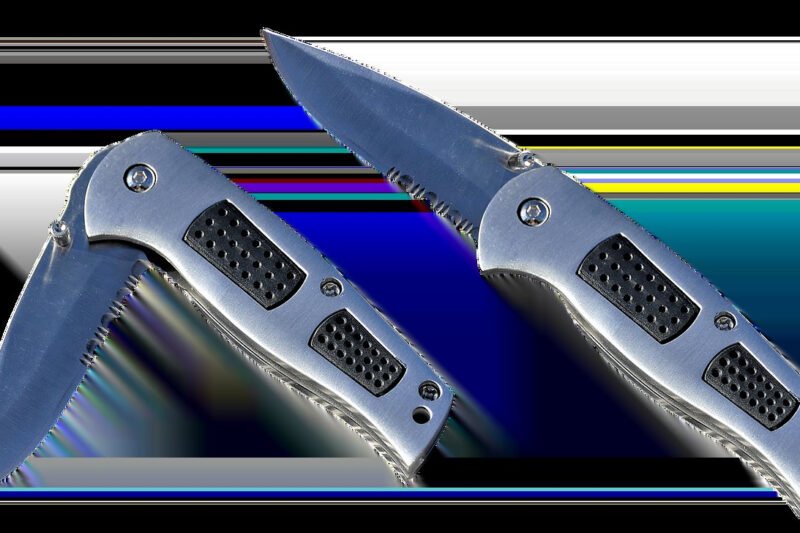
Lockback knives are a popular choice for many outdoor enthusiasts, campers, and everyday users. Distinct for their mechanism, they offer a reliable blade that locks into place when opened and can be easily released for folding. To select the right lockback knife, it’s essential to consider various factors including design, blade material, handle comfort, and intended use.
Blade Material
The choice of blade material is crucial as it directly impacts performance, durability, and maintenance. Common materials used in lockback knives include stainless steel, carbon steel, and composite alloys.
Stainless Steel: This material is resistant to corrosion and stain, making it ideal for environments like kitchens or maritime settings. Look for high-carbon variants like 440C or S30V for better edge retention and durability.
Carbon Steel: Known for its exceptional sharpness, carbon steel can hold an edge longer than stainless. However, it requires more maintenance to prevent rusting. If you are willing to regularly oil and care for the blade, carbon steel could be the right choice.
Composite Alloys: These modern materials combine the benefits of stainless and carbon steel, offering a balance of sharpness, durability, and easier maintenance. They may include elements like vanadium or molybdenum for enhanced performance.
Blade Size and Shape
Blade size and shape are integral in determining how you will use your lockback knife. Consider the following:
Length: Lockback knives typically range from 2 to 4 inches. A blade of 3 inches is versatile for everyday tasks, while smaller blades are more discreet and suitable for pocket carry. Longer blades can tackle heavier-duty tasks but may lose portability.
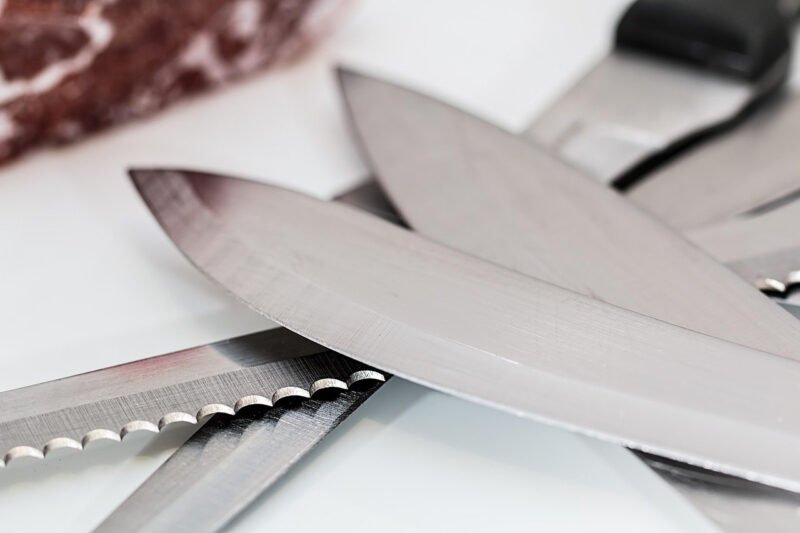
Shape: The blade shape can significantly affect functionality. Common shapes include drop point, spear point, and clip point. Drop point blades are ideal for utility and slicing, while clip point designs are great for detail work and piercing.
Handle Material and Ergonomics
Comfort and grip are vital for safety and efficiency, especially during extended use. Different handle materials offer various feels and durability.
Material Types:
- Plastic and Nylon: Generally lightweight and often textured for better grip. They can withstand moisture, making them suitable for wet environments.
- Wood: Provides a classic aesthetic and feels warm in hand. However, wood can be prone to water damage if not properly treated.
- Metal: Aluminum or titanium handles are sturdy and can withstand tough conditions. They often add weight but can be shaped for ergonomics.
Ergonomics: Choose a handle that fits comfortably in your hand. Look out for contours or grips that prevent slippage during use. A handle with an integrated finger guard can enhance control.
Locking Mechanism
While the lockback mechanism is reliable, variations exist in terms of functionality. Understanding different locking methods fosters informed decisions.
Classic Lockback: Engages a tang running through the handle, providing a sturdy, straightforward locking mechanism. It is favored for reliability, especially under forceful tasks.
Reversible Lockback: This variant allows the user to switch the locking side, accommodating both left- and right-handed users. If you’re left-handed, it’s beneficial to check if the knife offers this feature.
Weight and Portability
For those using lockback knives in outdoor activities, weight can be an important factor.
Lightweight Knives: A lightweight knife is easier to carry during hikes or when engaged in other activities where bulkiness may be cumbersome.
Balanced Weight: While lightweight may be preferable, ensure that the knife feels balanced in hand. A well-balanced knife enhances control and reduces fatigue during prolonged use.
Price and Brand Reputation
Lockback knives vary widely in price, from affordable options to high-end models. Invest in a knife that balances quality and budget, starting from reputable brands known for durability and customer service.
- Brands to Consider: Look into established knife manufacturers such as Buck Knives, Spyderco, Benchmade, and Kershaw. Research customer feedback and warranty policies to gauge brand reliability.
Intended Use
Identifying the primary function of your lockback knife is key to ensuring its suitability.
Everyday Carry (EDC): If you seek a compact, versatile option, choose a knife with a modest blade size and ergonomic handle.
Hunting or Camping: Larger blades or models with specific features (like gut hooks or sawbacks) may be beneficial. Select a knife designed to handle tougher outdoor tasks without risking damage.
Bushcraft and Survival: Heavier, more robust blades with ergonomic handles and solid locking mechanisms might be necessary for survival situations. Look for materials that can withstand harsh environments.
Maintenance Needs
Every knife will require some maintenance to ensure longevity. Familiarize yourself with the upkeep needs based on blade and handle materials.
Stainless Steel Maintenance: This generally requires less attention. Regular cleaning and occasional sharpening should suffice.
Carbon Steel Maintenance: Requires regular oiling to maintain its integrity, especially in humid or wet conditions to prevent rust.
Handle Maintenance: Keep handles clean and dry. For wooden handles, consider applying mineral oil for protection.
Research and Reviews
Always conduct thorough research before purchasing a lockback knife. Online reviews and forums can provide insights into user experiences, performance, and durability. Additionally, consider your local knife laws to ensure compliance with regulations regarding blade length and locking mechanisms.
Test Before Purchase
If possible, visit a local store to physically handle potential knives. Testing the knife’s ergonomics, blade lock, and overall feel can help ascertain the right fit for your hand and intended use.
Final Considerations
Ultimately, picking the right lockback knife entails considering various factors tailored to your specific needs. Evaluate the quality of materials, weigh the importance of portability against utility, engage in thorough research, and test personally when feasible. Making an informed decision will not only enhance your multi-functional tool experience but will also embody reliability and performance in your endeavors.