

Understanding Blade Sharpening
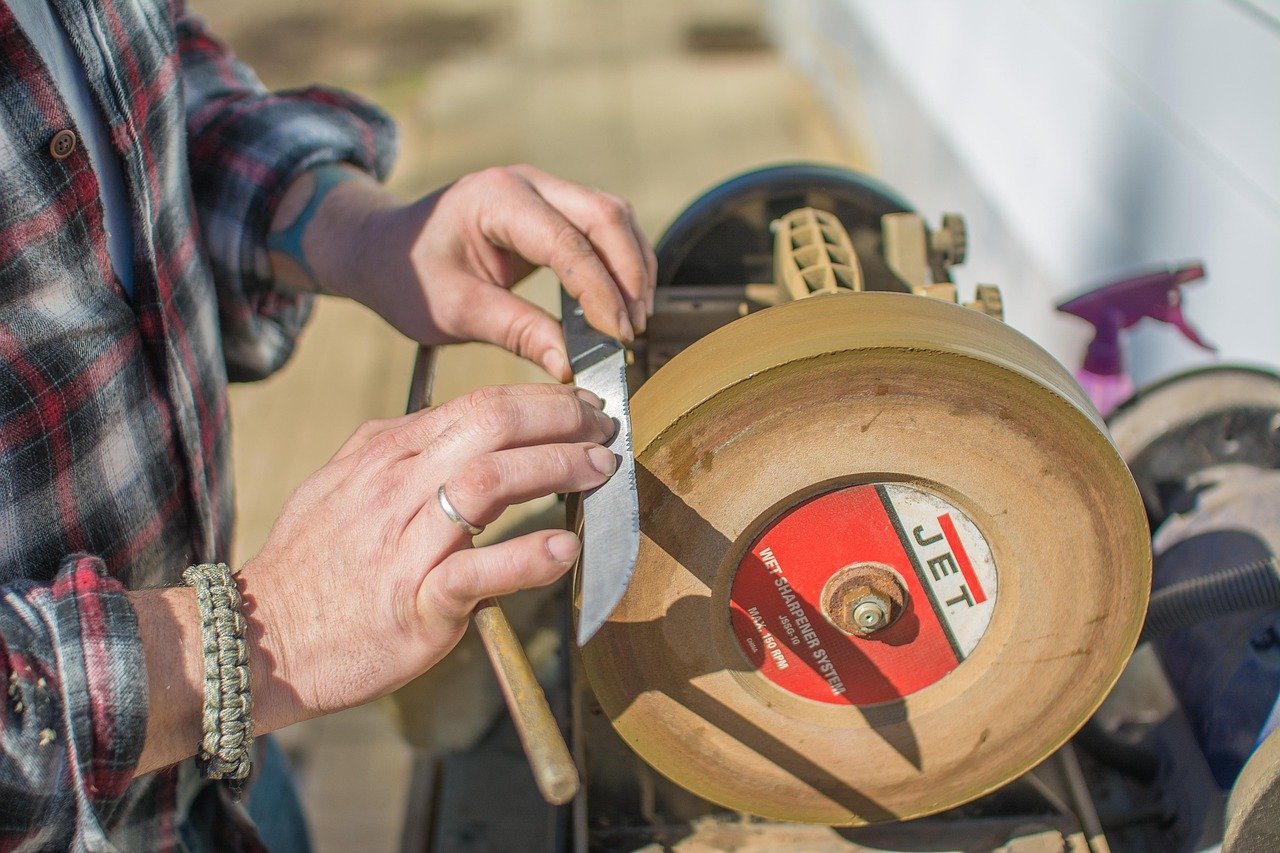
Blade sharpeners play a crucial role in maintaining the performance of your knives, whether kitchen, pocket, or specialty blades. A well-sharpened blade is key to precision cutting, safety, and extending the lifespan of the tool. This buying guide will help you navigate the various types of blade sharpeners available in the market, their features, and what to consider before making a purchase.
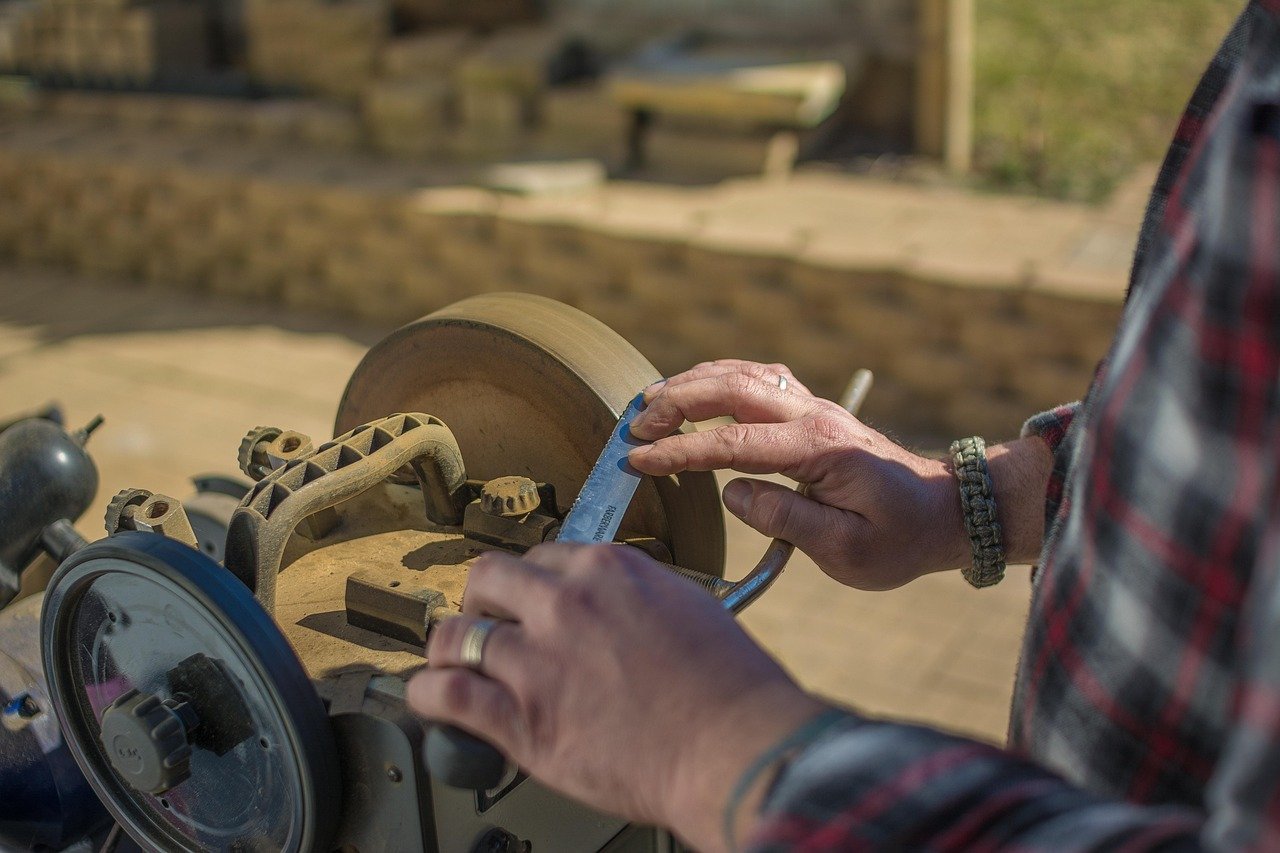
Types of Blade Sharpeners
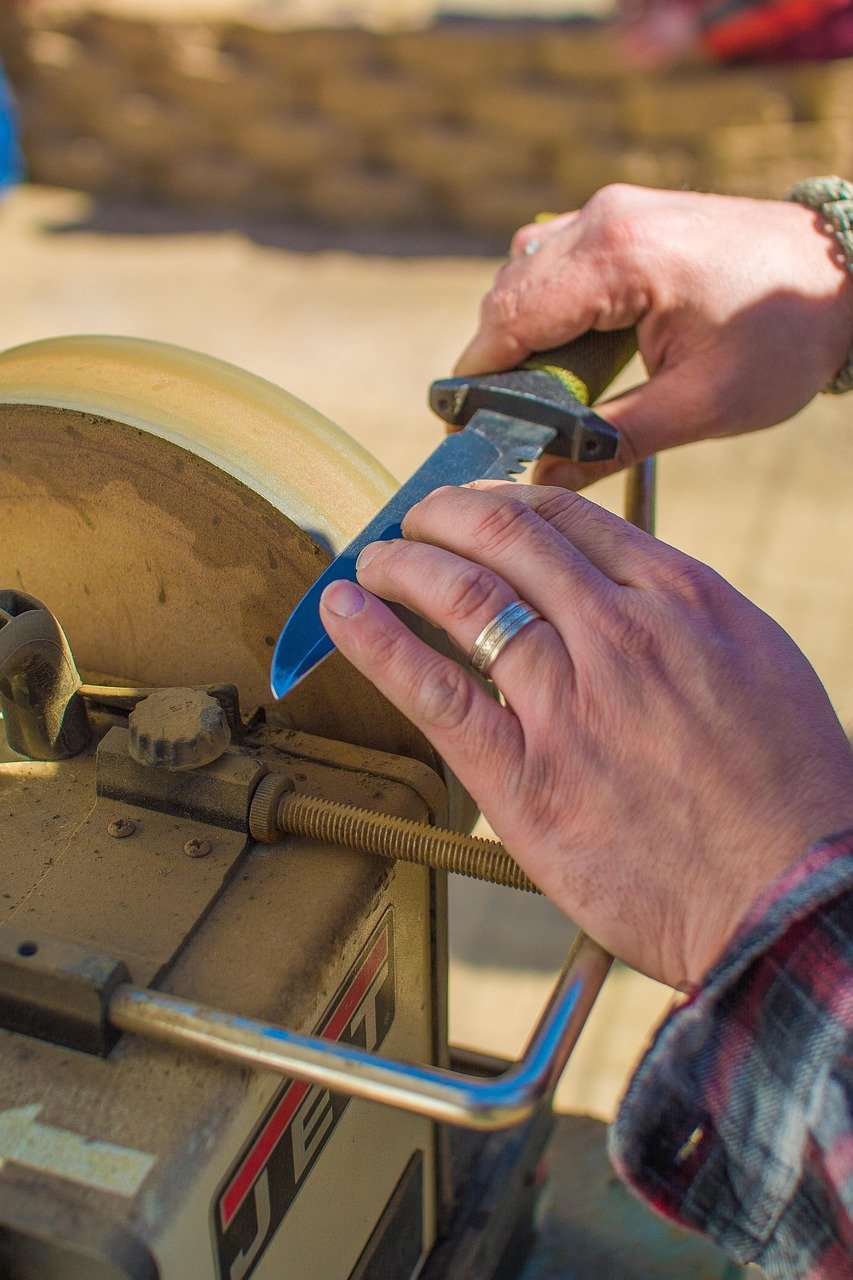
1. Manual Sharpeners
Manual sharpeners often come in the form of whetstones or guided systems. They require more skill but offer greater control over the sharpening process. Here are notable subtypes:
Whetstones: These are rectangular stones that require water or oil for lubrication. They come in various grits, allowing for coarse sharpening to fine honing.
Honing Rods: Typically used in kitchens, honing rods realign the edge of the blade rather than sharpening it. They are best for routine maintenance.
2. Electric Sharpeners
Electric sharpeners are convenient, easy to use, and often faster than manual options. They come with built-in motors and multiple sharpening stages:
Two-stage Electric Sharpeners: These sharpeners often have a coarse stage for grinding and a fine stage for honing.
Multi-Purpose Electric Sharpeners: Some units can sharpen various types of blades, from straight-edge to serrated knives.
3. Pocket Sharpeners
Designed for portability, pocket sharpeners are compact and easy to carry. They’re an excellent choice for outdoor enthusiasts or those on the go. Features can include:
Tungsten Carbide Blades: These provide quick sharpening in a compact form.
Integrated Designs: Some pocket sharpeners combine carabiners or belt clips for added convenience.
Key Features to Consider
1. Sharpening Material
The material used in the sharpening mechanism significantly affects durability and effectiveness:
Diamond Coated: Long-lasting and efficient for various blade types.
Ceramic: Offers a fine finish but may take longer for significant restorations.
Steel: Common for honing but less effective for full sharpening tasks.
2. Grit Levels
The grit level (finishing roughness) determines the sharpness achieved:
Coarse (120-600 grit): Ideal for restoring a dull blade or shaping the edge.
Medium (600-1000 grit): Useful for maintaining an already sharp blade.
Fine (1000+ grit): Used for polishing and finishing edges to a razor-sharp condition.
3. Ease of Use
User-friendliness is essential, especially for those new to knife sharpening:
Guided Systems: These offer angle guides that help maintain consistent sharpening angles.
Ergonomic Designs: Look for sharpeners with comfortable grips, as this enhances the overall experience.
Safety Considerations
When choosing a blade sharpener, prioritize safety features that prevent accidents. Non-slip grips, stable bases, and protective covers enhance usability and minimize risk. Electric sharpeners should also have safety shutoff mechanisms.
Evaluating Customer Reviews
Customer feedback offers insight into the real-world performance of sharpeners. Look for reviews that highlight:
Durability: How long the device lasts under regular use.
Effectiveness: How well the sharpener maintains or restores sharpness.
Ease of Cleaning: Some materials can collect debris, requiring regular maintenance.
Top Blade Sharpeners in the Market
1. Chef’sChoice 1520 AngleSelect Electric Knife Sharpener
This electric sharpener features a 3-stage system, designed specifically for both straight and serrated knives. Users rave about the customizable angle settings, allowing them to achieve optimal results. The diamond abrasive wheels ensure long-lasting efficiency, making it a favorite among chefs.
2. Wicked Edge 100 Knife Sharpener
A premium manual sharpening system renowned for its precision. It allows the user to fine-tune the sharpening angle easily, making it suitable for discerning knife enthusiasts. Its dual-rod design is stable, ensuring uniform results across various blade types.
3. Work Sharp Guided Field Sharpener
Perfect for outdoorsmen, this portable sharpener features different sharpening surfaces and built-in angle guides. Users appreciate its versatility, as it can handle hunting knives, pocket knives, and more, all in a compact form.
4. Lansky Deluxe 5-Stone Sharpening System
This manual sharpener is well-suited for hobbyists who enjoy hands-on sharpening. The Lansky system includes five different grit stones, allowing for complete edge restoration. Its guided system offers accuracy that is hard to beat.
Maintenance and Care of Sharpeners
To ensure longevity, maintain your sharpener by:
Cleaning Regularly: Remove any metal shavings or debris after use.
Storing Properly: Keep sharpeners in a dry, safe place, preferably in protective cases for manual options.
Replacing Worn Parts: Understand that abrasive materials can wear over time. Replace them as needed to ensure optimal performance.
Conclusion
Selecting the right blade sharpener involves considering various factors like blade types, intended use, and personal preferences. Whether you opt for a manual or electric sharpener, investing in a quality tool can significantly enhance your cutting experience, prolonging the lifespan of your knives and improving your cooking or outdoor adventures.