


Understanding the Boning and Fillet Combo Knife
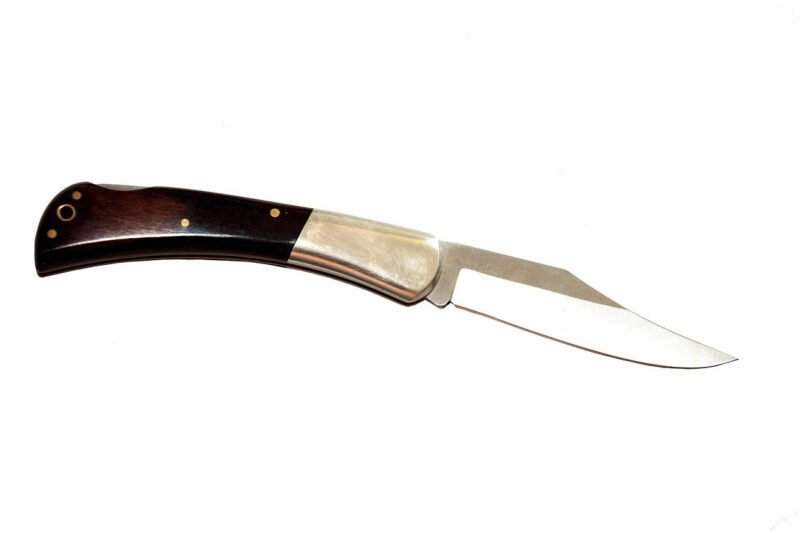
A boning and fillet combo knife is an essential tool for any chef or home cook who handles meat and fish. Understanding the unique features of this knife not only helps in sharpening your culinary skills but also ensures precision in preparation. The primary purpose of a boning knife is to remove bones from cuts of meat, while the fillet knife specializes in filleting fish. Combining both tools into one versatile design maximizes efficiency and effectiveness in the kitchen.
Choosing the Right Knife
When selecting a boning and fillet combo knife, consider the following factors:
Blade Material: High-carbon stainless steel is the gold standard, offering durability, sharpness, and resistance to rust. Look for blades that retain their edge well, especially if you frequently prepare fish and meat.
Blade Length: A common length for a combo knife ranges from 6 to 9 inches. Longer blades are beneficial for larger cuts, while shorter blades provide more control and precision for delicate tasks.
Handle Design: Ergonomics matter. Opt for a knife with a handle that feels comfortable in your hand. Materials vary from plastic to hardwood and rubberized options. Ensure a non-slip grip to enhance safety and ease of use.
Flexibility of the Blade: A flexible blade is ideal for filleting fish, allowing for smooth cuts along the bones. A stiffer blade, on the other hand, is perfect for more rigid cuts of meat. Look for a knife that strikes a balance between flexibility and sturdiness.
Mastering the Technique
1. Proper Grip
Holding the knife correctly is crucial for maximizing control and reducing the risk of injury. The pinching grip is widely recommended—pinch the blade between the thumb and forefinger, using the remaining three fingers to wrap around the handle. This grip allows for better maneuverability and precision.
2. Using the Right Blade Angle
For boning, maintain an angle of about 15 degrees against the meat. This approach ensures a clean cut without excessive force. When filleting, keep the blade nearly flat against the fish to maximize the yield and minimize waste.
3. Boning Meat
To bone meat, start by slicing along the joints and seams using the tip of the knife. Glide the blade carefully along the bone, allowing it to follow the natural contours. Use short, controlled strokes, ensuring that you don’t cut through the meat unnecessarily.
4. Filleting Fish
When filleting a fish, begin by placing it on a clean, non-slip surface. Insert the knife at the head or tail, angling the blade slightly downward. Apply gentle pressure as you slide the knife along the backbone, separating the flesh from the bones. Use the flexible part of the blade to navigate around the rib cage, ensuring you get as much meat as possible.
Maintenance Tips
Keeping your boning and fillet knife in top condition is essential for performance and longevity.
1. Sharpening Techniques
A sharp knife is not only safer but also more effective. Invest in a quality honing rod or whetstone for regular sharpening. Maintain a consistent angle (15 to 20 degrees) when sharpening to avoid altering the blade’s profile. Regular honing can help maintain the edge between sharpenings.
2. Cleaning and Care
Immediately after use, wash the knife in warm, soapy water and dry thoroughly. Avoid leaving it submerged, as prolonged exposure to moisture can lead to rust. If your knife is dishwasher-safe, check the manufacturer’s instructions; hand washing is generally recommended for longevity.
3. Storage Solutions
To prevent damage to the blade, store your boning and fillet knife in a knife block, magnetic strip, or protective sheath. Avoid loose storage in kitchen drawers, which can dull the blade or cause accidents.
Advanced Techniques
Once comfortable with basic techniques, explore advanced methods to elevate your culinary skills.
1. Butterfly Chicken Breast
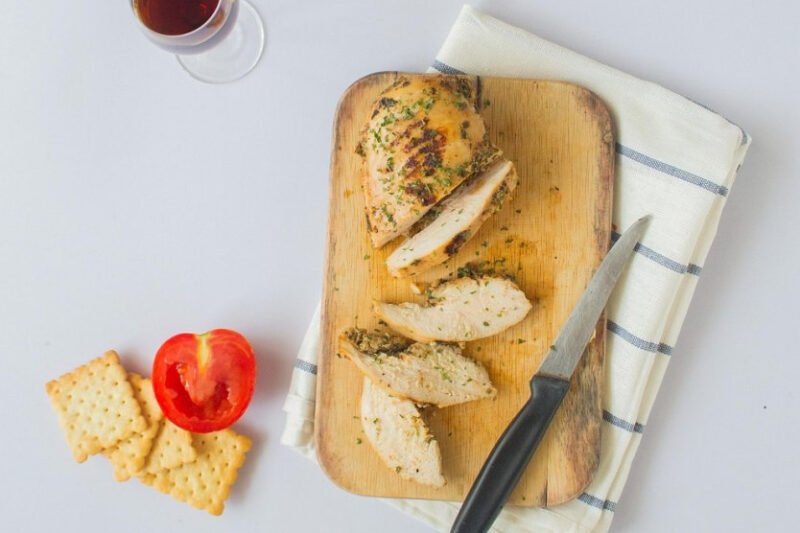
To butterfly a chicken breast, lay it flat on a cutting board, with the thicker part facing up. Position the boning knife horizontally, and slice almost through the breast, stopping just before you reach the end. Open it like a book for even cooking and seasoning.
2. Shucking Oysters
Using the tip of your knife, open the oyster by inserting it into the shell’s hinge. Twist the knife slightly, applying pressure to pop the shell open. Slide the knife along the bottom shell to cut the muscle, allowing the oyster to rest freely.
3. Trimming Fat
When dealing with tougher cuts of meat, use your boning knife to trim excess fat. Hold the knife at a sharp angle against the fat cap and make slow, deliberate cuts to avoid removing too much meat. This technique ensures a more flavorful finished product while enhancing its presentation.
Cooking Techniques Post-Preparation
Once prepared using your boning and fillet knife, consider various cooking techniques to elevate your dishes:
1. Sous Vide
This technique allows precise temperature control, perfect for meats and fish. Seal the prepared portions in vacuum bags and cook them in a water bath. This method ensures tenderness and retains moisture.
2. Grill Marks
For meats and fish, docking with a sharp knife can create unique grill marks. Quickly score the surface before cooking; this not only enhances presentation but also allows for better marinade absorption.
3. Pan-Seared Fish
For filleted fish, a hot cast-iron skillet offers a delicious crust while retaining juices. Season the fish well, then place it skin-side down on the skillet. Allow it to cook without moving it for a few minutes. Flip gently with your boning knife for a perfect sear.
Safety Precautions
When using a boning and fillet knife, safety is imperative.
Always Use a Cutting Board: A stable cutting surface minimizes the risk of slips and accidents.
Knife Awareness: Be conscious of the knife’s position, especially when working with slippery items like fish.
Cut Away from Your Body: Always cut in a direction away from your hands and body to prevent injury.
Wear Cut-Resistant Gloves: For extra safety during intricate cuts, consider wearing cut-resistant gloves.
Conclusion
Incorporating a boning and fillet combo knife into your kitchen toolkit enhances your meat and fish preparation experience. By mastering the subtleties of this versatile knife, you can achieve salon-quality results with confidence. Each technique, maintenance tips, and cooking methods outlined provide a structured pathway to honing your culinary skills and making the most of your investments. By understanding both the tools and techniques at your disposal, you can elevate your cooking significantly.