


The Craftsmanship Behind German Kitchen Knives
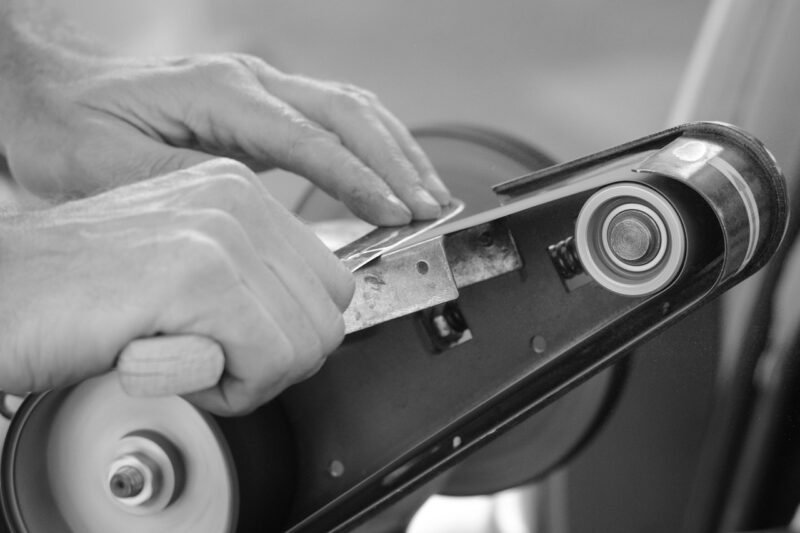
When considering kitchen knives, the craftsmanship associated with German knives sets them apart from their counterparts. German kitchen knives are commercially produced using high-quality materials, ensuring both durability and performance. The manufacturers, known for their centuries of experience, employ traditional methods alongside modern technology to create knives that not only function exceptionally but also feature a refined aesthetic. The attention to detail during the production process results in finely balanced knives that are comfortable for prolonged use.
Materials Used in German Knife Production
One of the defining characteristics of German kitchen knives is the use of high-carbon stainless steel. This premium material combines the best properties of both carbon steel and stainless steel, offering excellent edge retention, resistance to rust, and ease of sharpening. Brands like Wüsthof and Henckels often utilize a unique blend of alloys that enhance performance, ensuring a knife that retains its sharpness over time while resisting corrosion from food acids and moisture.
Thickness and Weight
German kitchen knives tend to be thicker and heavier than their Japanese counterparts. This weight provides better balance and momentum during chopping and cutting, making food prep easier for both novice and experienced cooks. A thicker blade can also handle tough and fibrous foods, such as root vegetables and tougher meats, without bending or breaking. The substantial heft of these knives not only contributes to their ability to perform well but also adds a layer of ergonomics that many cooks appreciate.
Ergonomic Design
Comfort is a paramount consideration in the design of German kitchen knives. Many brands engineer their handles to fit naturally into the user’s hand, reducing fatigue during extended periods of use. Whether equipped with a classic riveted handle or a more modern synthetic option, German knives are designed with an emphasis on user comfort. The ergonomic design extends beyond just the handle’s shape; it often includes a full tang blade, which means the blade extends fully into the handle, offering better balance and control.
Versatility in Styles
German kitchen knives come in a variety of styles, making them suitable for multiple cutting tasks. From the chef’s knife, known for its multi-functional capabilities in chopping and slicing, to specialized knives such as paring and boning knives, the German knife family covers all culinary needs. This versatility is beneficial for home cooks, allowing them to invest in a few high-quality knives rather than a larger set of less effective tools.
Exceptional Edge Retention
One of the key attributes of German knives lies in their exceptional edge retention. The high-carbon stainless steel used allows for a fine edge that can stay sharp for longer periods, reducing the frequency of sharpening sessions. While some may argue that they require occasional honing, this is a small price to pay for the longevity and reliability they provide. Home cooks benefit from spending less time maintaining tools and more time enjoying the cooking process.
Ease of Maintenance
For many home cooks, ease of maintenance is a primary concern when selecting kitchen knives. German knives are designed with practical maintenance in mind. Unlike some high-performance Japanese knives that may require specialized care to avoid chipping or damage, German knives can be used across a range of cooking techniques without concern. Most German knives are dishwasher-safe, although hand washing is recommended for longevity. Even with this flexibility, the robust materials ensure that they withstand everyday wear and tear while retaining their functionality.
Affordability vs. Quality
While German kitchen knives are often seen as an investment, they typically offer excellent value for their price. The durability of these knives, combined with their longevity, makes them economically wise in the long run. Contrary to low-cost options that might need replacement after a short timeframe, investing in a high-quality German knife means fewer replacements and repairs over the years. The price point reflects not just a tool but a commitment to quality craftsmanship that enhances the cooking experience.
Trusted Brands and Heritage
Brands like Wüsthof, Henckels, and Fischer claim rich histories, with some dating back to the 19th century. This heritage represents a legacy of kitchen innovation and commitment to quality that many modern cooks appreciate. When purchasing from these established names, purchasers can trust that they are acquiring a knife built on centuries of expertise. Each brand offers specific benefits: Wüsthof is known for its precision and balance, while Henckels often provides accessibility without sacrificing quality.
Performance in Culinary Techniques
The performance of German kitchen knives speaks volumes. With their robust construction, they excel in various culinary techniques, from mincing herbs to filleting fish. Home cooks often find that the broad blade of a German chef’s knife provides ample surface area for transferring chopped food from the cutting board to a pot or pan, adding convenience to the cooking process. Additionally, the angle of the blade facilitates precise cutting methods, which are crucial for refined culinary presentation.
Safety Features
Safety is a fundamental concern in any kitchen, and German kitchen knives are designed with this in mind. The weight and balance of the knives contribute to controlled handling, reducing the risk of accidents and injuries. Many models also feature ergonomic designs that allow for a secure grip, resulting in decreased slippage during use. Furthermore, many German knives include protective sheaths, helping maintain sharpness while enhancing safety when stored.
Positive User Feedback
Home cooks frequently rave about the user experience of German kitchen knives, often highlighting the comfort and ease of use. Reviews often underscore their sharpness, balance, and longevity, with many users claiming they cannot return to cheaper, less effective alternatives. The overarching consensus is that these knives greatly enhance the cooking experience, making food preparation more enjoyable.
Environmentally Sustainable Practices
In recent years, many German knife manufacturers have begun adopting environmentally sustainable practices. This includes sourcing materials responsibly and focusing on reducing waste in manufacturing processes. By prioritizing sustainability, brands not only appeal to the eco-conscious consumer but also contribute positively to the global community.
Investment for the Future
Investing in a set of German kitchen knives is not just about immediate use; it’s a choice that echoes throughout time. Cooks can expect their knives to last decades, with many even being passed down as family heirlooms. This longevity, combined with the level of performance and craftsmanship, makes them a formidable choice for any kitchen.
Conclusion
German kitchen knives epitomize quality, performance, and longevity, making them the best choice for home cooks. With their rich heritage and impeccable design, these knives beautifully blend functionality with aesthetic appeal. Far beyond mere kitchen tools, they represent an investment in culinary excellence that every home cook should consider.