


Understanding Knife Sharpening
Knife sharpening frequency depends on several factors, including knife usage, type of blade, and the material being cut. Understanding these variables can help maintain the longevity of your knives and ensure optimal performance.
Types of Knives and Their Sharpening Needs
Chef’s Knives: Essential for various tasks in the kitchen, chef’s knives require regular maintenance. If used daily for multiple meal preparations, sharpening every few weeks is advisable. For less frequent users, a sharpen might only be necessary every two to three months.
Paring Knives: Used for peeling and detailed work, these knives might only need sharpening based on occasional use. A sharpening session every month or two is generally sufficient if you’re a casual cook.
Serrated Knives: Ideal for bread and certain fruits, serrated knives should not be honed in the same way as straight-edge knives. Instead, they should be lightly touched up with a specialty serrated knife sharpener every 6 to 12 months.
Boning and Fillet Knives: These are typically used for breaking down meat and fish. Depending on the frequency of use, a maintenance sharpening every 3 to 4 months can keep them in prime condition.
Pocket Knives: Often used for varied tasks, pocket knives don’t need to be sharpened too often. A sharpening every few months can keep the blade functional for casual carry and use.
Indicators That Your Knife Needs Sharpening
While the general guidelines suggest when to sharpen knives, it’s essential to listen to the knife itself. Here are some indications:
Dullness: A common sign of a dull knife is when it resists cutting through food. For instance, if a chef’s knife struggles to slice through a tomato, it’s time for a sharpening session.
Rough Edge: Running your finger along the blade (carefully!) can help you feel if the edge is smooth. If you feel any nicks or roughness, those need addressing.
Visible Wear: Over time, blades may show visible signs of wear, including chips or uneven edges. This type of damage usually requires more than just honing and indicates a need for professional sharpening.
Different Sharpening Methods
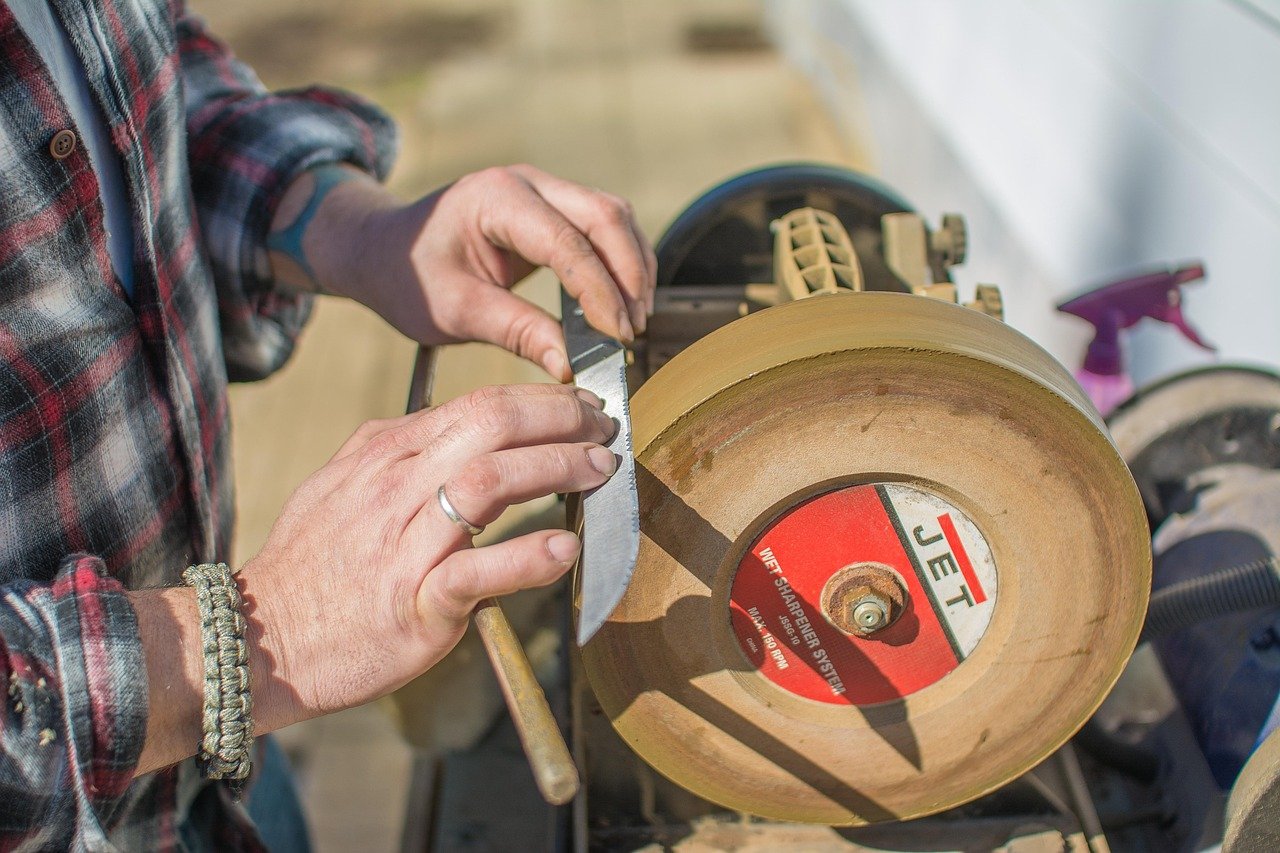
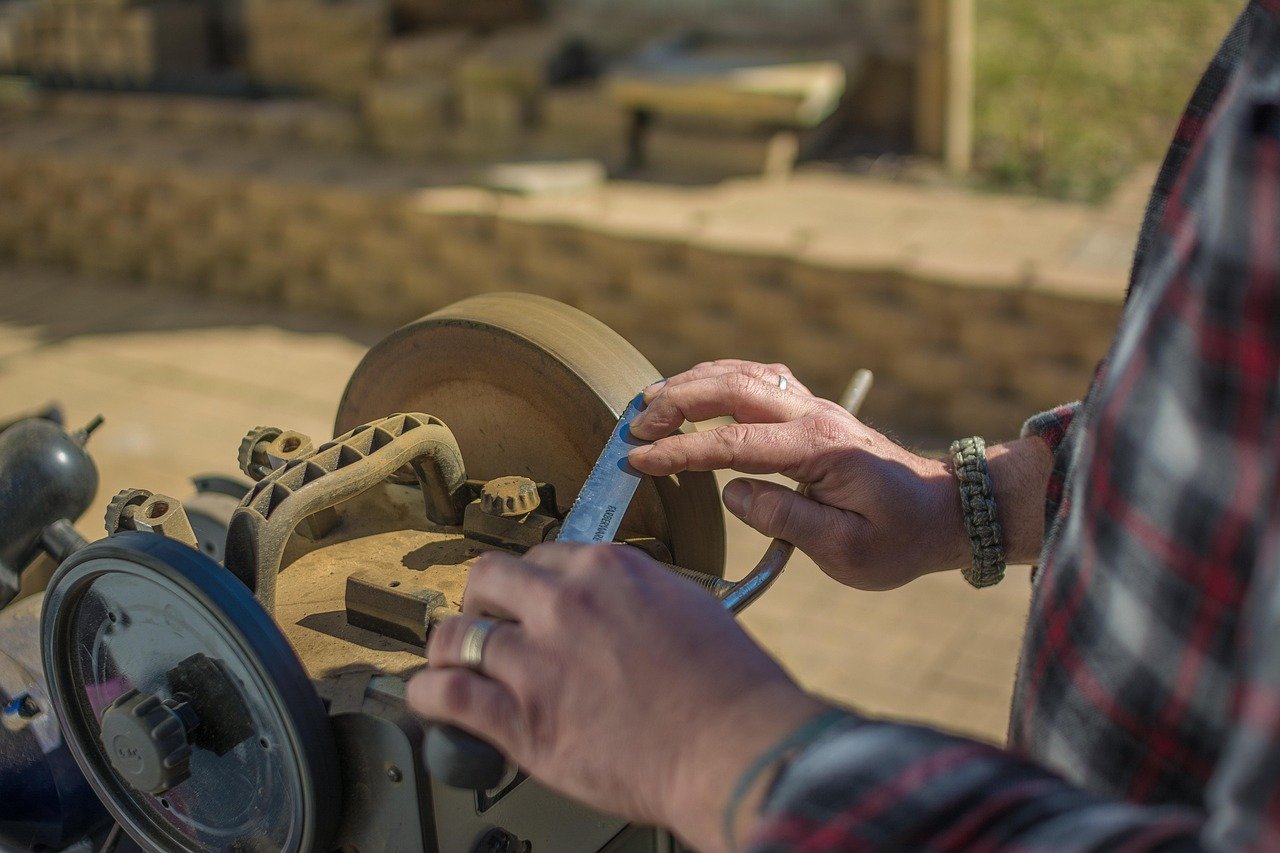
Whetstone: A sharpening stone is one of the best methods to achieve a sharp edge, combining both artistry and utility. It’s essential to choose the correct grit; a coarse grit (around 200-400) is good for repairing edges, while fine grit (1000-3000) is better for honing. Professionals often recommend using a whetstone regularly, as it allows for precise control over the sharpening angle.
Honing Rod: Using a honing rod does not actually sharpen the knife but realigns the edge. This should be done every time the knife is used to maintain an effective cutting surface. However, honing does not replace the need for actual sharpening.
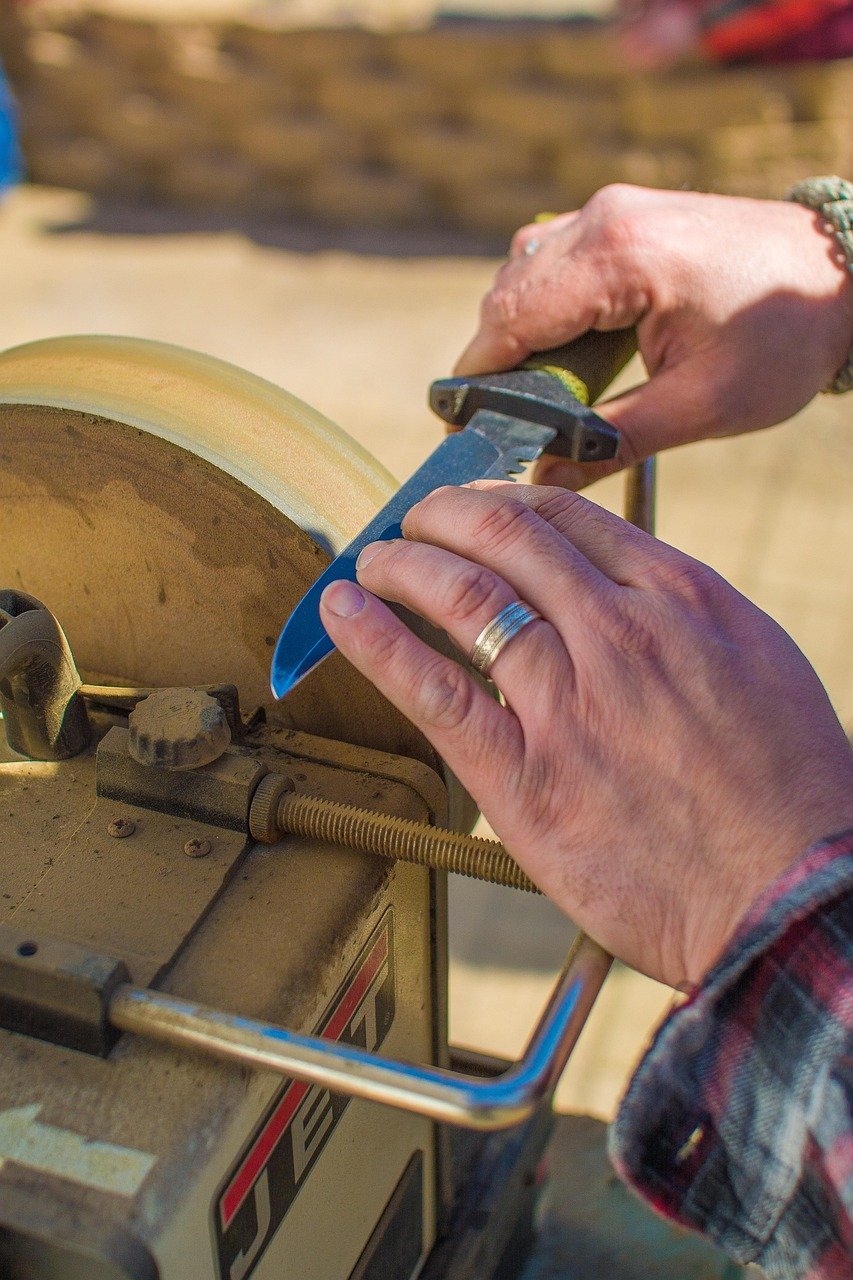
Electric Sharpeners: These machines make the sharpening process quick and simple, especially for beginners. They create a consistent edge but can remove more material than other methods, possibly leading to reduced knife lifespan if used excessively.
Manual Pull-Through Shop Sharpeners: These are user-friendly devices that offer a simple, fast way to sharpen knives. However, they are less effective than a whetstone or honing rod because they can create a less desirable edge.
Professional Services: If your knife needs extensive repair or you’re unsure about sharpening yourself, using professional services can be beneficial. Professionals have the tools and expertise to bring your blades back to optimal condition.
Caring for Your Knives Post-Sharpening
Proper care after sharpening can enhance a knife’s longevity and effectiveness. Here are some tips:
Wash by Hand: After use, knives should be washed by hand with mild soap and dried immediately. The dishwasher can cause wear and dulling.
Proper Storage: Store knives in a knife block, magnetic strip, or sheaths. Avoid placing them loose in a drawer as this can lead to blade damage.
Consistent Maintenance: Regularly honing your knife before use ensures continued sharpness. It minimizes the need for frequent sharpening.
Conclusion
Understanding how often to sharpen your knives and knowing when they need attention keeps cooking enjoyable and safe. By considering the knife type, sharpening methods, and maintenance practices, you can ensure your kitchen tools remain in excellent condition.