

Understanding Knife Sharpening
Before choosing the right knife sharpener, it’s essential to understand the importance of knife sharpening. A sharp knife improves your cooking efficiency, enhances safety by preventing slips, and ensures precision cutting. Dull knives require more pressure, increasing the risk of accidents. Additionally, a properly sharpened knife retains its edge longer, reducing the frequency of sharpening needed.
Types of Knife Sharpeners
Manual Knife Sharpeners
- Steel Rods: These are excellent for honing edges rather than sharpening. They realign a blade’s edge but won’t reshape a damaged knife.
- Whetstones: Traditional sharpening tools made from synthetic or natural stone. They require skill to use effectively, involving specific angles and pressure.
- Handheld Sharpeners: Compact devices with a two-slot design, they feature coarse and fine surfaces. They are user-friendly and often provide a guided angle for consistent sharpening.
Electric Knife Sharpeners
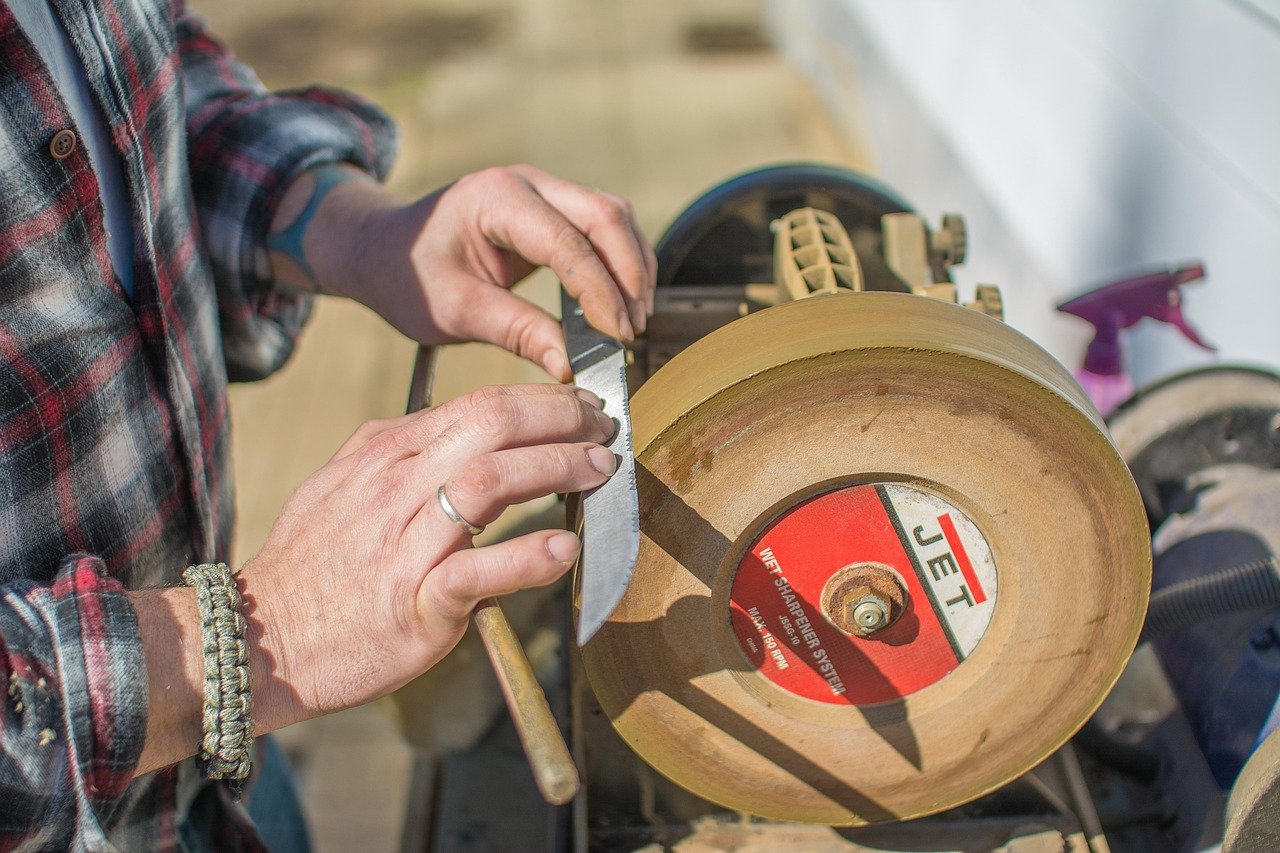
- Motorized Models: These sharpen knives quickly by inserting them into slots that usually have carbide or ceramic grinding wheels. They are beneficial for users who may struggle with manual methods but can remove too much material if used excessively.
Professional Knife Sharpening Services
- These services can be sought for high-end knives or if you want to maintain the blade’s optimal condition without the risk of damaging it.
Factors to Consider When Choosing a Knife Sharpener
Type of Knife Used
- Consider the types of knives you commonly use. A chef’s knife may require a different sharpener than a paring knife or specialty knives like serrated blades.
Material of the Knife
- Stainless steel, high-carbon steel, and ceramic knives can all require different sharpening techniques. Ensure that the sharpener you choose is suitable for your knife’s material.
Sharpening Angle
- The angle at which a knife is sharpened is crucial. Many Western-style knives typically operate at a 20-degree angle, while Asian-style knives can be as narrow as 15 degrees. Knowing your knife’s angle will help you choose a sharpener that accommodates it.
User Experience
- Think about your proficiency level. Beginners may prefer electric or handheld sharpeners with guided angles, while experienced users might appreciate the control of whetstones.
Portability
- If you often travel or cook in different kitchens, consider the size and weight of your sharpener. Manual sharpeners tend to be more portable than electric ones.
Cost
- Set a budget before shopping. Manual sharpeners are generally more affordable than electric ones. However, investing in a quality sharpener can save you money in the long run by prolonging the life of your knives.
Best Practices for Knife Sharpening
- Regular Maintenance: Regularly hone knives with a steel rod to maintain edge alignment. Reserve a full sharpening session for when the blade is visibly dull.
- Correct Technique: For whetstones, use a fluid motion, applying even pressure. For handheld sharpeners, pull the knife through the slots as directed for the best results.
- Cleaning: After sharpening, clean your blade to remove any metal particles that could affect its performance.
Popular Brands of Knife Sharpeners
- Wüsthof: Known for high-quality knives and sharpeners, Wüsthof’s electric sharpeners are particularly popular among culinary professionals.
- Shun: Their whetstones cater to users who want to maintain high-quality Japanese knives. Shun stones are often gritted for precision.
- Chef’sChoice: With a variety of options ranging from manual to electric, Chef’sChoice is recognized for its versatility and user-friendly designs.
FAQs About Knife Sharpeners
How often should I sharpen my knives?
The frequency depends on usage. A good rule is to sharpen when the knife feels dull—approximately every few months for regular home cooks.Can I use a whetstone for serrated knives?
You should avoid using a whetstone directly on serrated blades. Instead, opt for a specialized serrated knife sharpener or a honing steel.Is it safe to use an electric sharpener?
Yes, as long as you follow the manufacturer’s instructions. Electric sharpeners can remove material quickly, so care is needed to avoid over-sharpening.
Caring for Your Knife Sharpener
- Regular Cleaning: Clean your sharpener according to its type—whetstones may require water to prevent drying, while electric sharpeners need debris removal to maintain efficiency.
- Storage: Store sharpeners in a dry place, away from moisture and extreme temperatures, to preserve their functionality.
- Check for Wear: For electric sharpeners, check the wheels or grinding surfaces regularly and replace them when they become worn.
Conclusion
Choosing the right knife sharpener is crucial for maintaining your kitchen tools. By understanding the various types available, considering your knife’s material and usage frequency, and learning how to care for your sharpener effectively, you can make an informed decision that ensures your chefs’ knives remain in optimal condition for years to come.