

Understanding Pocket Knife Types
When choosing a folding pocket knife, it’s essential first to understand the various types available. The most common types include:
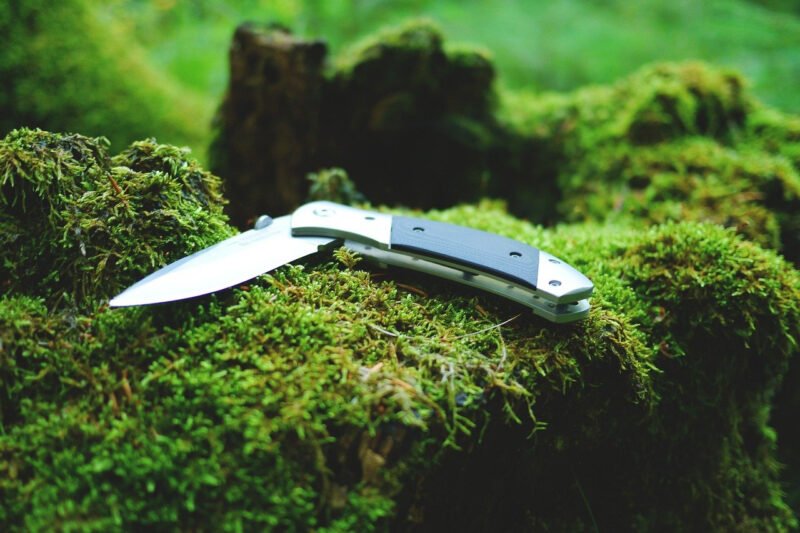
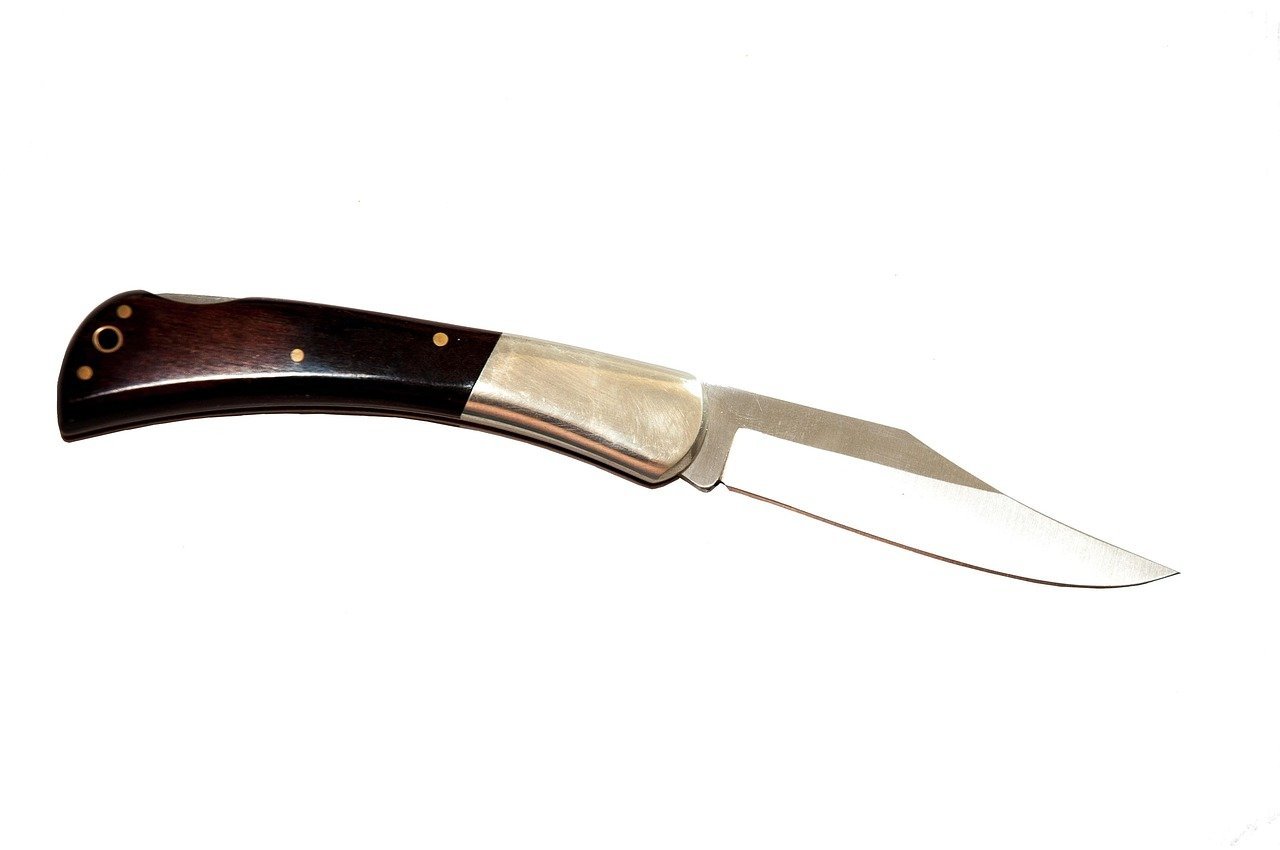
Lockback Knives: These feature a locking mechanism that secures the blade in an open position, offering robust safety. They’re easy to operate with one hand, making them ideal for everyday carry.
Liner Lock Knives: Liner locks use a spring-loaded arm to keep the blade open. They’re popular for their lightweight nature and quick deployment, suitable for everyday carry and outdoor activities.
Frame Lock Knives: Similar to liner locks but utilizing the knife’s frame instead of a liner, these knives are extremely sturdy and well-suited for heavy use.
Slip Joint Knives: Slip joints don’t have a locking mechanism but rely on spring tension to hold the blade in place. These are often preferred for legal carry in areas with restrictions on locking blades.
Assisted Opening Knives: These knives feature a mechanism that helps the blade open quickly with minimal effort. They are great for tactical jobs and self-defense situations.
Blade Material Considerations
The blade material is one of the most critical aspects of your folding knife. Common materials include:
Stainless Steel: Known for its corrosion resistance and ease of maintenance. However, it may not hold an edge as well as carbon steel.
Carbon Steel: Holds a sharper edge for longer and is easier to sharpen, but it’s prone to rust if not maintained properly.
High Carbon Stainless Steel: Offers the best of both worlds, providing edge retention and resistance to corrosion.
Tool Steel: Extremely durable and can take a beating, but it requires more care to prevent rust.
Blade Shape and Design
The shape of the blade can significantly influence its functionality:
Drop Point Blade: Offers a strong tip and a wider belly, making it ideal for general-purpose tasks like skinning and slicing.
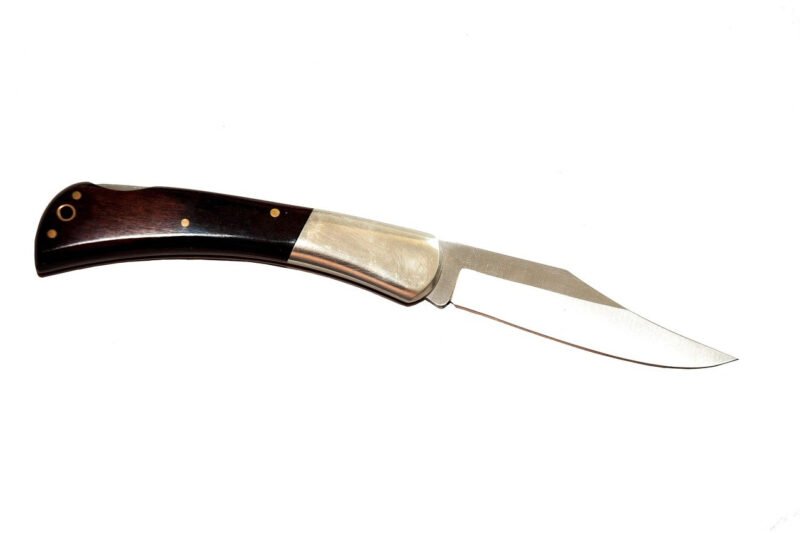
Clip Point Blade: Features a concave curve, making it great for piercing tasks and detail work.
Spear Point Blade: Symmetrical design that’s excellent for thrusting and slicing but may not be ideal for heavy-duty tasks.
Serrated Blade: Useful for cutting through tough materials like rope or fabric, often found on multi-tools.
Size and Weight Considerations
Pocket knives come in various sizes and weights, affecting portability and ease of use. When considering size:
Blade Length: A blade over 3 inches may be restricted in certain areas, while under 3 inches is generally more legally acceptable.
Overall Length: Consider how the full size will feel in your hand and pocket.
Weight: Lightweight knives are easier to carry, while heavier blades may be sturdier but less convenient for daily use.
Handle Materials
The handle material contributes not just to aesthetics but also to grip and durability:
G10: A composite material that provides excellent grip, even in wet conditions.
Micarta: Offers a classic, refined look and good grip while being lightweight.
Aluminum: Lightweight and strong, often fitted with textured finishes for better grip.
Wood: Traditional and aesthetically pleasing but may require more maintenance.
Ergonomics and Grip
The ergonomics of a pocket knife directly impact its usability. Ensure the knife feels comfortable in your hand, with a grip that allows for easy manipulation without slipping. An ergonomic design can prevent hand fatigue during extended use and enhances safety when operating the knife.
Opening Mechanisms
Choose an opening mechanism that suits your needs:
Manual Opening: Requires more effort but often offers better control, making them suitable for everyday tasks.
Assisted Opening: Provides quick access but may be subject to legal restrictions in some areas.
Automatic Opening: Knives that open with the push of a button. These are often subject to strict regulations, so always check local laws before purchase.
Locking Mechanism
Ensure your knife incorporates a reliable locking mechanism for safety. The following are common locking mechanisms:
Lockback: A button or lever mechanism that securely locks the blade when open.
Liner Lock: Provides a stable holding force through a liner that engages when the blade is deployed.
Frame Lock: Utilizes the knife’s frame to lock the blade, offering robustness for heavy-duty tasks.
Legal Considerations
Before purchasing a folding pocket knife, it’s crucial to be aware of legal restrictions in your area. Some regions have specific laws about blade length, locking mechanisms, and whether certain knives can be carried in public. Always research local laws regarding knife carry to avoid any legal complications.
Brand Reputation and Reviews
Consider investing in reputable brands known for their durability and craftsmanship. Look for consumer reviews and expert recommendations to gauge overall satisfaction and performance. Well-known brands often provide greater assurance of quality.
Price and Budget
Set a realistic budget that takes into account the knife’s intended use. High-end models may offer superior materials and craftsmanship but may not be necessary for occasional use. Mid-range knives can provide excellent performance without breaking the bank.
Maintenance and Care
A folding pocket knife requires regular maintenance for optimal performance. Important maintenance tips include:
Cleaning: Regularly clean the blade and handle with appropriate cleaning solutions to remove dirt and residue.
Sharpening: Keep your knife sharp with whetstones, ceramic rods, or professional sharpening services.
Oiling: Apply a few drops of oil to the pivot points to ensure smooth operation and prevent corrosion.
Testing and Comfort
If possible, visit a store where you can handle different knives. Pay attention to how the knife feels in your hand, how smoothly it opens, and how easily it engages its locking mechanism. Personal comfort and usability should guide your choice.
Mechanical vs. Traditional
Decide whether you prefer a traditional pocket knife or a modern mechanical variant. Traditional knives may offer a classic aesthetic, while mechanical knives often feature advanced materials and design efficiencies.
Recommended Uses
Identify what you will primarily use the knife for. Options might include:
Everyday Carry: A lightweight, compact design with a durable blade.
Outdoor Activities: A robust, versatile knife with a comfortable grip.
Emergency Situations: A model that opens quickly and features a rugged build.
Collecting: Focus on aesthetics, rarity, or historical significance.
Customization Options
Some brands offer customization options for their knives, from personalization engravings to unique designs. Consider customizing if you want a knife that reflects personal style or usage.
Warranty and Return Policies
Always check the warranty and return policies before purchasing a folding pocket knife. A solid warranty often indicates manufacturer confidence in their product. Good return policies can provide peace of mind in case the knife does not meet expectations.
Eco-Friendly Options
As sustainability becomes more crucial, consider brands that focus on using sustainable materials or environmentally friendly manufacturing processes. Supporting eco-conscious brands can be a rewarding aspect of your purchase.