

Understanding Knife Sharpening
Knife sharpening is an essential skill for anyone who uses knives regularly, whether in the kitchen or for outdoor activities. A sharp knife not only makes cutting easier but also enhances safety, as dull knives require more force and can slip, leading to accidents. DIY knife sharpening allows you to maintain your blades effectively without relying on professional services.
Importance of Knife Sharpening
Dull knives can lead to poor cutting performance, decreased efficiency, and increased risk of injury. Regular sharpening ensures that your knives remain functional and prolongs their lifespan. This guide explores the best DIY methods that are both efficient and easy to implement at home.
Tools Needed for Knife Sharpening
Before diving into sharpening methods, gather the necessary tools:
- Whetstone: A rectangular block made from abrasive materials. They come in various grits—coarse (rough), medium (medium), and fine (smooth).
- Sharpening Rod: Often made of steel, ceramic, or diamond. Great for honing edges between full sharpenings.
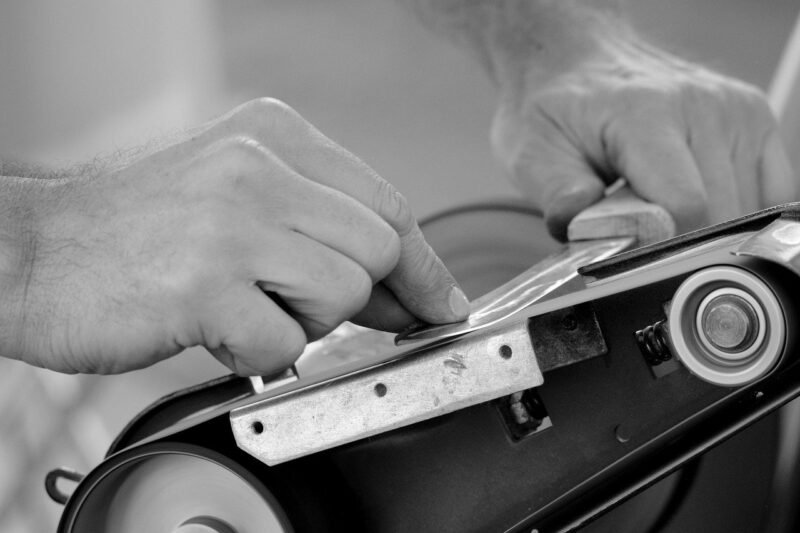
- Electric Sharpener: Provides consistent results but may remove more material than manual methods.
- Pull-Through Sharpener: A more user-friendly option for novices.
- Leather Strop: Used for polishing the knife edge after sharpening to enhance the final finish.
Method 1: Using a Whetstone
Choosing the Right Whetstone
Select a whetstone with a dual-sided grit: a coarse side (around 400-600 grits) for repairing and shaping edges and a fine side (1000-3000 grits) for polishing.
Preparing the Whetstone
Soak the whetstone in water for about 10-15 minutes before use. This helps to create a slurry that enhances sharpening.
Sharpening Process
Angle Setting: Hold the knife at a 15-20 degree angle against the stone. This angle influences the sharpness and performance of the blade.
Sharpening Technique: Start on the coarse side. Place the blade edge against the stone and apply gentle pressure as you pull the knife towards you, maintaining the angle. Repeat about 5-10 times on each side, progressively increasing the pressure.
Switch to Fine Grit: Flip the whetstone to the fine side and repeat the pulling motion to refine the edge.
Testing: To check sharpness, slice through paper. A sharp knife should cut cleanly without tearing.
Method 2: Using a Sharpening Rod
Selecting the Right Rod
For kitchen knives, a ceramic or honing rod is recommended. For tougher outdoor knives, a diamond rod can be more effective.
Sharpening Process
Angle Setup: Hold the rod vertically while maintaining the knife at a 15-20 degree angle against the rod.
Technique: Starting at the bolster or handle, draw the knife down and across the rod, applying light pressure. Alternate sides with each stroke, typically 5-6 passes per side.
Final Touches: Always finish with lighter strokes to polish the edge.
Method 3: Electric Sharpeners
Choosing an Electric Sharpener
Electric sharpeners typically have two or more slots with different grits. It’s crucial to select one tailored to your knife types.
Sharpening Process
Plug-in: Ensure the sharpener is plugged in and ready to use.
Insert the Blade: Follow the manufacturer’s guidance. Generally, insert the blade into the first slot and pull it through without applying excessive force.
Repeat: Move to the next slot if available for finishing, following each step as directed.
Method 4: Pull-Through Sharpeners
Advantages of Pull-Through Sharpeners
These are user-friendly and often designed for individuals with limited knife skills. They offer a simple way to sharpen knives safely.
Using a Pull-Through Sharpener
Positioning: Place the sharpener on a stable surface.
Insertion: Insert the blade into the designated slot. Follow specific instructions regarding the number of passes (usually 3-5).
Maintenance of Sharpened Knives
After sharpening, proper maintenance ensures that your knives remain in peak condition.
Cleaning the Knife
Wipe the blade with a damp cloth to remove metal filings or debris before storing them. Avoid using the sponge directly on the blade as abrasive materials can dull the edge.
Hone Regularly
Use a sharpening rod weekly or bi-weekly, depending on usage. Regular honing maintains the edge, requiring less frequent sharpening.
Store Properly
Store knives in a designated knife block, magnetic strip, or blade guards to prevent dulling or chipping. Avoid tossing them in a drawer.
Additional Tips for Knife Sharpening
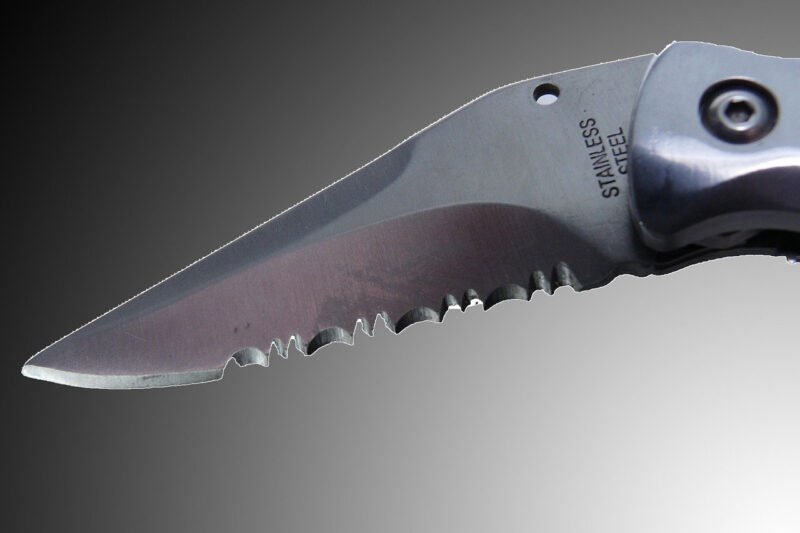
- Learn the Anatomy: Understanding the anatomy of a knife—blade edge, spine, tip, and heel—enhances your ability to sharpen effectively.
- Practice Patience: Sharpening is a skill that benefits from practice. Start with less expensive knives to hone your technique.
- Keep Knives Dry: Moisture can lead to rust. Ensure knives are wiped dry after each use.
Common Sharpening Mistakes to Avoid
- Incorrect Angles: Failing to maintain the correct angle can lead to a poorly sharpened knife.
- Too Much Pressure: Applying excessive force can damage the blade and the sharpening tool.
- Neglecting Maintenance: Regularly honing and storing your knives properly prolongs their life and performance.
Conclusion of Methods and Strategies
Mastering DIY knife sharpening with the right tools and techniques can significantly improve your culinary or outdoor experiences. By choosing a method that fits your comfort level and knife type, maintaining sharp knives at home becomes a practical and satisfying task.