


Understanding Your Fillet Knife
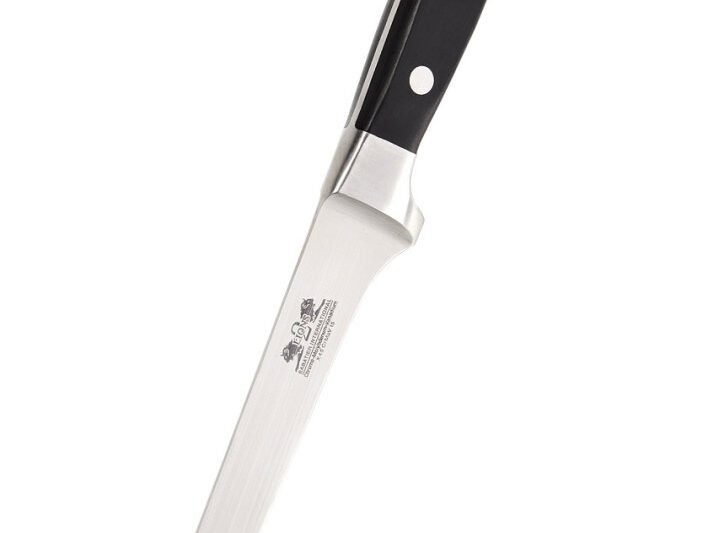
A fillet knife is a specialized tool designed for the precise task of filleting fish. With a flexible, thin blade, it allows for easy maneuvering around bones and skin. Proper maintenance of this knife not only enhances its performance but also extends its lifespan. Understanding the construction of your fillet knife—its blade material, handle, and overall design—can help you determine the best methods for maintenance.
Blade Materials: A Quick Overview
Fillet knives are typically made from various materials, including stainless steel, carbon steel, and high-carbon stainless steel. Each material has its own unique properties:
- Stainless Steel: Rust-resistant and low maintenance, this material is ideal for saltwater environments but may not hold an edge as long as carbon steel.
- Carbon Steel: Known for superior edge retention, carbon steel needs regular care to prevent rust and corrosion.
- High-Carbon Stainless Steel: A hybrid that delivers the benefits of both types, offering both durability and resistance to corrosion.
Routine Cleaning After Use
- Immediate Rinsing: After each use, rinse your fillet knife in warm water to remove any fish residue.
- Mild Soap Application: Use a soft sponge with mild dish soap to thoroughly clean the blade. Avoid abrasive sponges as they can scratch the blade.
- Drying: Dry the knife immediately with a soft towel to prevent rust formation, especially if the knife is made of carbon steel. Make sure no water remains on the blade, as even a single drop can lead to corrosion.
Sharpening Your Fillet Knife
Frequency of Sharpening: A fillet knife should be sharpened regularly, depending on use. If you fillet fish multiple times a week, sharpen it after every use. For less frequent use, aim for sharpening every month.
Choosing the Right Sharpener: Use a whetstone for the best results. Electric sharpeners can be convenient but may remove too much material too quickly for a delicate fillet knife. A ceramic rod can also work wonders for light touch-ups.
Sharpening Technique: When sharpening:
- Maintain a consistent angle of 15-20 degrees.
- Use alternating strokes on each side of the blade to ensure an even edge.
- Finish with a light honing to align the edge.
Polishing the Blade
Once sharpened, polishing the blade adds an extra layer of protection against moisture and potential corrosion. A specialized metal polish or even mineral oil can work wonders.
- Applying Oil: Use a small amount of mineral oil on a clean cloth.
- Buffing: Gently buff the blade using circular movements to create a protective sheen, which also enhances aesthetics.
Handle Maintenance
The handle of your fillet knife, often made from materials such as wood, plastic, or rubber, requires its own type of care.
Wooden Handles: If your fillet knife has a wooden handle, avoid soaking it in water. Instead, clean it with a damp cloth and dry it immediately. Periodically applying food-grade mineral oil can help maintain its finish and prevent cracking.
Plastic and Rubber Handles: These are generally more resistant to moisture; however, they can still benefit from a simple wash with mild soap and water. Dry them thoroughly.
Storing Your Fillet Knife
Proper storage is crucial for maintaining the sharpness and integrity of your fillet knife.
- Knife Block: A dedicated knife block protects the blade’s edge and prevents accidents.
- Sheaths or Blade Guards: Use a sheath or blade guard, especially for outdoor storage or travel. This prevents dulling due to contact with other utensils or surfaces.
- Magnetic Strips: If space allows, a magnetic strip can be a stylish and efficient way to store your knife while keeping it easily accessible.
Handling Techniques
Maintaining your fillet knife is not only about cleaning, sharpening, and storing; it also involves handling techniques.
- Grip Technique: Always use a firm grip on the handle to control the knife with precision. This minimizes the risk of accidents and ensures optimal cutting efficacy.
- Cutting Surface: Always use a proper cutting board made from softer materials, like plastic or wood, to avoid unnecessary damage to the blade.
Seasonal Maintenance
If you live in an area with distinct seasons, consider seasonal maintenance.
- Winter: In cold, dry climates, check for any signs of rust more frequently and apply oil to the blade and handle.
- Summer: For summer outings, ensure the knife is thoroughly cleaned and dried after each use, particularly when engaging in saltwater fishing.
Recognizing the Signs of Wear
Be attentive to the signs that your knife requires maintenance beyond the routine. Common indicators include:
- Dullness: A noticeable decrease in cutting efficiency indicates it’s time to sharpen.
- Rust or Discoloration: Rust spots can weaken the blade and should be addressed immediately.
- Loose Handle: Ensure the handle is tightly adhered to the blade. If it feels loose, consider professional repairs.
Conclusion
Proper maintenance of your fillet knife is an investment in its longevity and performance. By following these guidelines—cleaning after use, sharpening consistently, polishing the blade, maintaining the handle, storing appropriately, and using correct handling techniques—you can significantly extend the life of your fillet knife. Regular attention and care will ensure that this essential tool remains in top condition, ready for your next cooking adventure.