



1. The Grip
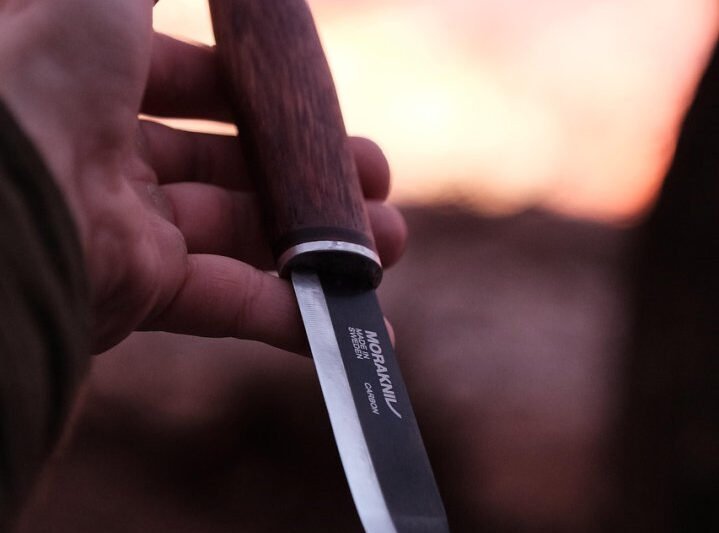
A proper grip is foundational to any knife technique. There are several styles, but the most recommended for beginners is the pinch grip. Pinch the blade’s spine between your thumb and index finger, with the remaining three fingers wrapped around the handle. This grip offers better control and stability, allowing for precise movements. When slicing or chopping, ensure that your grip remains firm yet relaxed, which helps reduce strain during extended cooking sessions.
2. The Basic Chop

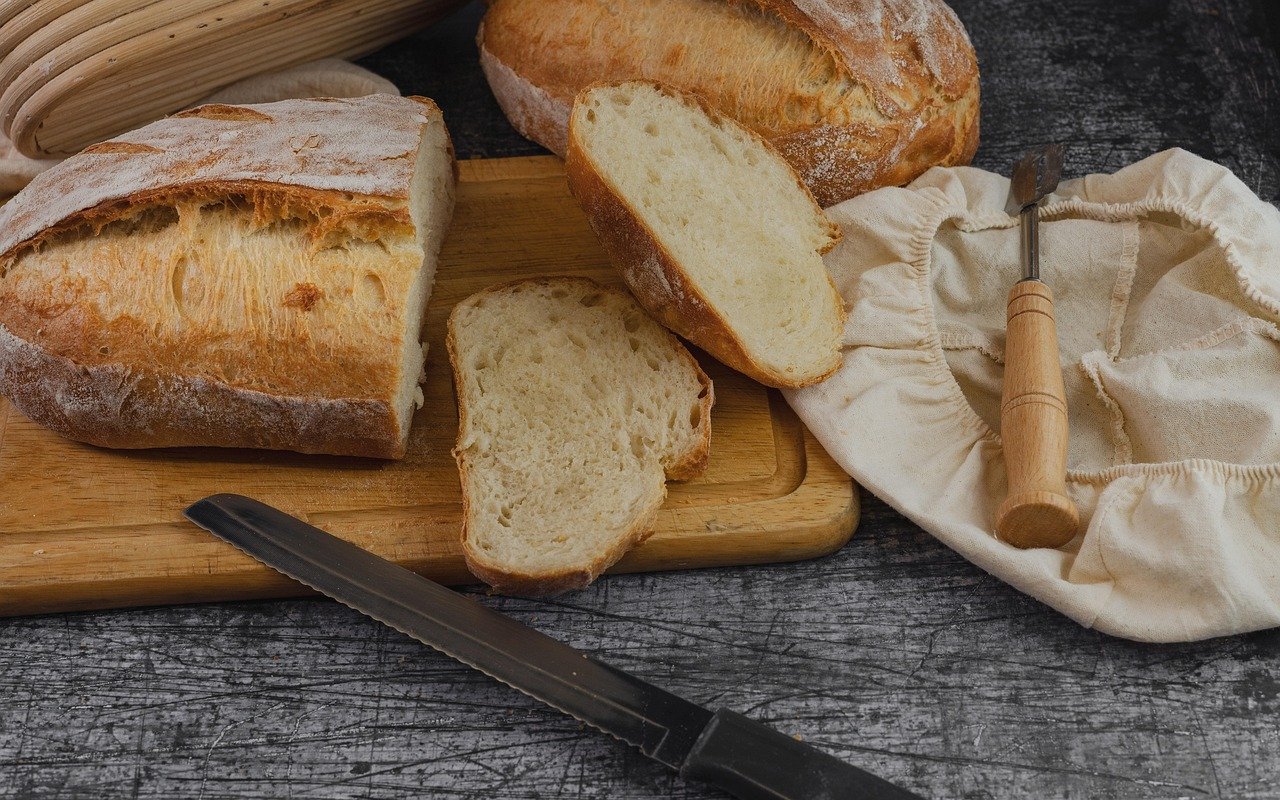
The basic chop is a fundamental skill every cook should master. Begin by holding the knife with the pinch grip and the food item steady with your other hand, using a claw grip to protect your fingers. With a smooth rocking motion, bring the knife down to chop through the food at a controlled speed. Ensure your cutting board is sturdy and stable for improved safety. Practice with softer vegetables like onions or zucchini before progressing to harder foods like carrots.
3. The Slice
Slicing differs from chopping in that it involves a smoother, gliding motion rather than a downward force. This technique is essential for achieving uniform thickness, especially when cutting meats or delicate vegetables like tomatoes. To slice, maintain a stable grip on the knife and use a back-and-forth motion, letting the knife’s sharpness do the work. For meats, slice against the grain to make the texture more tender and easier to chew.
4. The Mince
Mincing is used to finely chop ingredients, such as garlic and herbs, enhancing flavor integration in your dishes. Start with the ingredient in the center of the board. After chopping it into small pieces, use the knife’s blade to gather the bits, then rock the knife back and forth while applying gentle pressure. Keep the tip of the knife anchored to the cutting board for better control. This technique is especially useful for preparing garnishes or seasoning blends.
5. The Dice
Dicing refers to cutting ingredients into small, uniform cubes, crucial for presentations and even cooking. To dice vegetables, firstly cut them into strips (julienne). Then, stack the strips and cut them crosswise into small squares. This technique ensures even cooking and enhances the textured appeal of your dish. Practicing with vegetables like bell peppers or potatoes helps refine the dice technique.
6. The Julienne
Julienning is a cutting technique that creates matchstick-sized strips, often used for vegetables like carrots or zucchini. Start by trimming the ends of the vegetable and cutting it into manageable lengths. Make thin planks, then stack them and slice them into thin strips. This technique can add textural variety and visual appeal to stir-fries or salads. Consistent size ensures even cooking, making this technique vital.
7. The Chiffonade
Chiffonade is a technique used primarily for leafy greens and herbs. To do this, stack leaves on top of one another, roll them tightly, and then slice thinly across the roll. This yields fine ribbons, perfect for garnishing pastas, soups, or salads. Ensure your knife is sharp to avoid bruising delicate leaves, which can affect the flavor and appearance of your dishes.
8. The Sharpening Technique
Maintaining a sharp knife is just as essential as mastering its techniques. Beginners should learn to use a whetstone or honing steel. For a whetstone, soak it in water, then hold the knife at a 20-degree angle while sliding it smoothly across the stone, alternating sides. For honing, use the steel to realign the blade’s edge; a few gentle strokes on each side will help maintain sharpness. Regularly sharpening not only improves efficiency but also enhances safety—dull knives are more dangerous as they require more force.
9. The Mousse Technique
The mousse technique involves gently mixing ingredients with a knife instead of a spoon or spatula, ideal for delicate mixtures like whipped cream or mousse. Very gently fold the ingredients by bringing the knife down through the mixture and lifting it back up. A clean blade makes this easier and more effective. This technique minimizes deflation in light mixtures, keeping them airy.
10. The Food Safety Practices
Understanding food safety is an essential aspect of knife techniques. Always sanitize your knife and chopping board before switching between different types of food, particularly between raw meat and vegetables, to avoid cross-contamination. Young cooks should also be aware of knife safety: always cut away from your body and keep your fingers tucked away from the blade. Invest in a good quality knife and keep it sharp for best results. Proper techniques not only enhance culinary skills but also contribute to a safer cooking environment.
By mastering these ten essential knife techniques, beginners will elevate their cooking skills, enhance food preparation efficiency, and ultimately enjoy a richer culinary experience. Implementing safe practices, getting comfortable with various chopping styles, and maintaining knives can lead to a rewarding cooking journey.