


Understanding the Paring Knife
A paring knife is an essential kitchen tool every chef—amateur or professional—should have on hand. With a blade length typically between 2.5 to 4 inches, its size allows for excellent maneuverability, making it ideal for a variety of intricate tasks. Unlike larger knives, the paring knife excels in precision. Whether you’re peeling fruits, deveining shrimp, or performing delicate cutting tasks, mastering the use of a paring knife can elevate your culinary skills.
Choosing the Right Paring Knife
Before you start practicing techniques, it’s vital to select the right paring knife. Look for these features:
- Blade Material: Stainless steel is popular for its rust resistance, while high-carbon steel can hold a sharper edge.
- Handle: A comfortable, ergonomic handle ensures you have a good grip. Wood offers a classic feel, while synthetic materials can provide better grip under wet conditions.
- Balance and Weight: A well-balanced knife aids in control. It should feel comfortable in your hand and not too heavy.
Basic Techniques
To utilize your paring knife effectively, familiarize yourself with these foundational techniques:
1. Chopping and Slicing
- Grip: Hold the handle firmly, with your dominant hand. Use your other hand to stabilize the item.
- Motion: Use a rocking motion for slicing, allowing the tip to stay on the cutting board for better control.
- Technique: For smaller items, such as garlic cloves, place the flat side of the knife over the clove, then apply pressure with your palm to crush it slightly before slicing.
2. Peeling
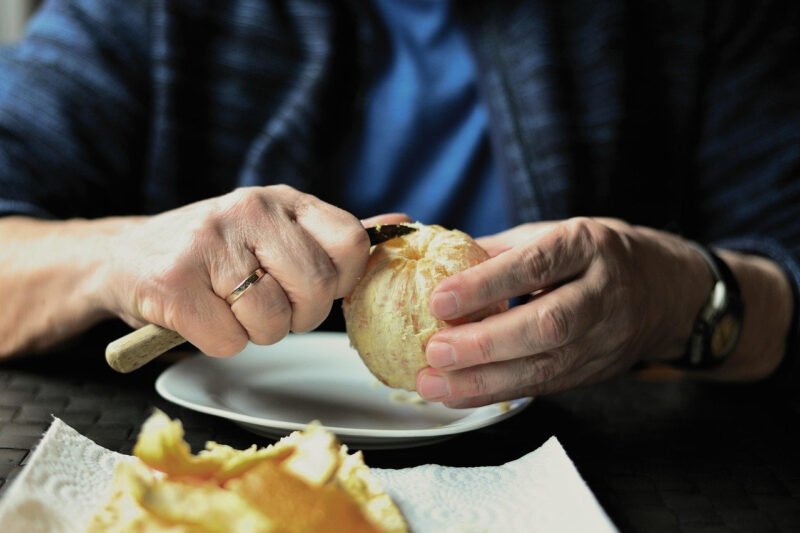
- Hold: Anchor the item you’re peeling with one hand. For example, hold an apple’s stem end on the cutting board while peeling downwards.
- Movement: Start at the top and gently slide the blade downwards, rotating the fruit as necessary to remove the skin efficiently.
- Tip: For fruits with a slippery surface, consider using a towel to stabilize them.
3. Deboning and Deveining
- Deboning: Use the pointed tip to separate the meat from the bone, carefully sliding the blade along the bone. Go slowly to avoid cutting yourself.
- Deveining Shrimp: Insert the paring knife into the shell’s base, then slowly slide it upward. When you reach the vein, lift it out gently.
Advanced Techniques
Once comfortable with basic techniques, try these advanced skills:
4. Creating Garnishes
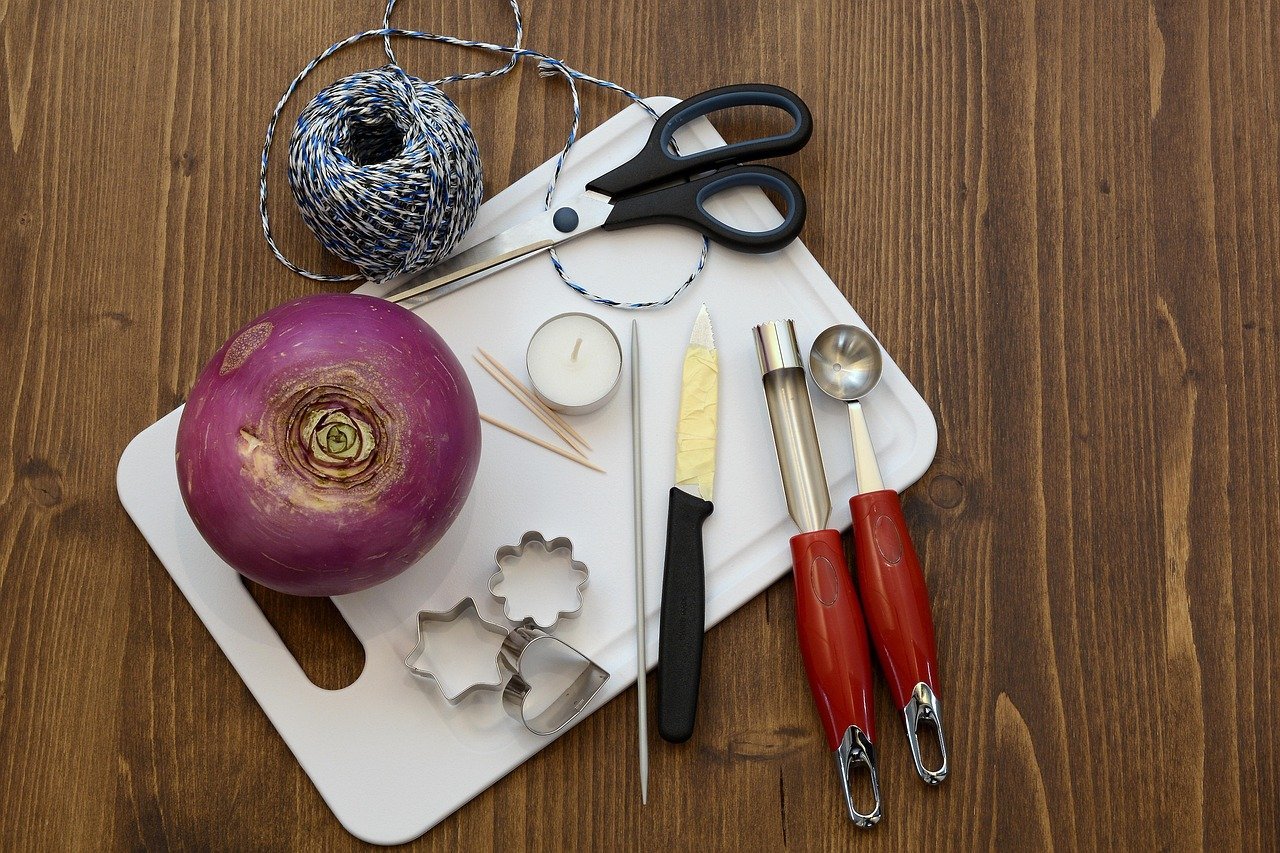
- Making Twists and Zests: For lemon zest, use the tip to gently scrape the outer peel without reaching the bitter white pith. Create attractive twists for cocktail garnishes or decoration.
- Slicing Vegetables: Using a paring knife to create julienne slices can enhance the presentation of your dishes. Steady the vegetable, then slice thinly, rotating it as needed.
5. Mincing Herbs
- Chop and Gather: After roughly chopping herbs, gather them into a pile using the knife’s blade.
- Rocking Motion: Use a gentle rocking motion to mince further, ensuring the knife’s cutting edge remains in contact with the cutting board.
Safety Tips
Using a paring knife with confidence requires understanding safety precautions:
- Sharpness: A sharp knife is safer than a dull one, as it requires less force. Regularly sharpen your knife to maintain its edge.
- Cut Away from Your Body: Always direct the blade away from your body and fingers to prevent accidental cuts.
- Focus: Pay attention to your cutting technique to avoid accidents. Distracted cutting can lead to injuries.
Maintenance of Your Paring Knife
Caring for your paring knife prolongs its lifespan and performance:
Cleaning: Handwash immediately after use with warm, soapy water. Avoid soaking in water, and never put your paring knife in the dishwasher, as this can dull the blade.
Drying: Dry your knife thoroughly before storing to prevent rust and corrosion.
Sharpening: Regular honing is key. Use a whetstone or honing rod as needed, depending on how frequently you use the knife.
Practicing with Purpose
Try these practical exercises to hone your skills with a paring knife:
Fruit Preparation: Take a variety of fruits like apples, citrus, and kiwi to practice peeling and slicing techniques.
Vegetable Prep: Work with different vegetables. Start with easy options like cucumbers for slicing and move on to more challenging vegetables like butternut squash.
Garnishing: Create a simple, visually appealing plate using the garnish techniques practiced.
Protein Prep: If available, practice deveining shrimp or deboning chicken thighs. The intricate nature of these tasks improves your precision.
Common Mistakes to Avoid
Avoiding common pitfalls when using a paring knife can save time and frustration:
Using Force: Rely on the knife’s sharpness, don’t apply excessive force while cutting. Always let the knife do the work.
Wrong Knife for the Job: Understand when to use a paring knife versus larger knives. For larger fruits or hearty vegetables, consider more robust options for efficiency.
Neglecting to Clean: Habitual improper cleaning can lead to rust and hygiene issues, affecting food safety.
Conclusion
A paring knife is not just about general utility; it’s about finesse, precision, and artistry in your culinary endeavors. With practice and attention to detail, the paring knife can become one of your favorite kitchen tools. Focusing on proper techniques and regular practice will make you more confident in your knife skills. Enjoy your culinary journey with this versatile tool!