


Top Features of Manual vs Electric Knife Sharpeners
Understanding Knife Sharpening Options
When it comes to maintaining the sharpness of kitchen knives, both manual and electric knife sharpeners have distinct features and benefits. Each type caters to different user preferences and skill levels. A comprehensive understanding of their characteristics can help you decide which option aligns best with your culinary needs.
Manual Knife Sharpeners
User Control
- Manual sharpeners provide enhanced control over the sharpening angle, allowing users to maintain their preferred edge angle. This is especially beneficial for those who regularly sharpen premium or specialty knives.
Portability
- Manual sharpeners are lightweight and compact, making them an ideal choice for camping or outdoor cooking. Easy to carry, they can fit in a drawer or be carried in a bag for on-the-go sharpening.
Affordability
- Generally, manual sharpeners are more budget-friendly than electric models. They represent a more economical choice for home cooks looking to maintain their knife’s edge without a significant investment.
Safety
- The risk of accidents is lower with manual sharpeners, where the user can control the pressure applied and the sharpening motion. This makes it a safer option, especially for those who may not be as experienced in knife sharpening.
Various Sharpening Techniques
- Chefs can employ various techniques and angles when using manual sharpeners. Whether using a whetstone, ceramic rods, or pull-through sharpeners, the versatility allows users to experiment with sharpening techniques.
Muscle Memory and Skill Development
- Using manual sharpeners helps develop muscle memory and honing skills. Regular interaction encourages further understanding of sharpening mechanics, which can enhance overall culinary execution.
Less Power Dependency
- Manual sharpeners do not require electricity or batteries, making them an optimal choice during power outages or outdoor adventures. This aspect elevates their reliability and usability in varied situations.
Environmentally Friendly
- With no electrical components, manual sharpeners are an eco-friendly option. They generate no energy consumption and have a lesser environmental impact, making them appealing to eco-conscious consumers.
Customization of Edge Finish
- Users can achieve specific edge finishes based on their techniques, whether opting for a razor-sharp edge or a more utilitarian blunt edge depending on the knife’s intended purpose.
Durability and Longevity
- Many manual sharpeners, particularly those made from high-quality materials, have a longer lifespan with proper care. They often require less maintenance than electric models, appealing to users seeking durability.
Electric Knife Sharpeners
Convenience and Speed
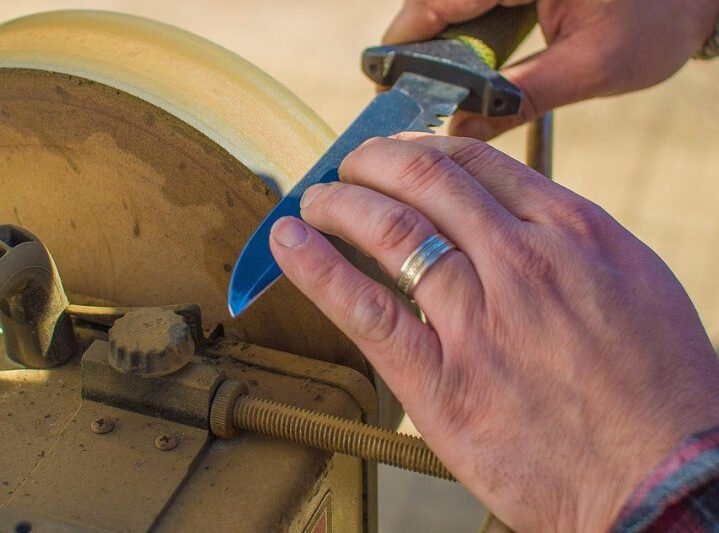
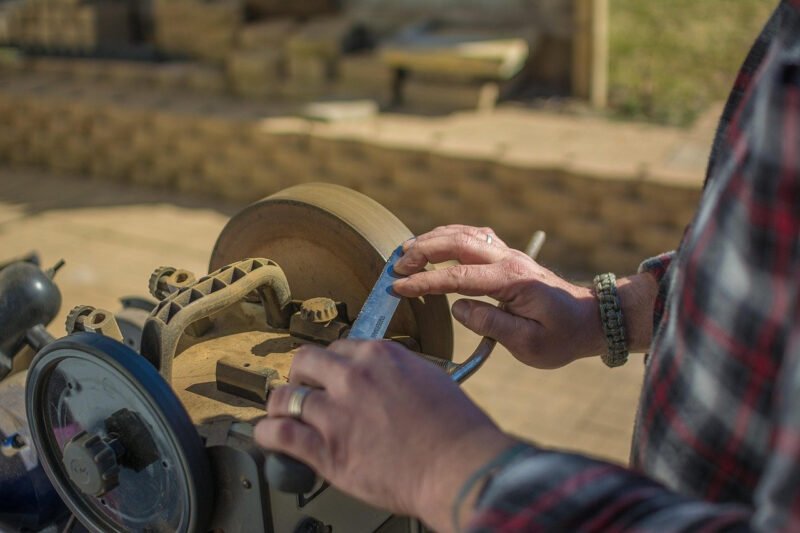
- Electric sharpeners allow for quick and effortless sharpening. With the ability to sharpen knives in seconds, they are ideal for busy kitchens where time efficiency is key.
Consistent Results
- Electric sharpeners have built-in angle guides that ensure consistent sharpening results, making them perfect for novice users who may not have the sharpening skills or experience needed to achieve a proper edge manually.
Multifunctionality
- Many electric sharpeners come with various functions, such as honing and polishing, reducing the need for multiple sharpening tools. This all-in-one utility can streamline the sharpening process.
User-Friendly Design
- Most electric sharpeners are designed with ease of use in mind. Users only need to follow simple instructions without the need for complex techniques, making them approachable for beginners.
Built-in Guides
- Electric knife sharpeners typically feature preset guides to optimize the sharpening angle, leading to professional-looking results without the guesswork involved in manual sharpening.
Variable Speed Settings
- Some advanced electric models allow users to adjust the speed and pressure of the sharpening mechanism, providing more control over the sharpening process for experienced users.
Material Compatibility
- Many electric sharpeners can accommodate various blade materials, including advanced steels, ceramics, and even serrated knives. This versatility makes them suitable for a wide range of kitchen tools.
Less Physical Effort
- For those with limited hand strength or mobility issues, electric sharpeners require minimal physical exertion compared to manual sharpeners. This ease of use supports a wider audience in maintaining kitchen knives.
Integrated Safety Features
- Modern electric sharpeners often include safety features such as automatic shut-off, which can be a significant advantage to prevent overheating or injury during operation.
Compact Designs for Storage
- While electric sharpeners may be larger than manual versions, many models boast sleek designs intended for convenient storage on kitchen countertops, making them accessible for regular use.
Maintenance and Care
Manual Sharpeners: Requires occasional cleaning and inspection, mainly for wear and tear. Users should check rods, stones, or blades for any signs of damage and replace components as necessary.
Electric Sharpeners: Typically require less maintenance but should be cleaned periodically to remove metal shavings and debris. Users must ensure that blades and wheels remain in proper working order for optimal performance.
Cost Considerations
Manual Sharpeners: Ranging from $10 to $100, these products appeal to budget-conscious consumers while still offering high-quality sharpening capabilities.
Electric Sharpeners: While the starting price can be higher (ranging from $50 to $300), many users find the convenience and swift results justify the investment for frequent knife users or professionals.
Conclusion on Choosing the Right Sharpener
When deciding between a manual and electric knife sharpener, consider your sharpening needs, proficiency, and kitchen usage habits. Manual sharpeners offer control, affordability, and skill development while electric sharpeners provide convenience, speed, and consistent results. Ultimately, the best choice depends on personal preferences and culinary practices.