

Understanding Different Types of Blade Sharpeners and Their Uses
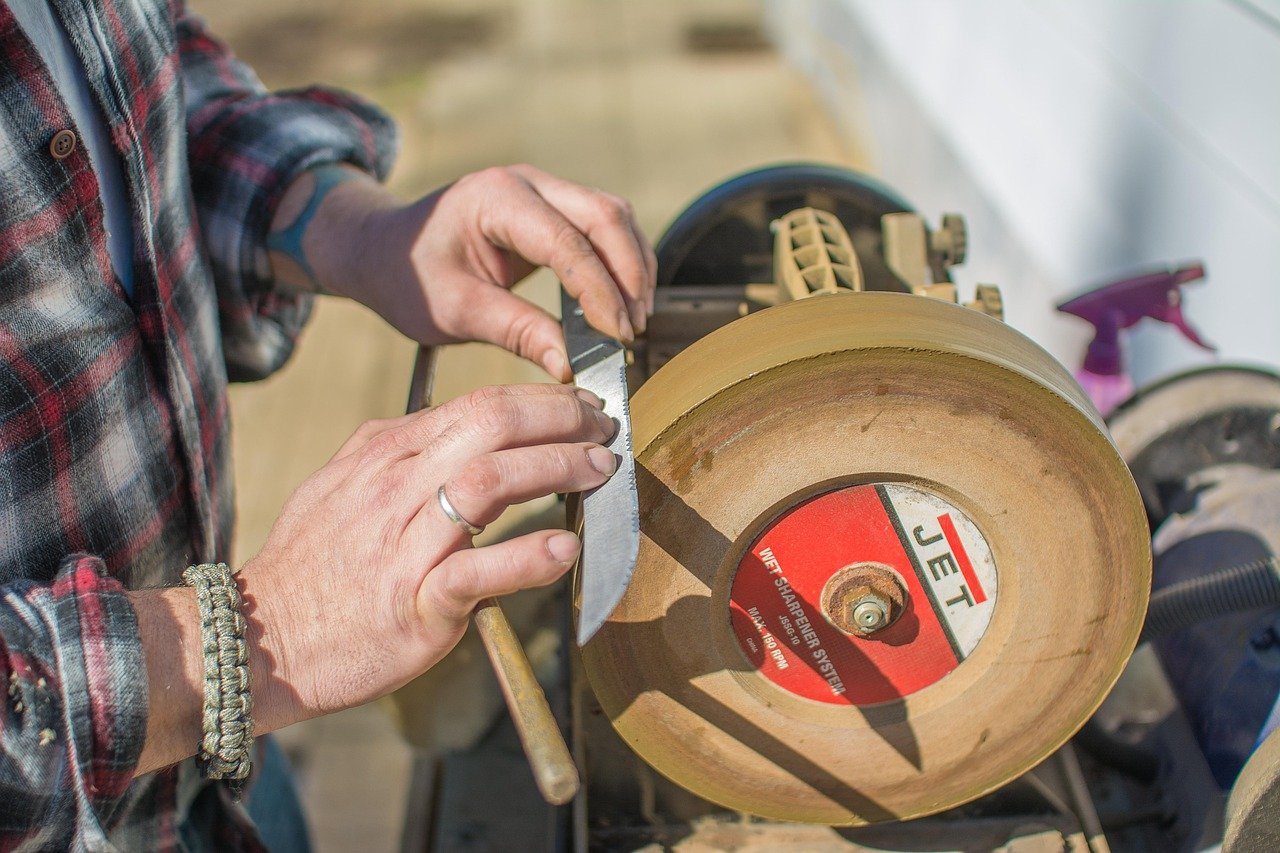
1. Manual Knife Sharpeners
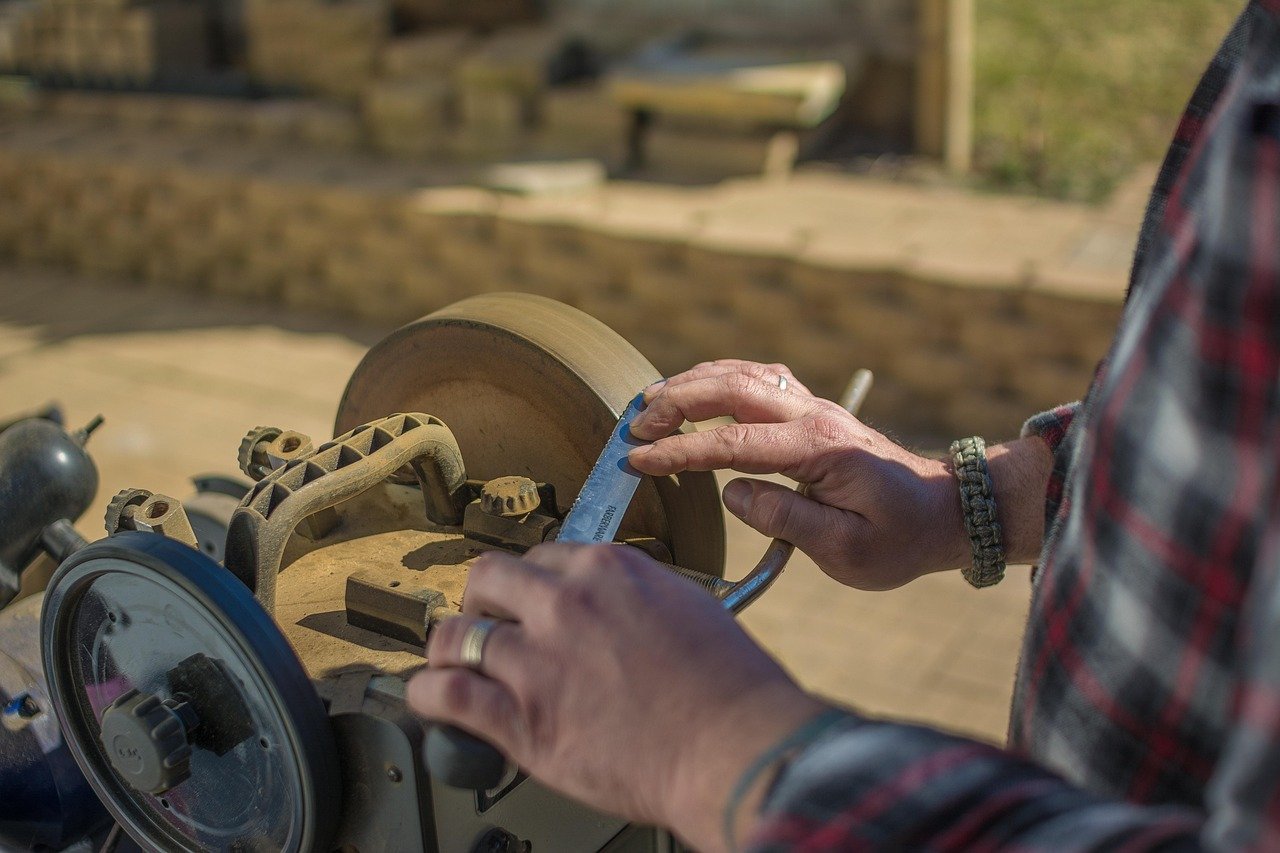
Manual knife sharpeners are user-operated tools that allow the owner to sharpen their blades without the aid of electricity. These sharpeners come in several forms, including whetstones, rods, and handheld devices.
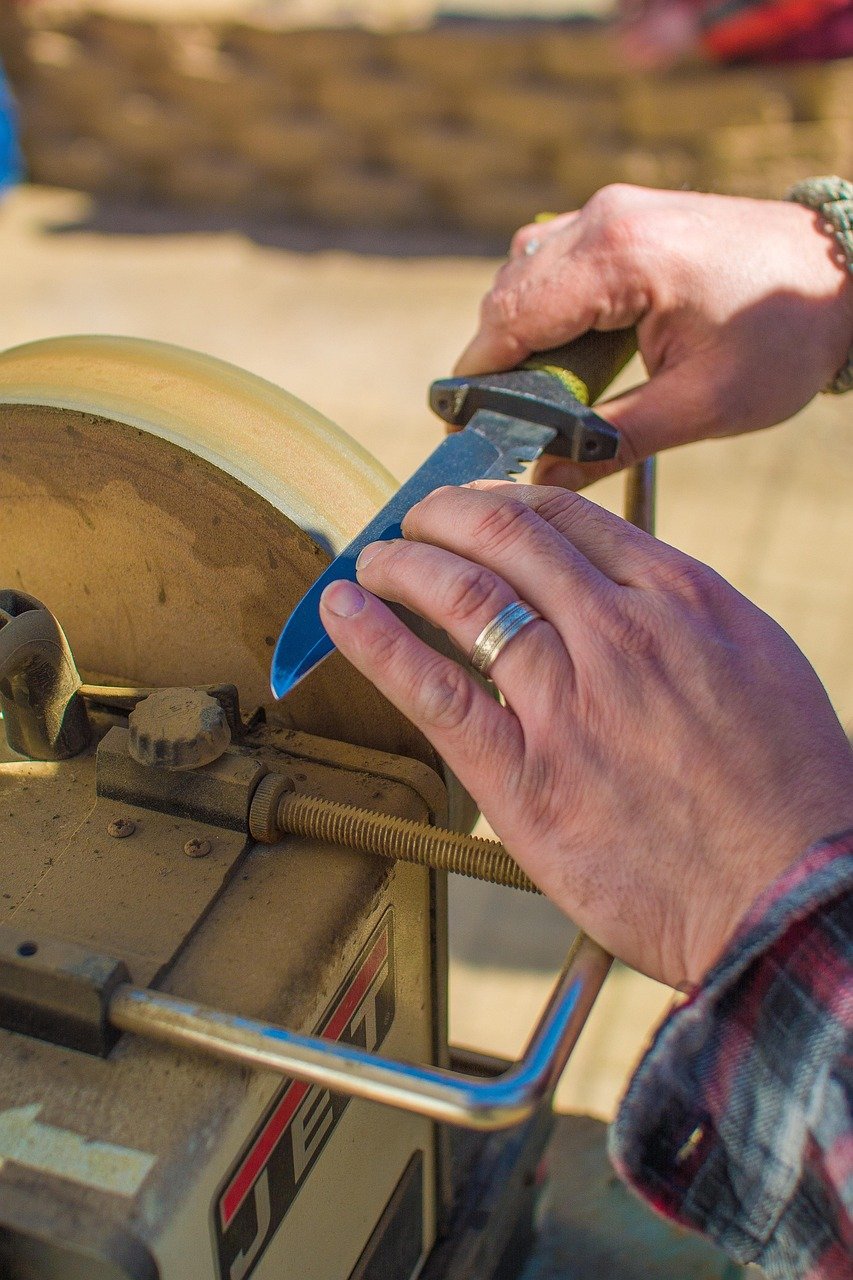
Whetstones
Whetstones are rectangular stones made of materials such as ceramic, diamond, or natural stone. Users wet the stone and slide the blade across it at a specific angle. The primary benefit of whetstones lies in their ability to achieve precise edge geometry, making them ideal for professional chefs and culinary enthusiasts.
Sharpening Rods
Sharpening rods, often made of steel, ceramic, or diamond-coated materials, can realign the blade’s edge rather than remove material. Users typically hold the rod vertically, dragging the blade down at a consistent angle. This method is handy for maintaining an already sharp knife between actual sharpening sessions.
Handheld Manual Sharpeners
These devices often have preset grinding angles and are easy to use. They generally consist of two coarsely textured surfaces that the user pulls the knife through. They are beneficial for casual cooks or those who are intimidated by more traditional methods.
2. Electric Knife Sharpeners
Electric knife sharpeners use motors to power polishing belts or grinding wheels, making it easy and quick to sharpen blades. These sharpeners are ideal for those who desire convenience and consistency.
Angle Precision
Most electric sharpeners come with built-in angle guides, allowing users to achieve sharp edges without needing significant sharpening experience. This feature ensures that the knife is sharpened at the correct angle, which is paramount for maintaining the blade’s integrity and function.
Speed and Efficiency
Electric sharpeners can sharpen blades much more quickly than their manual counterparts, typically in just a few minutes. However, they may not provide the same level of precision, making them better suited for home cooks rather than professional chefs.
3. Guided Sharpening Systems
Guided sharpening systems are a hybrid between manual systems and electric sharpeners. They feature adjustable fixtures that hold the blade at a set angle while the user sharpens it. This category includes devices such as the Wicked Edge or Edge Pro.
Precision and Consistency
The main advantages of guided sharpeners are precision and consistency. By keeping the blade at the correct angle, users can achieve optimal sharpness without the guesswork. These systems are often favored by enthusiasts who are willing to invest time for the perfect edge.
4. Specialty Blade Sharpeners
Some sharpeners are specifically designed for certain types of blades or tools. These include sharpeners for serrated knives, scissors, and even specialized tools like chisels.
Serrated Knife Sharpeners
Serrated knives, with their unique edges, require specific sharpening techniques. Sharpeners designed for these knives typically feature a tapered rod or a special slot that accommodates the shape of the serration. This makes it easier to reach the individual serrations and restore their sharpness.
Scissor Sharpeners
Scissor sharpeners usually come in two types: those that take the form of a handheld device to realign the blades and dedicated sharpeners that create an edge. User-friendly and efficient, these tools are essential for keeping household scissors functional.
Chisel Sharpeners
Chisels require a specific edge for woodworking tasks, and sharpness can significantly affect performance. Specialized chisel sharpeners come in both manual and electric forms, often featuring features that ensure the proper bevel is maintained.
5. Diamond Sharpeners
Diamond sharpeners utilize a diamond-coated surface, which allows for the rapid removal of material from the blade. They are available in a variety of forms, including rods, plates, and handheld models.
Durability
Diamond sharpeners are known for their durability, as diamonds are one of the hardest materials. They can be used to sharpen a wide range of blade types and materials, making them versatile for culinary and outdoor tools.
Effectiveness
The effectiveness of diamond sharpeners is notable, as they can quickly sharpen even hardened steel blades. They are often used in professional settings where speed and efficiency are paramount.
6. Ceramic Sharpeners
Ceramic sharpeners consist of a hard ceramic material that provides a fine edge to the blade. While they do not remove as much material as diamond sharpeners, they are effective for maintaining the sharpness of already well-honed edges.
Edge Polishing
Ceramic sharpeners excel at polishing edges, making them a popular choice for those who regularly use high-quality knives. Their fine grit creates a sharp finish, ideal for professional-grade culinary tasks.
Longevity
Ceramic sharpeners do not wear out quickly, making them a long-term investment for anyone committed to maintaining sharp blades.
7. Factors to Consider When Choosing a Sharpener
Choosing the right sharpener involves considering several factors.
Blade Type
Different types of knives and tools require unique sharpening techniques. For instance, a chef’s knife may require a whetstone, while a serrated knife benefits from a specialty sharpener.
Experience Level
For beginners, handheld sharpeners or electric options are typically the easiest to use. More experienced users may prefer whetstones or guided systems for their ability to create a precision edge.
Frequency of Use
Consider how often you will sharpen your blades. Those who cook frequently may want a more robust sharpening solution, such as electric sharpeners or guided systems, while occasional cooks could rely on manual sharpeners.
Budget
Sharpeners vary greatly in price, with electric options generally costing more than manual ones. Assess your budget and the importance of your blade maintenance before making a purchase.
8. Maintenance of Sharpeners
Proper maintenance of sharpeners ensures their longevity and effectiveness.
Cleaning
Regular cleaning is essential, especially for manual and electric sharpeners. Tools should be free of metal shavings and debris to maintain their performance.
Storage
Sharpeners should be stored in a safe place to prevent damage, and users should avoid exposing them to moisture to prevent rusting or degradation.
Replacement Parts
Some sharpeners come with replaceable components that need periodic replacement. Ensuring you have access to these parts is crucial for maintenance.
9. Safety Tips for Using Sharpeners
When using any form of sharpener, it is crucial to adopt safe practices to prevent injury.
Proper Grip
Always maintain a sturdy grip on either the knife or the sharpener. This ensures greater control and decreases the likelihood of accidents.
Stay Focused
Sharpening requires concentration. Avoid distractions to maintain control of the knife and sharpener.
Use Protective Gear
Wearing cut-resistant gloves can provide an added layer of safety, especially when using manual sharpeners.
By understanding the different types of blade sharpeners and their uses, users can make informed decisions that enhance their sharpening experience and ensure their tools remain in optimal condition.