


Understanding Knife Sharpness
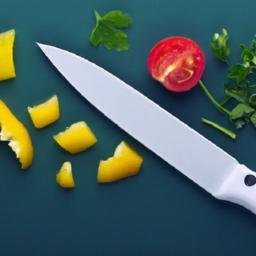
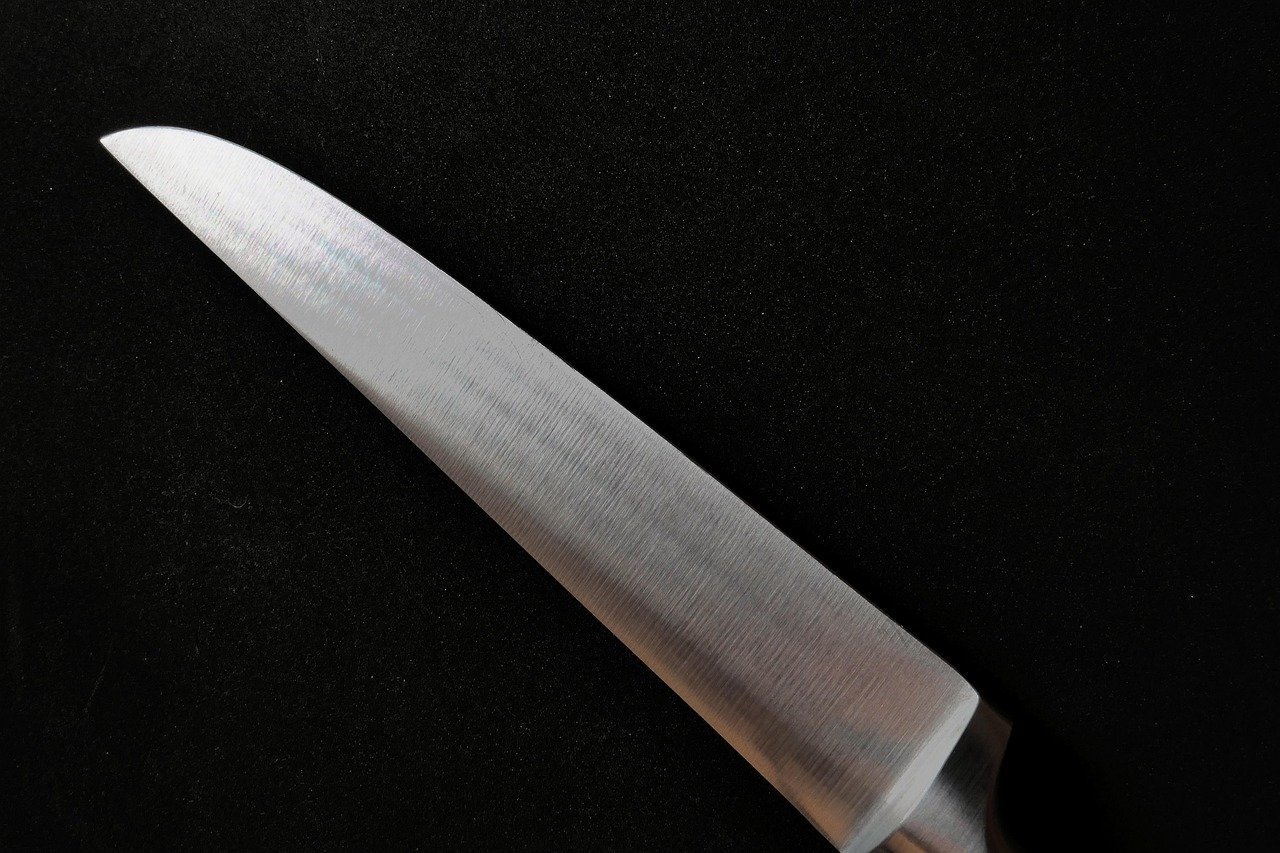
A sharp knife is not just a kitchen tool; it’s a lifesaver. Sharp knives require less force, reducing the risk of slipping and cutting oneself. They enhance precision in cutting and minimize food bruising, which preserves flavors and textures. A dull knife, by contrast, requires more pressure, leading to accidents and uneven cuts.
Why Knife Maintenance Matters
Regular maintenance, including honing and sharpening, extends the life of your knives, making them more effective and safe. Failing to maintain your knives can lead to damage and unsatisfactory cooking experiences. Keeping your blades in top condition ensures that you’re ready to tackle any culinary task with ease.
Tools for Sharpening Knives
1. Whetstones
Among the most traditional and respected methods for sharpening knives, whetstones offer versatile grit levels, allowing for both coarse sharpening and fine honing. Typical grits for household use range from 400 (coarse) to 6000 (polished).
Usage Tips:
- Soak the stone for about 10-15 minutes before use.
- Maintain a consistent angle (usually around 20 degrees) while rubbing the blade against the stone.
2. Honing Rods
Honing rods are designed for realigning the edge of a knife rather than sharpening it. Although they won’t remove metal, they can maintain an edge effectively between sharpening sessions.
Usage Tips:
- Hold the honing rod vertically and draw the knife downwards and across the rod at a slight angle.
- Alternate sides after each pass to ensure even honing.
3. Electric Sharpeners
Electric sharpeners offer a convenient solution for achieving a sharp edge quickly. They typically feature multiple settings for different knife types and angles.
Usage Tips:
- Make sure the knife is clean and dry before sharpening.
- Always follow the manufacturer’s instructions to avoid damaging the blade.
Steps to Sharpen a Knife
Step 1: Prepare Your Workspace
A clean, well-lit area is essential for knife sharpening. Use a non-slip surface or a cutting board to hold your sharpening tool. Having a damp cloth can help stabilize whetstones or sharpeners securely.
Step 2: Choose the Right Angle
Maintaining a consistent angle during sharpening is crucial. For most kitchen knives, a 15 to 20-degree angle is ideal. If you’re unsure, check the manufacturer’s specifications or consult a sharpening guideline.
Step 3: Sharpening with a Whetstone
- Coarse Grit: Start with the coarse side of a whetstone. Begin at the heel of the knife and press the blade into the stone, dragging it towards you while maintaining the angle.
- Even Pressure: Use even pressure as you move the knife from heel to tip. Repeat this process about 5-10 times on each side.
- Fine Grit: Flip the stone to the fine grit side and repeat the sharpening process to refine the edge further.
Step 4: Moving to the Honing Rod
After sharpening, use a honing rod to maintain the sharp edge. Holding the rod vertically, align the knife at the correct angle and draw the blade across the rod. Repeat this step several times on each side.
Step 5: Clean and Dry
Once sharpening is complete, rinse the knife under warm water and dry it thoroughly with a clean cloth. Avoid leaving knives wet, as this can lead to corrosion.
Tips for Maintaining Knife Sharpness
- Use the Right Cutting Board: Opt for wood or plastic boards, which are gentler on knife edges compared to glass or stone boards.
- Store Properly: Use blade guards, magnetic strips, or knife blocks to store knives safely. Avoid tossing your knives in a drawer.
- Avoid Dishwashers: Dishwashing can dull knife edges, so hand wash and dry them instead.
- Limit Cutting on Hard Surfaces: Avoid cutting through hard materials like frozen foods or bones, which can chip or damage the blade.
Signs That Your Knife Needs Sharpening
- Resistance: If the knife struggles to slice through vegetables or meats, it’s time for sharpening.
- Jagged Edges: Inspect the blade under bright light for any visible nicks or irregularities in the edge.
- Dull Slicing: If the knife fails to slice through paper cleanly or easily, it indicates dullness.
Frequently Asked Questions
Q: How often should I sharpen my knives?
A: It largely depends on usage. If you cook daily, you might sharpen every few weeks, while casual users can do it every few months.
Q: Can I use a sharpening stone on all knife types?
A: Most sharpening stones are suitable for stainless steel and high-carbon knives. However, specialty knives like ceramic may require different tools.
Knife Types Explained
Chef’s Knife: Versatile and suitable for a variety of tasks, from chopping vegetables to slicing meat.
Paring Knife: Perfect for intricate tasks like peeling fruits or deveining shrimp due to its small size.
Bread Knife: Features a serrated edge, making it ideal for slicing through bread without crushing it.
Understanding the different types of knives you own will guide your sharpening strategy, ensuring each tool maintains its optimal function.
The Role of Knife Steel
Knife steel plays a significant role in blade longevity. High-carbon stainless steel is known for its durability and retains a sharp edge longer than cheaper alternatives. Understanding the quality and type of steel your knives are made from will guide you in selecting the best sharpening tool and method.
Conclusion
Incorporating these essential tips for knife sharpening into your kitchen routine is crucial for maintaining both safety and efficiency. Enjoy sharp knives as powerful tools that enhance your culinary experience and contribute to better cooking outcomes. The investment in time and effort will pay dividends in ease of food preparation and overall cooking satisfaction.