


When it comes to maintaining kitchen knives, the importance of a good blade sharpener cannot be overstated. A well-honed knife enhances cooking efficiency, improves food presentation, and ensures safety by preventing accidents. Choosing the right sharpener is crucial, as there are various types available, each with its unique features and methods. Here are essential factors to consider when selecting the best blade sharpener for your kitchen.
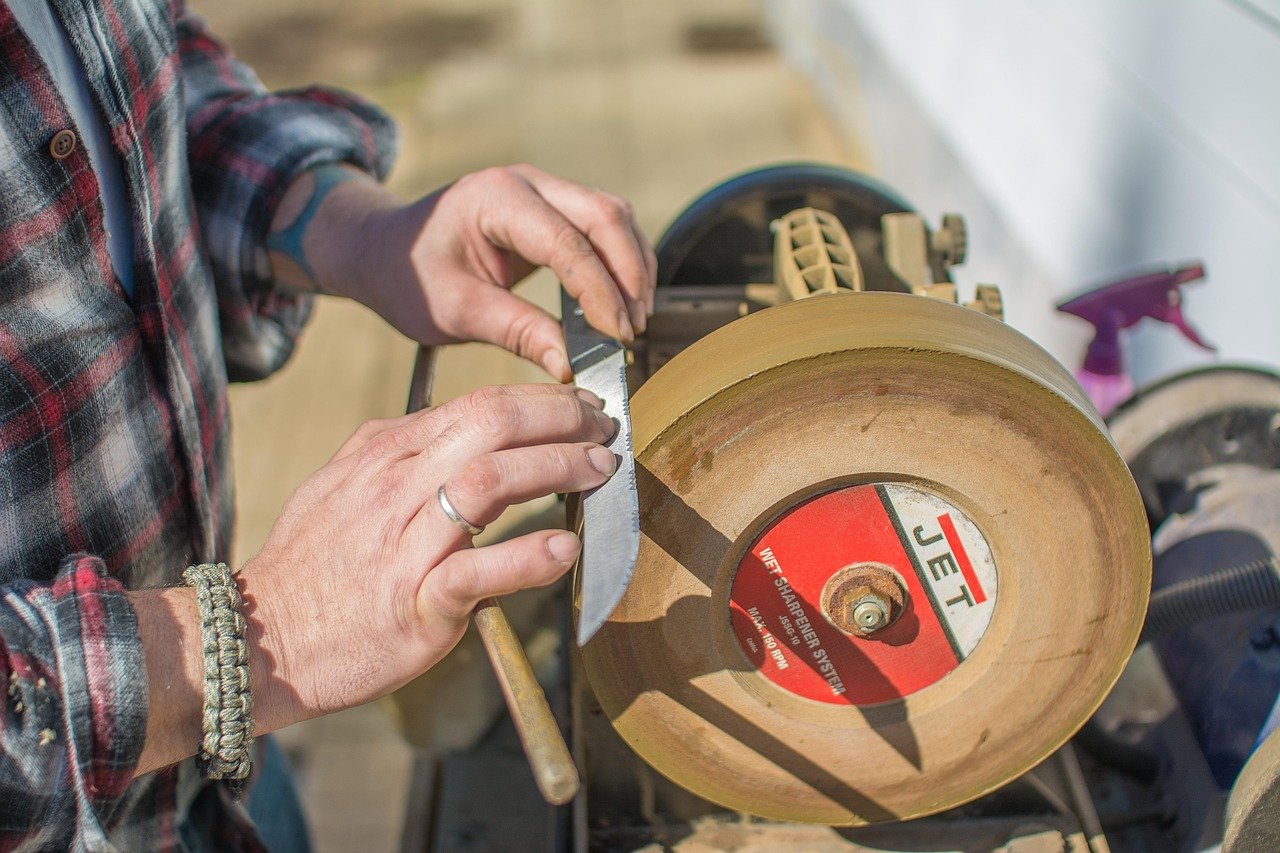
Types of Blade Sharpeners
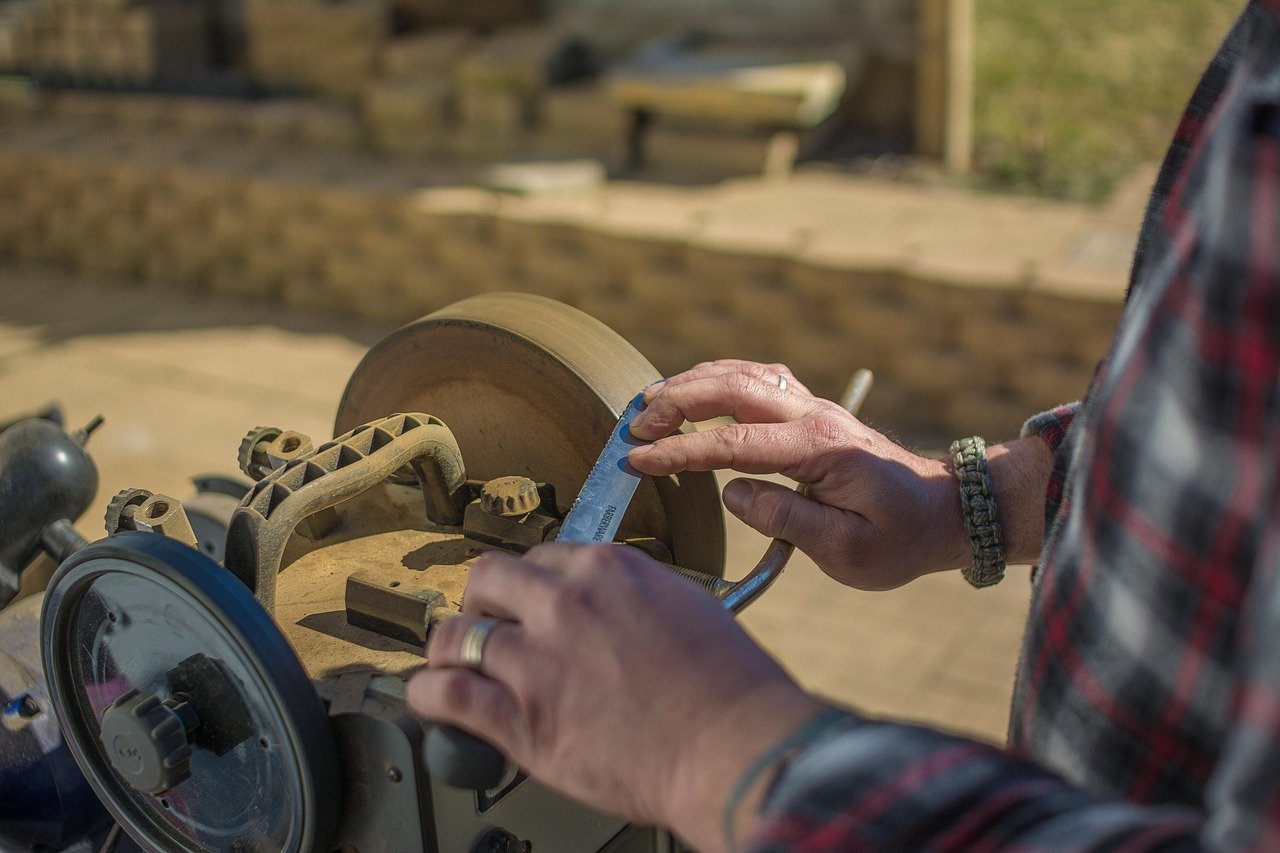

Manual Whetstones
- Description: Traditional whetstones, or sharpening stones, require skill and technique.
- Pros: Exceptional for achieving a fine edge; customizable sharpening angles.
- Cons: Requires practice; can be time-consuming.
- Best for: Professional chefs or home cooks who prefer a hands-on approach.
Electric Sharpeners
- Description: Appliances that sharpen knives automatically with the push of a button.
- Pros: Fast and efficient; consistent results; user-friendly.
- Cons: Can be expensive; may remove more metal than necessary, shortening the knife’s lifespan.
- Best for: Busy home cooks looking for convenience.
Manual Pull-Through Sharpeners
- Description: Designed with slots containing sharpeners for ease of use.
- Pros: Compact; easy to store; suitable for a quick touch-up.
- Cons: Limited angle precision; often not suitable for high-end or specialty knives.
- Best for: Casual cooks who need quick maintenance.
Honing Rods
- Description: Long, rod-like tools used to realign blade edges.
- Pros: Maintains sharpness; quick and easy to use.
- Cons: Does not sharpen the blade; primarily for maintenance.
- Best for: Anyone who frequently uses their knives and wishes to maintain them.
Features to Consider
Sharpening Angles
- Different knives require specific sharpening angles. Japanese knives, for instance, often require a 15-degree angle, while Western-style knives are closer to 20 degrees. Ensure your chosen sharpener accommodates the angles of your knives.
Grit Levels
- Whetstones come in varying grit levels. Coarse grit (200-600) is for dull blades, medium grit (800-1500) is for regular sharpening, and fine grit (2000+) is for polishing. Be aware of your sharpening needs to select the correct grit.
Material Quality
- Consider the sharpener’s construction. High-quality materials provide durability and effectiveness. Stainless steel, diamond-coated surfaces, and synthetic ceramics are reputable choices.
Ease of Use
- Depending on your skill level, some sharpeners may be easier to handle than others. If you’re a beginner, an electric or pull-through sharpener may be the best option for simplicity.
Size and Storage
- Think about your kitchen space. If you have limited counter space, a compact, portable option might suit your needs better. Larger models may offer superior features but require more room.
Price Range
- Budget Options: Simple pull-through sharpeners can range from $10 to $30. They are suitable for casual cooks and infrequent use.
- Mid-Range Sharpeners: Expect to spend between $30 and $100 for quality manual or electric sharpeners.
- Premium Sharpeners: Professional-grade whetstones or electric models can be priced from $100 to over $300, ideal for serious cooking enthusiasts or professional chefs.
Brand Reputation and Reviews
Research brands known for their quality. Popular brands like Chef’sChoice, Wüsthof, and Lansky have garnered trust and positive feedback. Reading customer reviews and professional assessments helps gauge the sharpener’s performance and reliability.
Safety Features
Safety should never be overlooked. Ensure that the sharpener has protective features, such as non-slip bases for stability or guards to prevent finger injuries while sharpening.
Maintenance and Care
Think about how much maintenance each sharpener requires. Whetstones often need soaking before use, while electric sharpeners may need occasional cleaning. If you prefer low-maintenance options, consider models that are easy to wipe down and store.
Warranty and Customer Support
An extended warranty can indicate a manufacturer’s confidence in their product. Good customer support is also essential. If you run into issues or have questions about your sharpener, responsive service is invaluable.
Conclusion
Choosing the best blade sharpener for your kitchen is a multifaceted process that requires consideration of various factors. By understanding the types of sharpeners available and evaluating their features, you can select a tool that fits your needs and enhances your culinary experience. Always prioritize personal preferences, budget constraints, and the types of knives you own to find the perfect fit for your kitchen arsenal.