

Understanding the Anatomy of a Pocket Knife
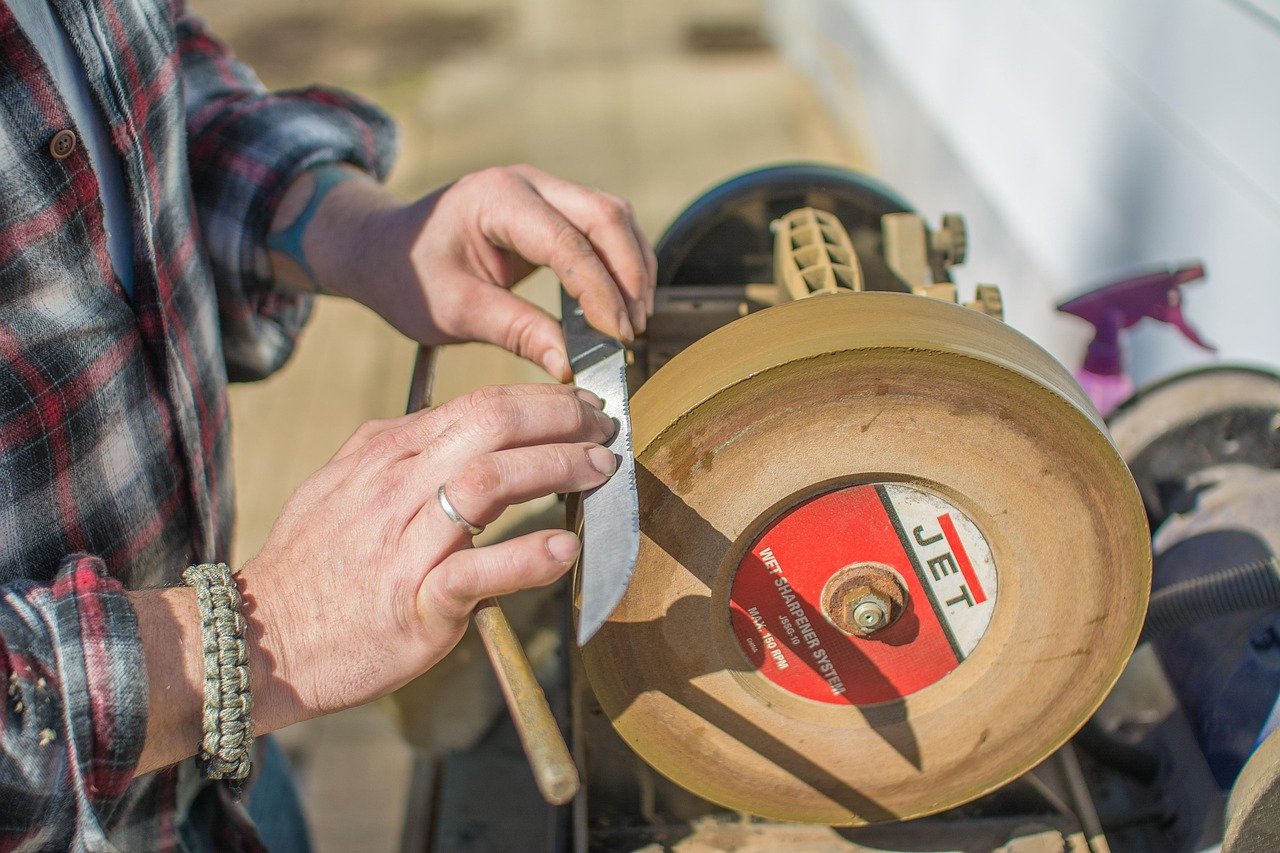
Before you sharpen your pocket knife, it’s crucial to understand its anatomy. A typical pocket knife consists of the blade, handle, pivot point, and edge. The blade can be made of various materials, such as stainless steel, carbon steel, or high-performance alloys. Knowing which material your blade is made from will help you choose the proper sharpening technique and tools.

Importance of a Sharp Pocket Knife
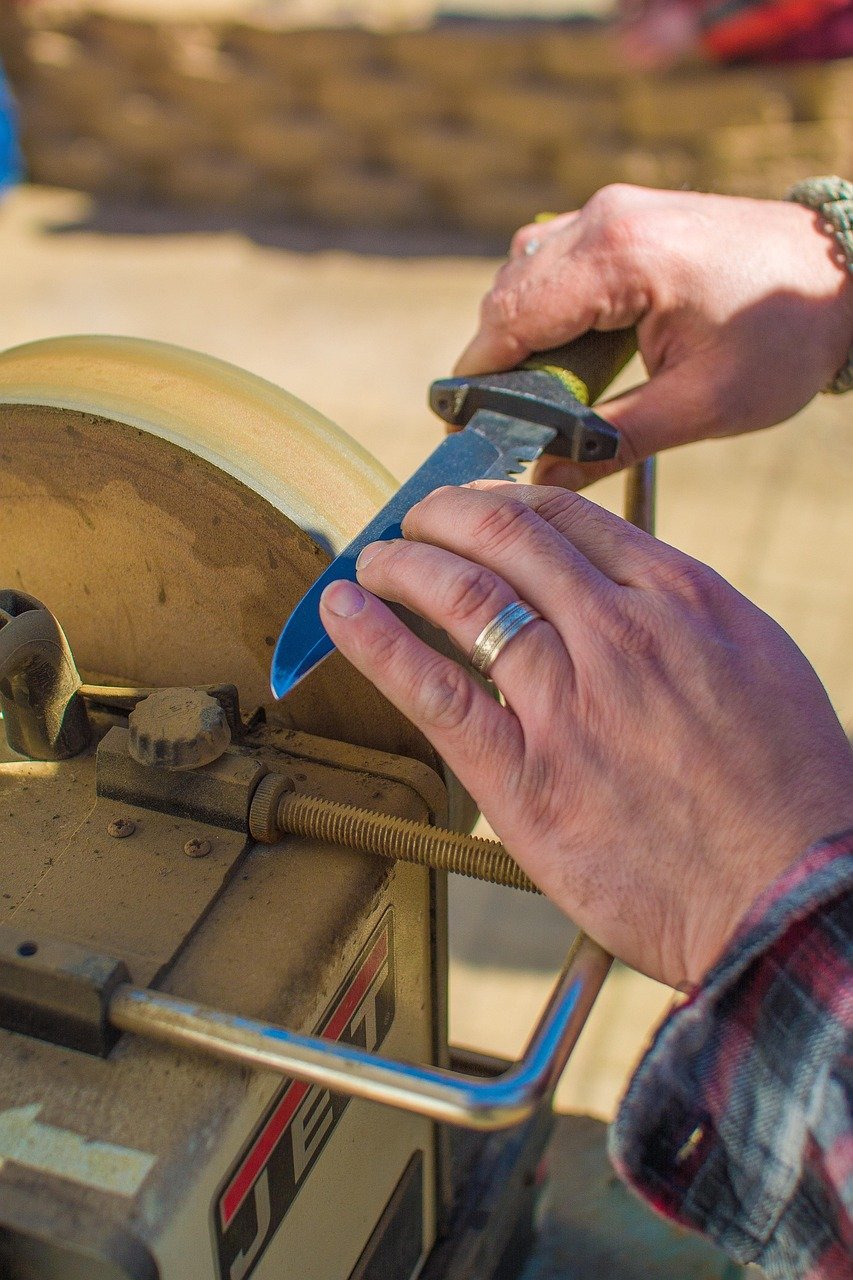
A sharp pocket knife is not only safer but also far more efficient. Dull blades can slip and cause injury or require excessive force, resulting in accidents. Sharpening your knife regularly not only extends its life but ensures better performance in everyday tasks.
Tools Needed for Sharpening
Whetstone: A whetstone is a flat stone used for sharpening knives. They come in various grits, typically ranging from coarse (around 200-grit) to very fine (up to 8000-grit). A double-sided whetstone offers both coarse and fine sides for different sharpening stages.
Honing Rod: A honing rod is a long, cylindrical tool made of metal or ceramic that helps align the knife’s edge. It’s best used for routine maintenance.
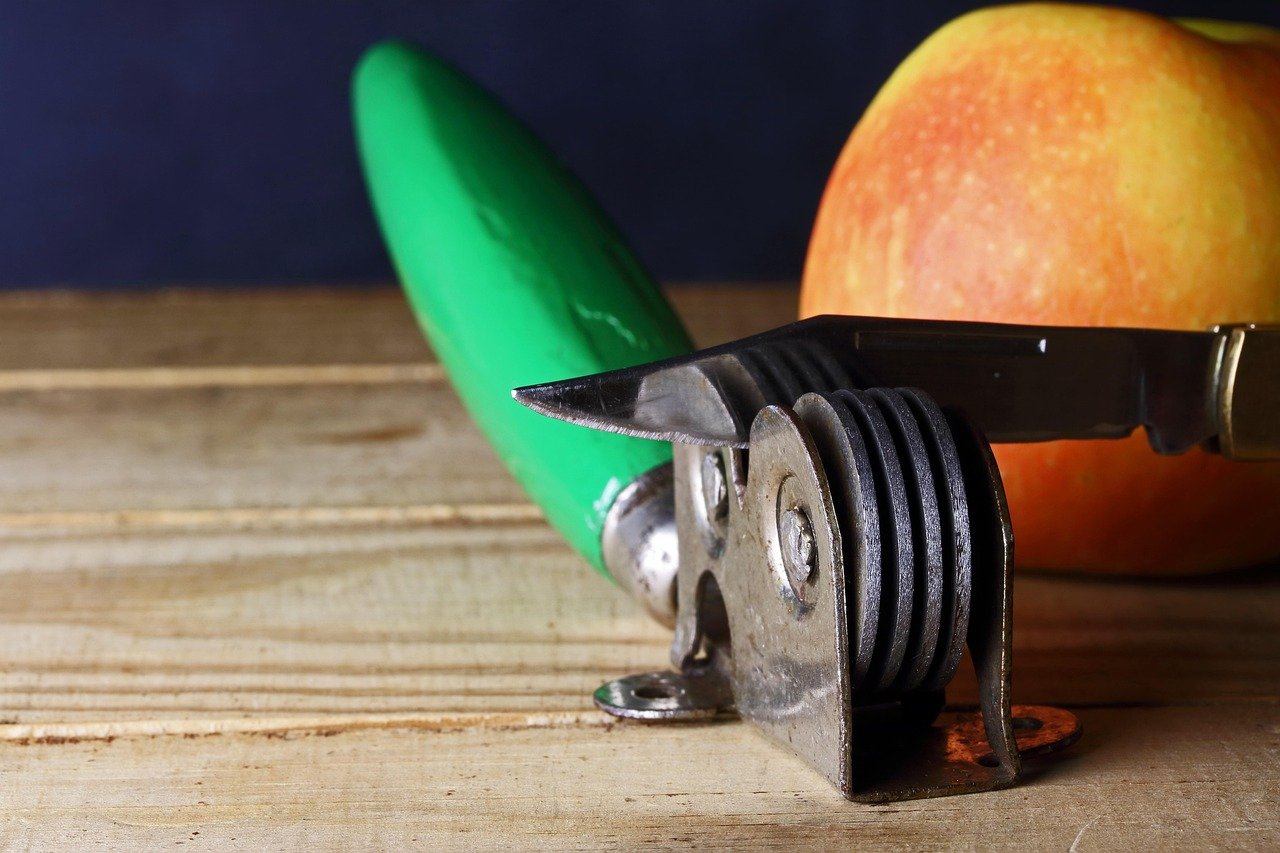
Knife Sharpener: These can be electric or manual. Electric sharpeners tend to be quicker but can remove more material than necessary. Manual sharpeners often come with guides to help maintain an optimal angle.
Leather Strop: A leather strop is great for polishing the edge after sharpening. It can remove microscopic burrs and refine the edge for a razor-sharp finish.
Cloth and Water (or Oil): Keep a clean cloth handy for wiping the blade after sharpening, and use water or oil according to the type of whetstone you are using.
Preparing to Sharpen
Clean Your Knife: Begin by thoroughly cleaning your knife. Use a cloth to wipe away dirt, grime, and residue. A clean knife will provide better results and prevent unwanted scratching during the sharpening process.
Choose the Right Angle: Most pocket knives require a sharpening angle between 15 to 20 degrees. A smaller angle results in a sharper edge, while a larger angle produces a more durable edge.
Secure Your Whetstone: Place your whetstone on a flat, stable surface. Some whetstones come with a non-slip base, but if yours does not, consider using a damp cloth underneath to keep it in place.
Sharpening Techniques
Using a Whetstone
Coarse Grind: Start with the coarse side of your whetstone. Wet the stone with water or oil and position the blade at the correct angle.
Stroke Method: Using a sweeping motion, slide the blade across the stone, starting from the heel and moving toward the tip. Apply light pressure and be consistent in your strokes.
Repeating the Process: Sharpen each side of the blade for about 10-15 strokes. Regularly check the edge for sharpness.
Fine Grind: Flip the whetstone to the fine side and repeat the same process. This step polishes the edge and eliminates any roughness left from the coarse side.
Using a Honing Rod
Position the Rod: Hold the honing rod vertically with the tip resting on a stable surface.
Angle the Knife: Hold the knife at a 15 to 20-degree angle against the rod.
Honing Motion: Start from the heel of the blade and draw it downward across the rod to the tip. Repeat this stroke for about 5-10 times on each side.
Polishing the Edge
After sharpening, a leather strop can help refine the edge further.
Attach the Strop: Hold the strop vertically or lay it flat.
Stropping Motion: With the blade facing away from you, draw the edge of the knife along the strop in a backward motion. Repeat for about 10 strokes on each side.
Wipe the Blade: Use a clean cloth to wipe away any remaining metal shavings.
Safety Precautions
- Secure Your Work Area: Ensure your work surface is clean and clutter-free.
- Cut Away from Yourself: Always direct the blade away from your body to avoid injuries.
- Maintain a Firm Grip: Hold the knife securely to prevent slipping while sharpening.
Troubleshooting Common Issues
Burr Formation: If you notice a burr on one side of the blade, it may indicate that you need to sharpen the other side properly. Ensure you’re applying even pressure.
Uneven Edge: If your knife feels uneven after sharpening, adjust your angle slightly and work on that area until you achieve a consistent edge.
Difficulty Sharpening: If your knife is very dull and challenging to sharpen, consider starting with a coarser tool or sharpening system designed for significantly damaged blades.
Maintenance Tips
Regular Checks: Regularly inspect your knife’s edge for dullness and sharpen as needed, ideally before it gets too dull to ensure ease and safety.
Lubrication: Oil moving parts, like the pivot point, to keep them in optimal condition.
Proper Storage: Store your pocket knife in a manner that protects the blade, such as in a sheath or a dedicated knife case.
Conclusion
Maintaining a sharp pocket knife is essential for safety, efficiency, and longevity. By employing the right tools and following the techniques outlined, you can ensure your knife remains in prime condition, ready for any task you may encounter.