


Understanding Knife Sharpness
Knife sharpness is fundamental in any kitchen. A sharp knife not only eases the cooking process but also enhances safety. A dull knife requires more force to cut through food, which increases the risk of slipping and causing accidents.
The Dangers of Dull Knives
Using dull knives poses significant risks. According to a study by the National Safety Council, knife-related injuries are more common than one might expect. Sharp knives are safer because they slice through food with minimal pressure. In contrast, a dull knife requires the cook to exert additional force, often resulting in slips and accidental nicks or cuts.
Improved Efficiency in Food Preparation
When knives are regularly sharpened, food preparation becomes faster and more efficient. A sharp blade glides through meat, vegetables, and herbs effortlessly, reducing prep time. This efficiency can be especially useful in a professional kitchen where time is money and busy chefs depend on the performance of their tools.
Enhanced Flavor and Presentation
Sharp knives ensure clean cuts, which contribute to better flavor and presentation. When slicing meats, for instance, a clean cut helps retain the juices, maximizing flavor. Vegetables sliced with a sharp knife maintain their integrity without bruising, allowing for superior presentation in dishes. This attention to detail is particularly important in fine dining and culinary competitions.
Precision in Cooking Techniques
Certain cooking techniques require precision that can only be achieved with sharp knives. Techniques like chiffonade, julienne, and brunoise rely on the ability to make clean, even cuts. Inaccurate cuts can affect both cooking times and flavors, which is particularly crucial when recipes call for specific sizes for even cooking.
The Lifespan of Kitchen Knives
Regular sharpening can extend the lifespan of kitchen knives. When knives are consistently kept sharp, they experience less wear and tear. A dull blade often needs more aggressive sharpening, which can remove excessive material and affect the knife’s overall design and balance. Routine maintenance minimizes such risks and preserves the investment in quality kitchen tools.
Cost-Effectiveness
Quality knives can be a significant financial investment. Regular sharpening preserves their value by prolonging their lifespan. Instead of replacing a dull knife, investing in proper honing and professional sharpening can lead to considerable savings. It’s essential to remember that a well-maintained knife is an asset that pays dividends in quality and performance over time.
Different Knife Sharpening Techniques
Several methods can achieve a sharp edge on your knives:
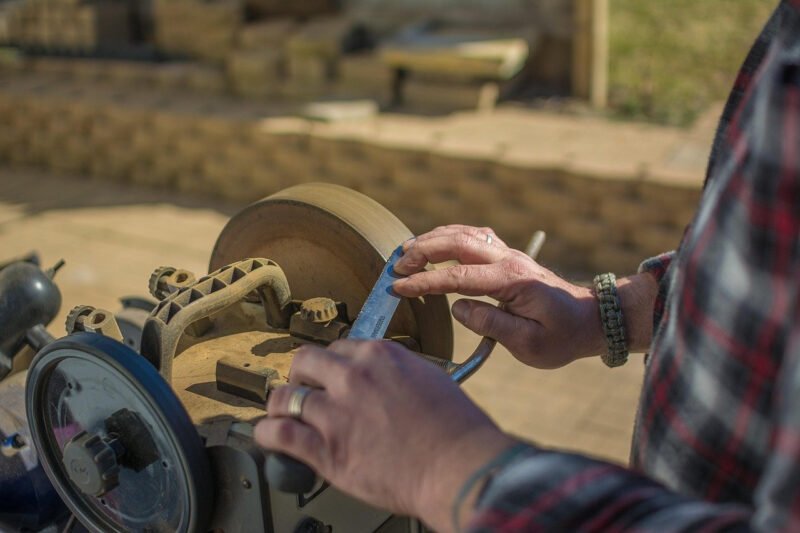
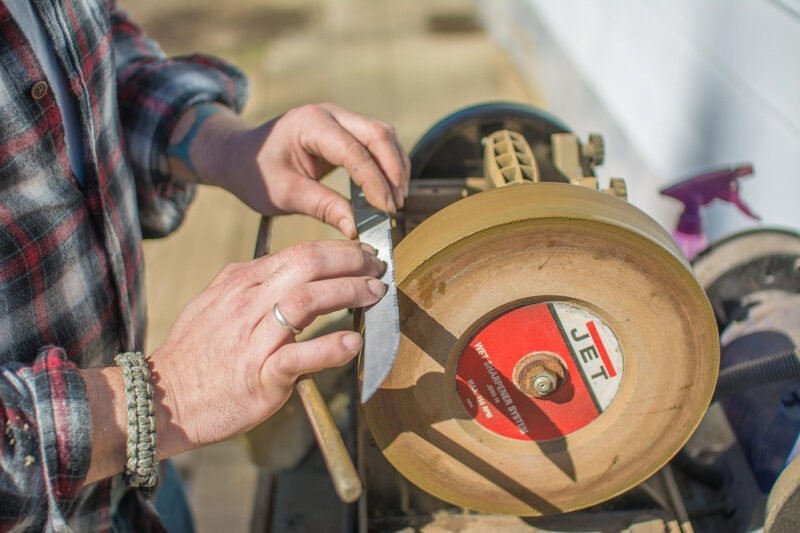
Whetstone Sharpening
- A whetstone allows for precise control when sharpening, accommodating various angles. The process requires practice but can yield excellent results.
Manual Pull-Through Sharpeners
- These are user-friendly devices that can quickly sharpen blades. However, they may not be suitable for all knife types, as they can create uneven edges.
Electric Knife Sharpeners
- Electric options offer convenience, featuring guided slots for knives. They’re efficient, but care must be taken to avoid over-sharpening.
Professional Sharpening Services
- When in doubt, professional services can rejuvenate even the dullest knives. They use advanced techniques and tools to ensure knives are expertly sharpened.
The Importance of Proper Storage
While regular sharpening is critical, proper storage also plays a significant role in maintaining knife sharpness. Knives should be stored in a way that protects the blade. Using magnetic strips, knife blocks, or sheaths keeps knife edges from dulling due to contact with other tools or surfaces. Additionally, keeping knives out of dishwashers can prevent chipping and dulling.
The Role of Honing
Regular honing should not be overlooked. Honing realigns the microscopic teeth on the edge of the blade. This process can be done frequently without removing material from the knife, ensuring that the edge stays sharp longer. It’s advisable to hone knives before or after each use to maintain their cutting efficiency.
Understanding the Knife Edge
To comprehend how to maintain knife sharpness, it is essential to understand the knife edge. Most kitchen knives are ground to a specific angle, usually between 15 and 20 degrees. Knowing your knife’s edge angle can help guide your sharpening methods, ensuring that the original design and function of the knife are preserved.
Environmental Benefits
Keeping kitchen knives sharp can also have environmental benefits. By extending the lifespan of your knives, you contribute to reducing waste associated with disposable kitchen tools. Instead of commonly replacing dull knives with new ones, a commitment to maintenance minimizes the environmental footprint of kitchen practices.
Ergonomics and User Experience
A sharp knife improves the ergonomics of cooking. When a knife cuts efficiently, it feels more comfortable to use. Chefs and home cooks alike can practice longer without experiencing fatigue. Dull knives can lead to wrist strain and discomfort as users exert more energy in cutting, which is counterproductive in a cooking environment.
Safe Knife Usage
Understanding safe knife usage goes hand-in-hand with routine sharpening. Always ensure that knives are stabilized in a comfortable grip to allow for maximum control. A sharp knife allows for more deliberate, steady movements while cutting. Pairing knife skills with awareness of blade maintenance can greatly enhance overall cooking safety.
The Psychological Impact
A well-maintained knife can positively impact the psychology of cooking. When kitchen tools are in great condition, they inspire confidence and enhance the overall cooking experience. Cooks may feel more inspired to create gourmet meals when they can rely on the precision and efficiency of their sharpened knives.
Conclusion on Regular Knife Sharpening Practices
Regularly sharpening kitchen knives is pivotal not just for performance, safety, and efficiency but also for enhancing the overall cooking experience. The benefits are substantial and multifaceted, underscoring the importance of proper knife maintenance beyond mere aesthetics. Whether honing, sharpening, or storing, attention to detail in knife care can elevate cooking, enhancing the artistry and joy of preparing food.
By understanding the various techniques, storage solutions, and the value of professionalism in knife maintenance, every cook can ensure their kitchen remains a space of creativity and safety, where quality tools can foster culinary success.