

Understanding the Importance of a Sharp Chef’s Knife
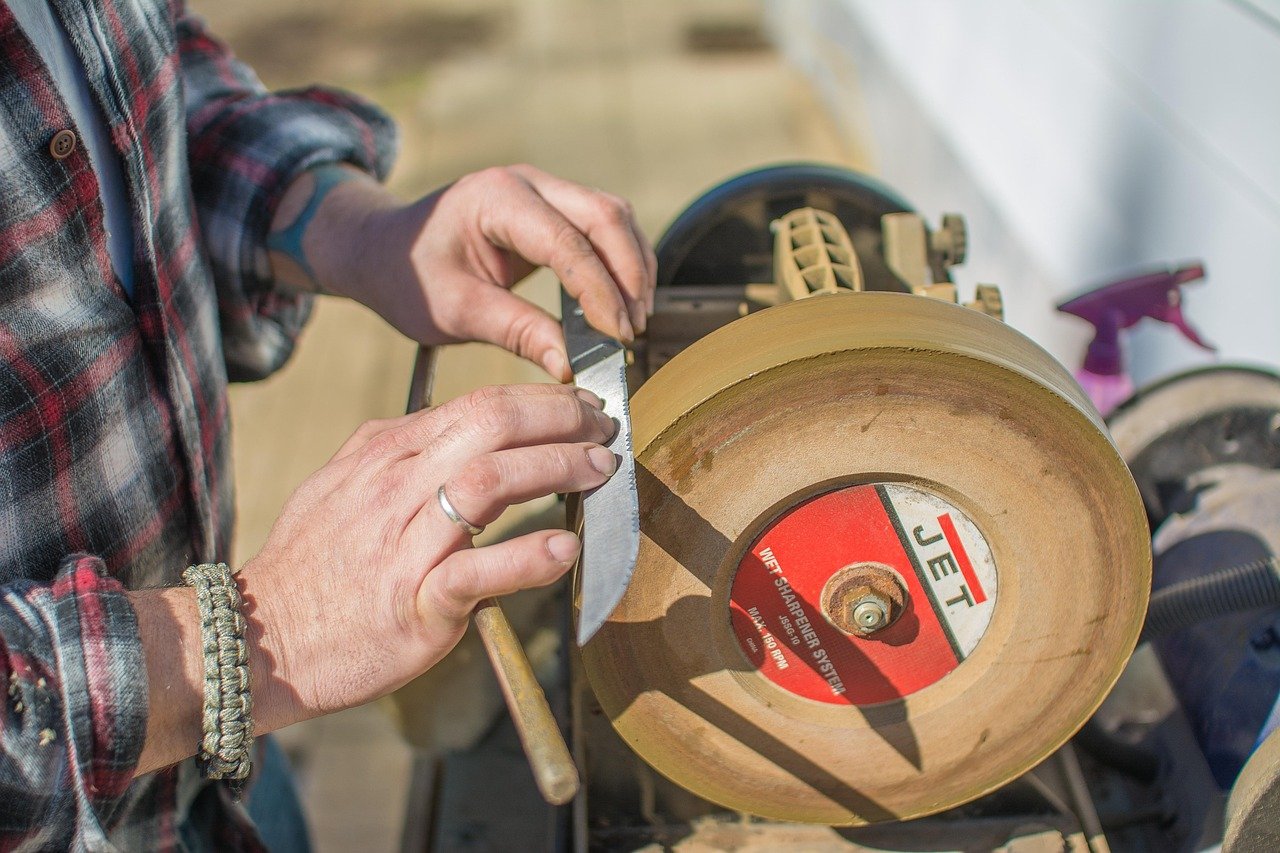
A chef’s knife is one of the most essential tools in any kitchen. A dull knife can lead to accidents and less efficient preparation of food. Not only does sharpening enhance performance, but it also makes cooking safer and more enjoyable. Whether you are preparing fresh vegetables, meats, or herbs, a sharp knife gives you precise cuts and reduces the risk of slipping and cutting yourself.
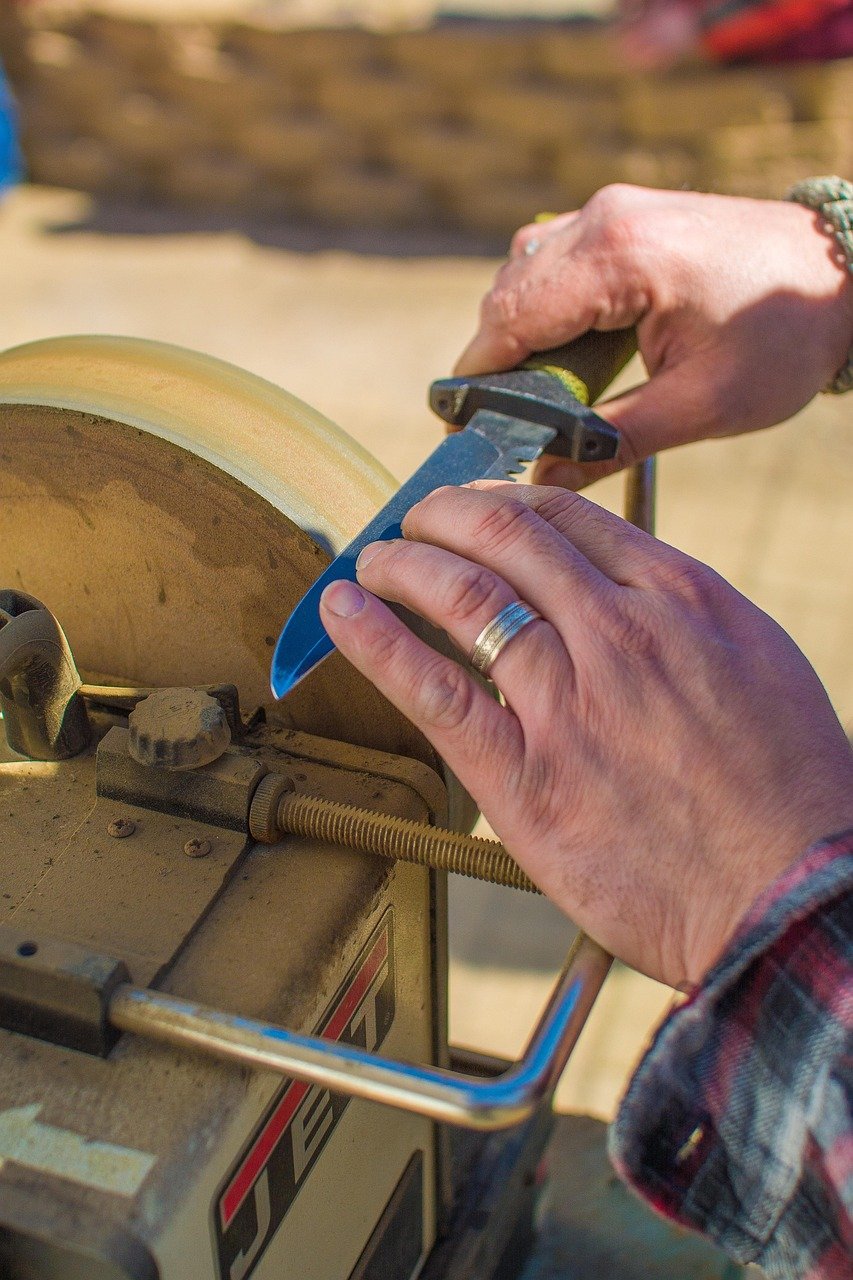
Types of Knife Sharpening Tools
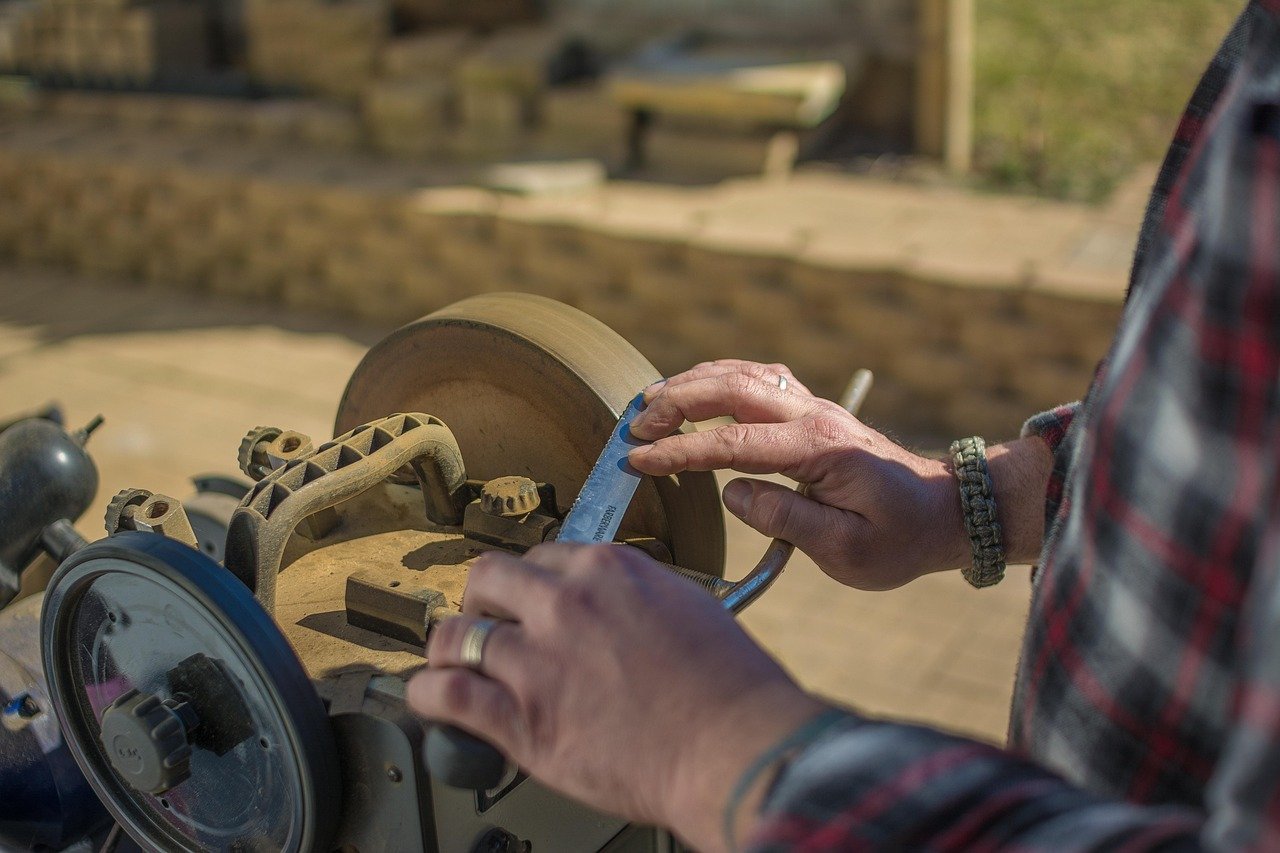
1. Whetstone (Sharpening Stone)
- Material: Typically made from synthetic or natural materials.
- Use: Involves whetting the blade on the stone’s surface; requires skill to maintain the right angle.
- Benefits: Offers a razor-sharp edge; allows for a customized sharpening angle.
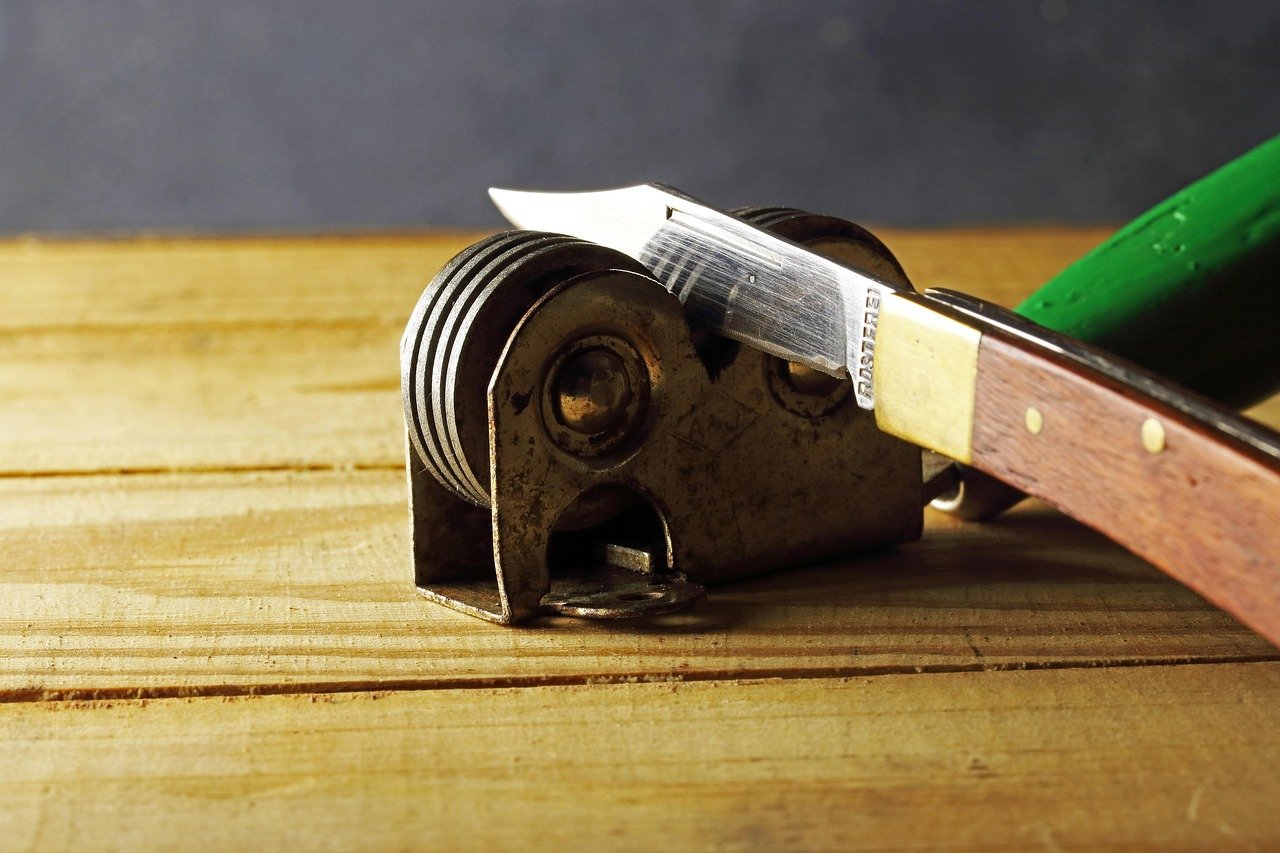
2. Pull-Through Sharpener
- Material: Often made from plastic with either ceramic or tungsten carbide sharpening elements.
- Use: Involves dragging the knife blade through a slot.
- Benefits: Quick and easy; good for beginners with limited skills.
3. Electric Knife Sharpener
- Material: Electric device with grinding wheels.
- Use: Automated sharpening by inserting the knife.
- Benefits: Fast and efficient; minimizes user error with consistent results.
4. Honing Steel
- Material: Long rod typically made of steel or ceramic.
- Use: Used to realign the blade’s edge regularly; not for sharpening.
- Benefits: Extends the life of your sharp edge; quick touch-ups.
Preparing for Sharpening
Choose Your Workspace
- Find a stable, clean, and well-lit area.
- Protect your surfaces—place a towel or cloth under your sharpening tool to prevent slipping.
Gather Necessary Equipment
- Choose one of the sharpening tools (whetstone, pull-through sharpener, or electric sharpener).
- Have a damp cloth on hand for cleaning the knife and sharpening tool.
Clean Your Knife
- Wash the knife in warm, soapy water, and dry it thoroughly before sharpening.
- Ensure there is no residue or moisture; a clean knife allows for better sharpening results.
Sharpening with a Whetstone
Soak the Whetstone
- Soak the whetstone in water for about 10-15 minutes to ensure it’s adequately saturated.
Position the Stone
- Place the whetstone on a non-slip surface or use a stone holder.
Determine the Sharpening Angle
- Ideal sharpening angle for a chef’s knife is between 15 to 20 degrees. Beginners may find it easier to start at 20 degrees.
Start Sharpening
- Place the heel of the knife on the stone, gently pushing away while applying light pressure.
- Slide the blade toward you, covering the entire edge, and lift the tip off the stone as you reach the end.
- Move to the other side and repeat the process.
Repeat the Process
- Alternate sides and repeat the process about 5-10 times per side, checking for burrs or roughness.
Honing
- After sharpening, use a honing steel to realign the edge before use.
Sharpening with a Pull-Through Sharpener
Read Instructions
- Different brands may have specific guidelines; read the user manual if available.
Insert the Knife
- Insert the knife into the sharpener with the blade facing the sharpening slot.
Draw the Knife Through
- Pull the knife through the sharpener with firm, even pressure, maintaining a steady pace.
- Repeat the action according to the sharpener’s instructions, usually 3-5 times.
Sharpening with an Electric Sharpener
Plug in the Sharpener
- Ensure it is on a stable surface and is plugged into a power source.
Insert the Knife
- Slide the knife into the designated slot at the base of the sharpener.
Follow Instructions
- Allow the sharpener to do its work; most only require 2-5 passes based on their design.
Check the Blade
- After sharpening, remove the knife and wipe it clean with a damp cloth.
Maintaining Your Knife
Regular Honing
- Use honing steel before each use to maintain sharpness.
Proper Storage
- Store knives in a block, magnetic strip, or sheath to prevent dulling.
Hand Wash Only
- Avoid the dishwasher; hand wash to keep the blade and handle in good condition.
Safety Tips
- Always cut on a stable surface; never hold items in your hand.
- Use a knife guard when storing or transporting the knife.
- Keep your fingers curled away from the blade when sharpening.
Recognizing When to Sharpen Your Knife
- Visual Inspection: Look for chips, dullness, or reflection on the edge.
- Testing with Paper: Try slicing through paper. A dull knife will struggle or tear instead of cutting smoothly.
Final Checks
After sharpening, always conduct a performance test. Slice through vegetables or a piece of paper to assess sharpness. If the blade does not glide effortlessly, you may need to repeat the sharpening process.
By regularly sharpening your chef’s knife and following this beginner’s guide, you’ll ensure a reliable and efficient cooking experience. The skills you acquire will not only improve your culinary abilities but also enhance your overall enjoyment in the kitchen.