

1. Whetstone
The whetstone, or sharpening stone, is a time-honored tool used for sharpening knives. Available in various grits, whetstones provide versatility and precision. For best results, one should select a double-sided whetstone, usually featuring coarse grit on one side (200-600) and finer grit on the other (1000-3000). When using a whetstone, it’s essential to maintain a consistent angle—typically between 15 and 20 degrees—for optimal sharpening.
To sharpen, soak the stone in water for about 10-20 minutes before use. After which, run the blade against the coarse side at the desired angle, alternating sides until a burr (a small fold of steel) forms. Then, switch to the finer side for polishing the edge. This method not only sharpens but can also restore a damaged knife. Also, regular maintenance with a whetstone can extend the lifespan of your knife.
2. Electric Knife Sharpener
For those seeking convenience, an electric knife sharpener is an ideal solution. These devices automate the sharpening process, making it quick and efficient. Models vary in features; however, most offer multiple stages for grinding, honing, and polishing, allowing users to obtain a razor-sharp edge with minimal effort.
When choosing an electric sharpener, look for one with a diamond or ceramic abrasive, as these materials provide the best results. Additionally, consider sharpeners that accommodate various knife types and sizes, ensuring versatility in your kitchen.
3. Manual Knife Sharpener
A manual knife sharpener is another handy tool for quick touch-ups and minor blade restorations. Often more compact and easier to store than electric models, these sharpeners are ideal for everyday kitchen use. Many designs feature a two-slot process: one for coarse grinding and another for honing.
To use, simply draw the knife through the slots a few times, ensuring to maintain a consistent pressure without forcing the knife down. Brands like Chef’sChoice and Work Sharp offer effective manual sharpeners that deliver professional results without the need for extensive knife knowledge.
4. Sharpening Steel
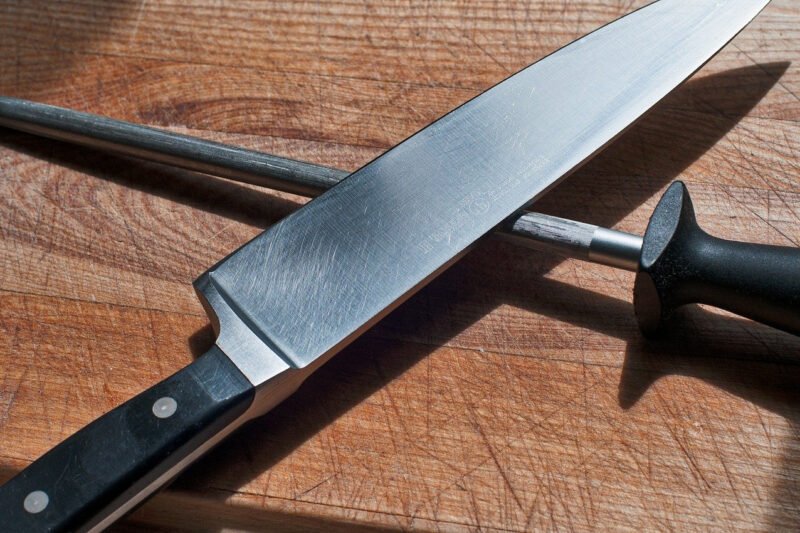
A sharpening steel, often referred to as honing steel, maintains the edge of a knife between sharpenings. Made of tough steel, a honing rod realigns microscopic teeth on a knife’s edge, which can become misaligned with use. Though it doesn’t sharpen in the traditional sense, regular use can prolong the time between sharpening.
To use a honing steel, hold the rod vertically and place the knife blade against it at a 15 to 20-degree angle. Then draw the knife downwards in a sweeping motion, alternating sides. Completing this process a few times should have your knife performing at its best without altering its construction.
5. Angle Guides
For novices, maintaining the perfect sharpening angle can be challenging. Angle guides can assist by ensuring a consistent angle, which is crucial for effective sharpening. These devices attach to the knife and provide a guide for your hand, making it simpler to keep the blade at the recommended angle.
Available for both whetstones and electric sharpeners, angle guides help prevent the user from accidentally sharpening at an incorrect angle, which could damage the knife. Investing in an angle guide, particularly for high-end or specialty knives, promotes longevity and optimal performance.
6. Leather Strop
A leather strop is an essential tool for achieving a polished edge after sharpening. Used traditionally by barbers, strops can effectively align the edge and absorb the small burrs created during sharpening. They often come in a strip or disk form, and they may be charged with polishing compounds to enhance results.
To use a strop, hold the blade against the leather at a slightly higher angle than you would when sharpening and draw it back toward you in a gentle motion. Repeat several times, alternating sides. This process not only polishes the blade but can also enhance the knife’s cutting performance.
7. Knife Sharpening Kit
For those serious about knife maintenance, a complete knife sharpening kit is a valuable investment. These kits often include multiple sharpening tools, such as a whetstone, honing steel, and angle guides, all packaged together. Purchasing a kit offers everything you need for comprehensive knife care at home.
When shopping for a kit, look for brands that emphasize quality materials. A well-rounded kit will serve you for years and is applicable for various knife types, from kitchen knives to outdoor and utility knives.
8. Portable Knife Sharpener
If you travel often or enjoy outdoor adventures, a portable knife sharpener is a game-changer. Ranging from small manual sharpeners to compact electric versions, these tools are designed for convenience and efficiency. Made to take on the go, they usually fit easily into camping gear or kitchen drawers.
Portable sharpeners often offer multiple sharpening functions, utilizing diamond abrasives or ceramic rods to ensure knives maintain their sharp edges. Look for lightweight versions that offer reliability while being durable enough to withstand frequent use in demanding environments.
9. Ceramic Knife Sharpener
For those who own ceramic knives, a ceramic knife sharpener is essential. Unlike metal cutting tools, ceramic knives require finer grit sharpeners to avoid damaging their fragile structure. Ceramic sharpeners have a very fine grit and are designed to keep ceramic blades razor-sharp.
These sharpeners come in various forms, from handheld models to whetstones specifically designed for ceramic blades. It’s necessary to adopt a gentle sharpening method, as increased pressure can easily chip the blade instead of sharpening it.
10. Guided Sharpening System
A guided sharpening system is one of the most precise ways to achieve a well-sharpened knife. These systems feature clamps and adjustable angle settings, allowing users to set their desired sharpening angle, usually between 10-30 degrees.
With a guided system, the user can sharpen the blade evenly every time—ideal for those looking for professional-grade results at home. Brands like Work Sharp and Wicked Edge offer guided systems that deliver excellent performance, while varying greatly in features and price range.
11. Sharpening Paste
Another tool that can assist with achieving a polished edge is sharpening paste. Often used in conjunction with a leather strop, this compound enhances the finishing touches on a blade. The paste contains fine abrasives that help remove microscopic imperfections on the edge after it has been sharpened.
To use, apply a few drops of the paste onto your strop and then proceed to polish the knife. It’s an easy addition to your knife maintenance routine and can significantly enhance the sharpness of your knife.
12. Cleaning Accessories
An often-overlooked aspect of knife care is cleaning. Maintaining your sharpened knives is crucial for ensuring they don’t dull quickly or take on damage. Consider soft microfiber cloths, specialized knife cleaning solutions, and even brushes with gentle bristles for cleaning after sharpening.
Make it a habit to clean your knives after each sharpening session, removing any metal shavings or residue left from the sharpening process. Keeping your blades free of debris will help maintain their functionality over time.
13. Safety Gloves
Safety gloves should never be underestimated when sharpening knives at home. The process can be risky, especially for those new to sharpening. Investing in high-quality cut-resistant gloves enhances safety while sharpening, permitting peace of mind while ensuring precision.
Look for gloves made from durable materials such as Kevlar, which offer excellent protection without sacrificing dexterity. Remember, safety should always come first when working with sharp objects.
14. Knife Maintenance Book
For those interested in honing their knife sharpening skills, a comprehensive guidebook on knife maintenance can be invaluable. These books often include detailed techniques for using different tools effectively, as well as in-depth explanations on knife anatomy, edge geometry, and maintenance routines specific to various knife types.
Consulting instructional texts can not only boost your sharpening technique but also help in understanding the importance of maintenance for prolonging the life of your knives.
15. Timer
Lastly, using a timer is a simple yet effective way to track your sharpening sessions. It can be easy to lose track of time while focusing on your blades, which may lead to over-sharpening or uneven edges. Setting a timer can keep your practices consistent and manageable, allowing you to focus on technique.
Consider integrating the timer into your sharpening routine to improve efficiency. Whether you’re employing a whetstone or an electric sharpener, keeping time allows better structure in your knife maintenance schedule, resulting in sharper knives ready for action.
Arming yourself with these tools and techniques will ensure you can keep your knives in top condition. The right combination of sharpeners, guides, and safety measures will make maintaining your knives an easy and enjoyable task. Maintenance not only contributes to better performance but also enhances the safety and longevity of your knives. Whether you are a culinary enthusiast or a casual home cook, investing in the proper sharpening tools can transform your kitchen experience.