

Understanding Knife Sharpening: A Beginner’s Guide
Knife sharpening is an essential skill for any kitchen enthusiast or professional chef. A well-sharpened knife not only ensures safety while working but also enhances the cooking experience. With the right tools, beginners can easily master the art of knife sharpening. Here’s a comprehensive look at the best tools available, categorized for easy understanding.
1. Whetstones
Whetstones, also known as sharpening stones, have been a favorite among chefs for centuries. They come in various grits, which are essential for different sharpening stages.
a. Types of Whetstones
- Oil Stones: Traditionally used with oil, these stones are great for a smooth finish but may be harder to maintain.
- Water Stones: Require water for lubrication and are celebrated for their fast cutting action. They tend to wear down quickly but provide a fine edge.
- Diamond Stones: Embedded with diamond particles, these are the fastest sharpening stones, lasting longer and suitable for harder knives.
b. Recommended Brands
A few reliable brands include King, Shapton, and DMT. Each offers various grit options, typically from coarse (200 grit) to ultra-fine (8000 grit), accommodating all sharpening needs.
2. Sharpening Systems
For those seeking consistency and ease, sharpening systems provide a guided approach to knife sharpening.
a. Types of Systems
- Angle Guides: These tools help maintain a proper angle during sharpening, crucial for achieving a consistent edge.
- Clamp Systems: These hold the knife securely while you use a whetstone or diamond plate, ensuring stability.
b. Recommended Brands
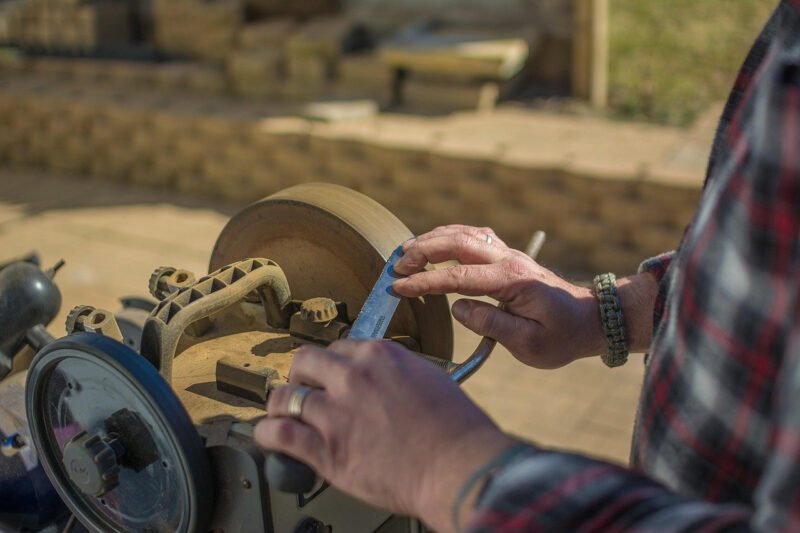
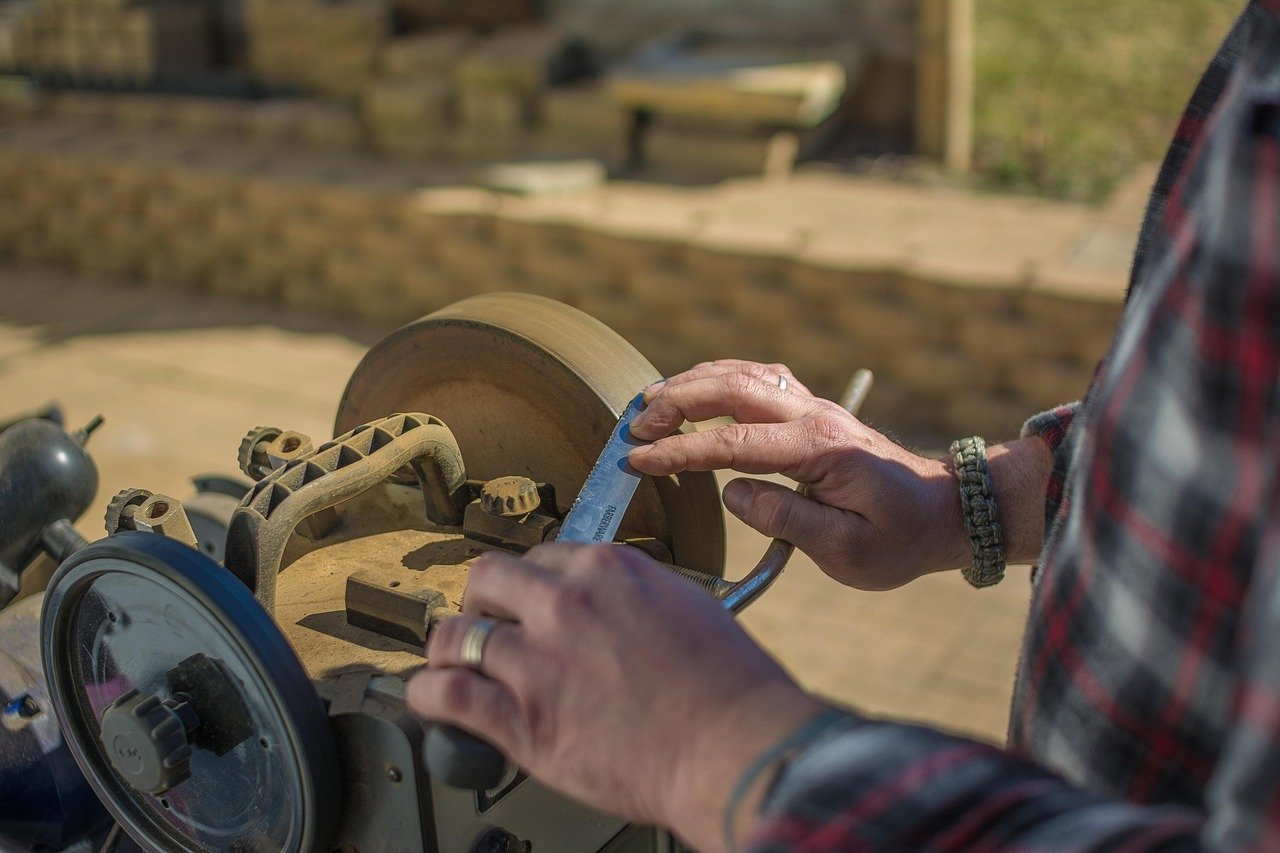
- Guided Sharpening Systems: Brands like Work Sharp and Edge Pro offer complete kits with varied grits. They are ideal for beginners looking to learn.
3. Honing Rods
Honing rods, sometimes referred to as honing steels, are an essential part of maintaining an already sharp blade. They do not sharpen but help realign the edge, making them vital for regular upkeep.
a. Types of Honing Rods
- Steel Rods: Most common, suitable for various blade types and ideal for everyday use.
- Ceramic Rods: Offer a fine honing surface and can align even the most delicate edges without removing metal.
b. Recommended Brands
Look for brands like Wüsthof and Shun for high-quality honing rods that ensure longevity and effectiveness.
4. Electric Knife Sharpeners
For those averse to manual sharpening or seeking speed, electric sharpeners are ideal. They typically come with built-in guide angles, making them user-friendly even for novices.
a. Types of Electric Sharpeners
- Two-Stage Sharpeners: Most common, these feature grinding and honing slots, perfect for regular maintenance.
- Advanced Models: Some models, like those from Chef’s Choice, offer diamond-coated wheels and various grit options for different sharpening needs.
b. Recommended Brands
Chef’s Choice and Work Sharp lead the market with robust options, ensuring both quality and ease of use.
5. Pocket Knife Sharpeners
For outdoor enthusiasts or those who regularly use pocket knives, having a portable sharpener is crucial.
a. Types of Pocket Sharpeners
- Keychain Sharpeners: Small and compact, perfect for quick touch-ups.
- Folding Sharpeners: These come equipped with various grits and are easy to carry.
b. Recommended Brands
Brands such as Lansky offer portable knife sharpeners that are effective and travel-friendly, ensuring your blades remain sharp on any adventure.
6. Sharpening Accessories
To enhance your sharpening experience, several accessories can make the process easier and more effective.
a. Leather Strops
Stropping is an ancient technique used to polish the edge of the knife after sharpening. Leather strops help remove any burrs and provide a razor-sharp finish.
b. Angle Guides
If you are using whetstones or freehand methods, angle guides can ensure that you maintain a consistent sharpening angle, which is critical for achieving the perfect edge.
c. Cleaning Solutions
Keeping your sharpening tools clean is essential for maintaining their effectiveness. Invest in stone cleaning solutions or brushes, particularly for whetstones, to remove the metal filings and embedded particles.
7. Safety Gear
Safety should always be a priority when sharpening knives. Invest in protective gear like cut-resistant gloves to prevent injuries during the sharpening process.
8. FAQs about Knife Sharpening
a. How often should I sharpen my knives?
The frequency depends on your usage. General advice suggests honing knives every week and sharpening them at least once a month or when they start to feel dull.
b. Can I use the same tool for all types of knives?
While some tools are versatile, using specialized tools for specific types of knives (e.g., Japanese versus Western knives) will yield better results.
9. Final Tips for Beginners
- Start slow: Don’t rush the process; practice makes perfect.
- Focus on angles: Maintaining the correct angle is critical for effective sharpening.
- Keep your tools clean: Regular cleaning prolongs the life of your sharpening tools.
Incorporating these tools and tips into your knife sharpening routine will elevate your skills and ensure that you are always prepared to create culinary masterpieces. Whether you’re using traditional whetstones or modern electric sharpeners, understanding the best tools available will set the foundation for a rewarding culinary experience. Embrace the art of knife sharpening and enjoy the precision and joy it brings to your cooking!