

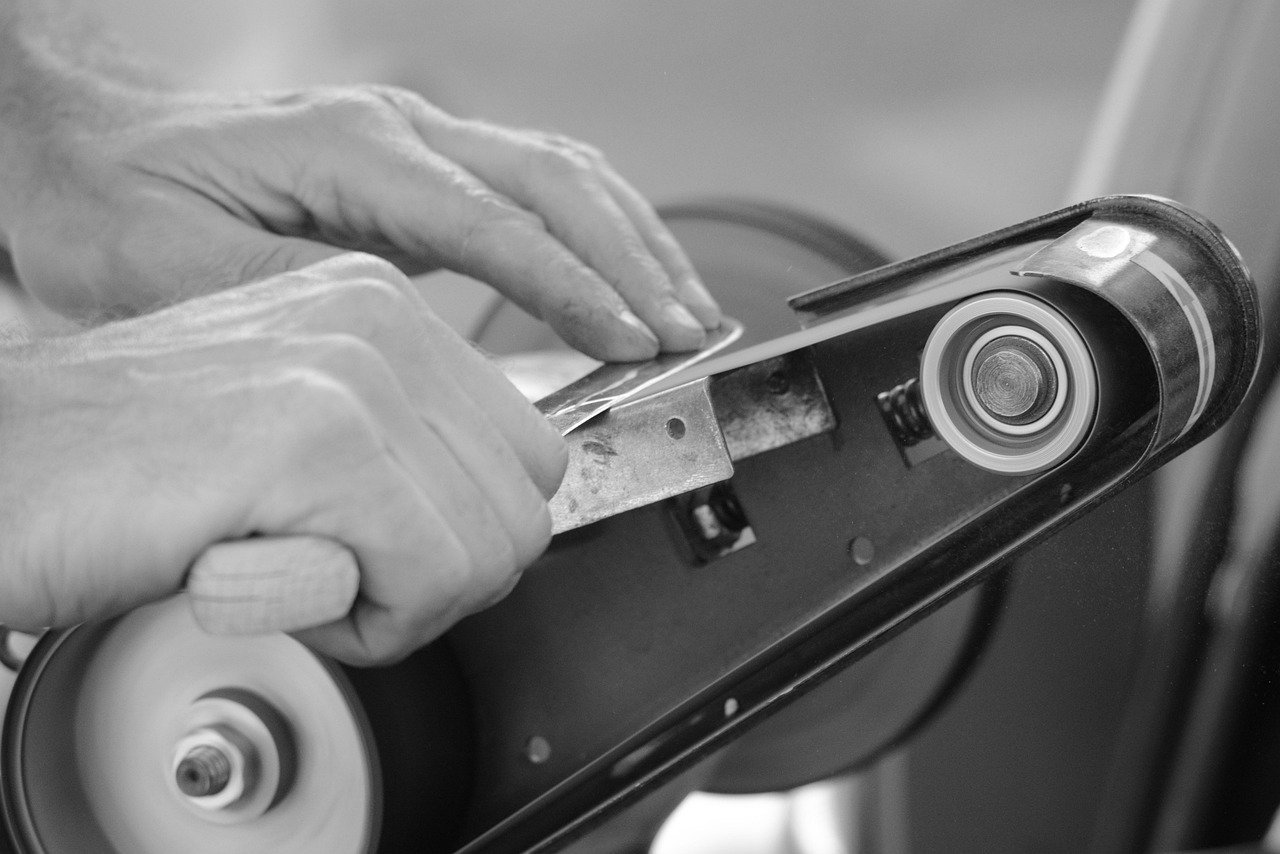
Understanding Knife Sharpening Basics
To sharpen your kitchen knives like a pro, it’s essential to grasp the basic concepts of knife edge geometry, sharpening angles, and the tools required. The blade of a knife is typically sharpened to a specific angle, most commonly between 15 to 20 degrees. Japanese knives often utilize a sharper angle, while Western knives tend to be slightly more obtuse.
Types of Knife Edges
- Straight Edge: Traditional and versatile, ideal for all-purpose use.
- Serrated Edge: Perfect for slicing bread and delicate foods.
- Hollow Grind: Common in specialty knives, enhancing sharpness.
Understanding which type of knife you’re working with is essential for applying the right sharpening technique.
Tools You Will Need
- Whetstone: The most traditional and preferred method among chefs. Whetstones come in various grits (coarse, medium, and fine) to create the perfect edge.
- Honing Rod: Typically made of steel or ceramic, honing rods are used to realign the edge between sharpenings.
- Electric Sharpener: A quick and easy option, though it may remove more material than necessary if not used carefully.
- Pull-Through Sharpener: Convenient and user-friendly, ideal for beginners but can be less precise.
- Leather Strop: Used for polishing the edge after sharpening.
Preparing for Sharpening
Before you start, ensure that your workspace is clean, well-lit, and free from distractions. Gather your tools, and then inspect your knives for damage such as chips or cracks. If any severe damage is present, you may need to repair them first before sharpening.
Step-by-Step Knife Sharpening Process with a Whetstone
Step 1: Choosing the Right Grit
Determine the level of dullness in your knife. Start with a coarser grit (around 1000) for significantly dull knives and progress to a finer grit (3000 to 6000) for polishing and finishing.
Step 2: Soak the Whetstone
If you’re using a water stone, soak it in water for about 10-15 minutes. This allows for better sharpening and prevents damage to the stone.
Step 3: Position the Whetstone
Place your whetstone on a stable surface, preferably with a damp cloth underneath to prevent slipping. The coarse side should face up.
Step 4: Angle the Knife
Hold the knife at the correct angle. For a standard kitchen knife, this is usually around 20 degrees. You can use a sharpening angle guide if you’re uncertain.
Step 5: Sharpening the Edge
- Coarse Side: Starting at the base of the blade, glide the knife downwards and forwards over the whetstone, applying moderate pressure. Follow through until the tip is off the edge of the stone. Repeat this motion about 10-15 times.
- Alternate Sides: Rotate the knife and repeat the process on the opposite side. Maintain the same angle throughout the process.
Step 6: Refine with the Fine Side
Flip the stone to the fine side. Repeat the sharpening process but with lighter pressure to refine the edge. Aim for about 5-10 strokes on each side.
Honing Your Knife
After sharpening, the knife edge may still have minor imperfections. A honing rod can help straighten the edge:
- Hold the honing rod vertically.
- Place the knife’s heel against the rod, maintaining a 15-20 degree angle.
- Swipe the knife down the rod in a sweeping motion, moving from heel to tip. Repeat this motion 5-10 times on each side.
Understanding Electric and Pull-Through Sharpeners
If using an electric sharpener:
- Always follow manufacturer guidelines for best results.
- Make sure to feed the knife through the slots slowly and evenly, allowing the machine to do the work.
For pull-through sharpeners:
- Position the sharpener on a flat surface.
- Insert the knife’s blade into the designated slot and pull towards you gently.
- Repeat as necessary, ensuring not to apply excessive force.
Final Touch: Strop the Knife
A leather strop is an excellent way to give your knife a polished, razor-sharp finish:
- Apply a small amount of polishing compound to the leather.
- Hold the knife at a 10-degree angle and pull the blade along the strop away from the edge.
- Alternate sides until you achieve a polished finish.
Maintenance and Care
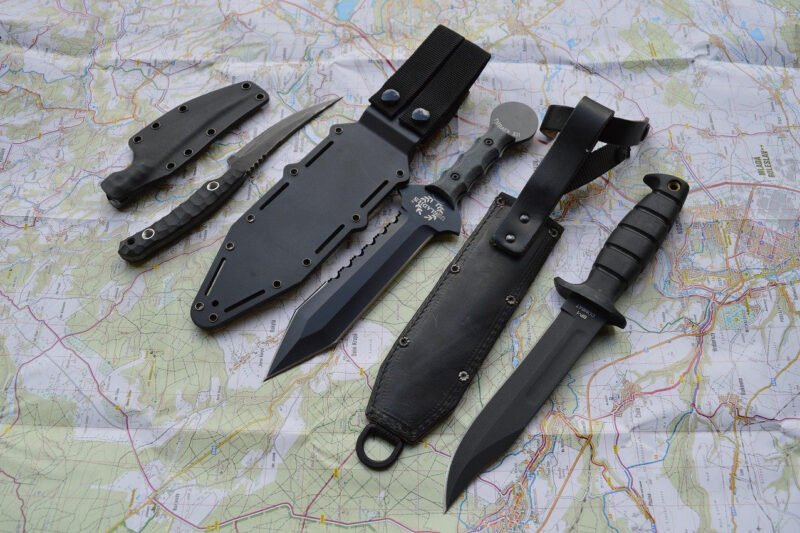
- Storage: Store knives safely in a wooden block, magnetic strip, or sheaths to protect the edges.
- Cleaning: Wash knives by hand using soap and warm water. Avoid placing them in the dishwasher, as this can dull the blade.
- Regular Honing: Hone your knives regularly to maintain their edge between sharpenings. Depending on usage, honing once a week or even daily can extend the period between serious sharpening sessions.
Recognizing When to Sharpen
Regularly check the sharpness of your knives by performing a quick ‘paper test’. If it struggles to slice through a piece of paper cleanly, it’s time to sharpen.
Conclusion on Professional Sharpening Skills
By following the steps outlined in this guide, you can sharpen your kitchen knives at home like a professional. Regular maintenance and proper techniques will keep your knives in optimal condition, enhance your cooking experience, and ensure safe and precise cutting. Remember, practice makes perfect, so don’t get discouraged if it takes time to develop your sharpening skills. Happy cooking!