

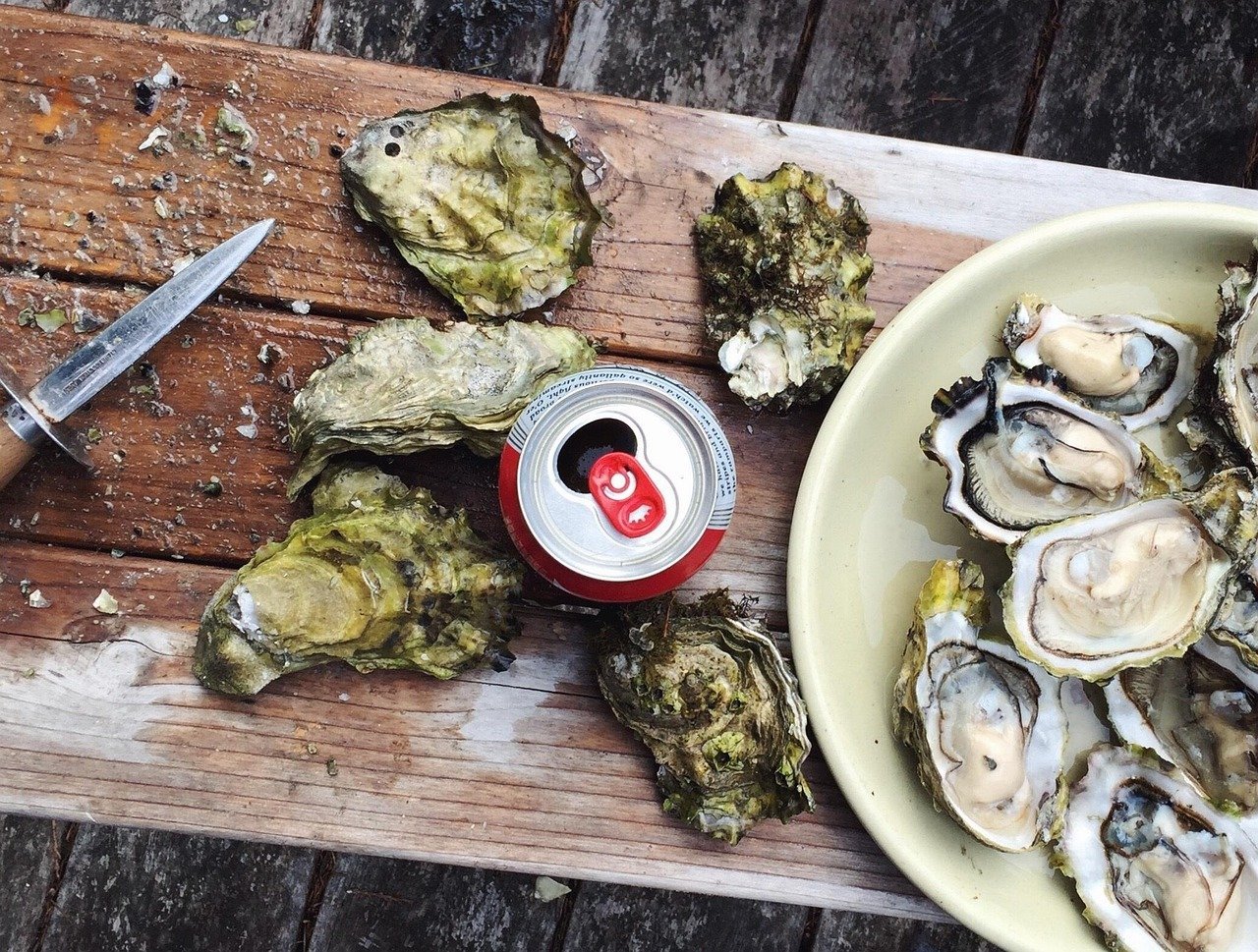
Understanding Oyster Knives: A Brief Overview
Oyster knives are essential tools for seafood lovers and culinary enthusiasts who enjoy freshly shucked oysters. These specialized knives feature a short, thick blade designed to pry open oyster shells without damaging the delicate meat inside. The right oyster knife can greatly enhance your shucking experience, ensuring efficiency, safety, and a satisfying result.
Different Types of Oyster Knives
Oyster knives come in various shapes and sizes, each designed for specific types of oysters. Understanding these differences can guide your choice.
Standard Oyster Knife: With a blunt-tip and a sturdy blade, standard oyster knives are the most versatile option, ideal for a range of oyster types.
Stabbing Knife: These knives have a pointed tip, enabling easy penetration of tougher shells. They are particularly useful for larger species such as the Pacific oyster.
Butter Knife: Featuring a broader blade, the butter knife is perfect for shucking large oysters with smooth edges, minimizing the risk of breaking the shell.
Hinge Knife: Similar to the standard knife but specifically designed to exploit the hinge of the shell, allowing the user to leverage the knife more efficiently.
Key Features to Consider
Blade Material
The quality and type of material used for the blade significantly affect performance. Common materials include:
Stainless Steel: Known for its resistance to rust and corrosion, stainless steel is a popular choice. It maintains sharpness well, ensuring a clean cut through the shell.
Carbon Steel: While sharper initially, carbon steel can rust without proper care. However, it offers excellent edge retention, making it favored by experienced shuckers.
Blade Thickness
Thick Blades: More durable, thick blades provide more pressure for tough shells. However, they can be cumbersome for beginners.
Thin Blades: Thin blades are easier to maneuver and less intimidating for first-time users. However, they may not withstand as much pressure.
Handle Design
A comfortable handle is crucial for maintaining grip and control during the shucking process.
Material: Wooden handles offer a traditional feel, while plastic or rubber handles may provide better grip, especially in wet conditions.
Shape: Ergonomic designs can reduce strain on the hands during extended use. Look for handles with contours that fit the natural shape of your grip.
Tip Style
Blunt Tips: Ideal for beginners, blunt tips minimize the risk of injury and allow for safer navigation within the shell.
Pointed Tips: Experienced shuckers might prefer pointed tips for increased precision and access to tighter shells.
Additional Features to Enhance Ease of Use
Full Tang Construction: A full tang knife extends the blade’s metal into the handle, providing better balance and strength. This feature is crucial for serious shuckers who demand reliability.
Lightweight Design: A lightweight knife can make the shucking process more comfortable and less tedious, especially for those just starting.
Brand Recommendations
OXO Good Grips Stainless Steel Oyster Knife
Renowned for its durability, the OXO Good Grips knife features a stainless steel blade with a soft, non-slip, ergonomic handle that provides excellent grip. This is an excellent option for both beginners and seasoned shuckers.
Dexter-Russell 3-Inch Oyster Knife
Made in the USA, this knife is a favorite among professionals. The high-carbon stainless steel blade is both tough and sharp, while the wooden handle offers traditional craftsmanship. Perfect for practically any oyster type.
R. Murphy Oyster Knife
This brand’s knife is known for its high-quality construction. The blade is made from stainless steel, while the rosewood handle gives it an element of elegance. It’s ideal for those who appreciate both form and function.
Safety Tips for Shucking Oysters
Choosing the right knife is only part of the equation. Follow these safety tips to ensure a successful shucking experience:
Use a Protective Glove: Wear a cut-resistant glove on your non-dominant hand for added protection against slips.
Stabilize the Oyster: Use a towel or an oyster shucking pad to stabilize the oyster while you work, minimizing the risk of injury.
Angle Your Knife: Insert the knife at an angle rather than stabbing directly into the oyster to avoid slipping.
Maintenance and Care
Taking good care of your oyster knife will prolong its lifespan and maintain its performance.
Cleaning
- Rinse the knife immediately after use to prevent the meat and juices from hardening on the blade.
- Avoid the dishwasher; instead, wash it gently with warm, soapy water and hand-dry right away.
Sharpening
- A dull blade can be dangerous. Regularly sharpen your knife with a whetstone or professional sharpening service to maintain cutting efficiency.
Storage
- Store your knife in a designated space where it won’t get damaged or dull. A knife block or magnetic strip can keep the blade protected while allowing easy access.
Frequently Asked Questions
How do I know which oyster knife to choose?
Your choice should be based on your oyster preferences and experience level. For beginners, a blunt-tip stainless-steel knife with a comfortable handle is ideal.
Can I use a regular kitchen knife to shuck oysters?
It’s not recommended. Regular kitchen knives lack the necessary durability and design features to efficiently and safely shuck oyster shells.
Do professional chefs use oyster knives?
Yes, many professional chefs have their preferred oyster knives, often choosing ones tailored to the specific oysters they serve.
Embracing the Art of Shucking
Shucking oysters can seem intimidating at first, but with the right tools and techniques, it transforms into an enjoyable culinary art. Selecting the best oyster knife allows you to fully enjoy this process, making it easier and safer. Whether you prefer the classic elegance of a traditional design or the modern consumer convenience of ergonomic adjustments, investing in quality will undoubtedly elevate your oyster experience.