

Understanding Knife Sharpening
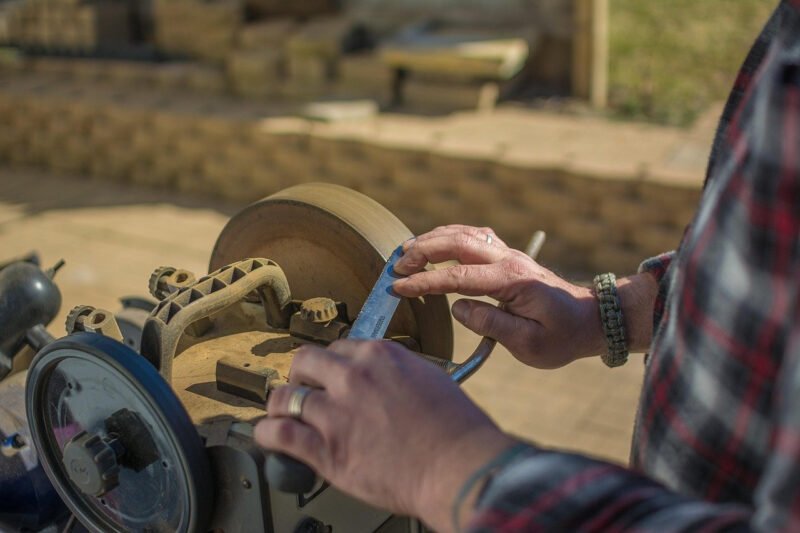
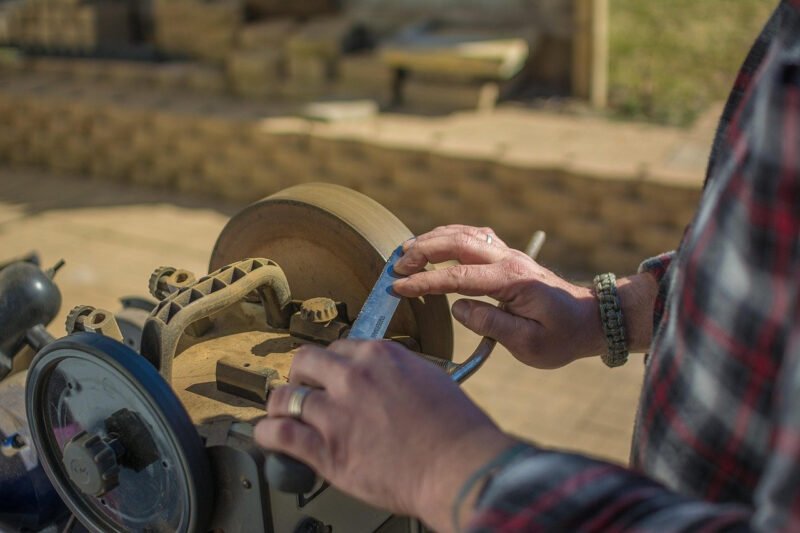
Knife sharpening is a crucial skill for anyone who frequently uses knives in the kitchen or for outdoor activities. A sharp knife not only enhances performance but also increases safety by reducing the likelihood of slips caused by using a dull blade. This guide will take you through the essentials of knife sharpening techniques you can easily implement at home.
Why Sharp Knives Matter
Sharp knives allow for cleaner cuts, reduced food squashing, and less fatigue when using them. When working with fresh ingredients, a sharp knife not only enhances precision but also retains the integrity of the ingredients, contributing to better taste and presentation in your culinary endeavors.
Types of Knife Edges
Before sharpening, it’s essential to understand the different types of knife edges:
- Straight Edge: Commonly found in chef’s knives, it’s easy to sharpen and maintain.
- Serrated Edge: Found in bread knives, they require specialized sharpening tools.
- Double Bevel: Most kitchen knives fall into this category, featuring an edge on both sides, typically at a 20-degree angle.
- Single Bevel: Often used in Asian knives, such as sashimi knives, these have an edge on one side, designed for precise cuts.
Tools for Sharpening
Choosing the right tools for knife sharpening is crucial. Here’s a breakdown of the most effective options:
- Whetstone: A traditional method favored by professional chefs. They come in various grits, and you can use water or oil for lubrication.
- Sharpening Steel: Often mistaken for a sharpening tool, it actually hones the knife edge, realigning it rather than sharpening.
- Pull-Through Sharpener: User-friendly but less effective for maintaining a proper edge angle.
- Electric Sharpener: Fast and simple to use; great for those who prefer convenience.
- Diamond Sharpening Plate: Effective for quick sharpening and maintaining the edge on harder steel knives.
Choosing the Right Whetstone
Whetstones are available in various grits, determining the level of abrasiveness:
- Coarse Grit (200-400): Used for repairing damaged blades.
- Medium Grit (800-1000): Ideal for routine sharpening of household knives.
- Fine Grit (3000-6000): Primarily used for polishing and honing the edge after sharpening.
- Extra Fine Grit (8000 and above): For achieving a razor-sharp finish, typically for high-end or specialty knives.
Step-by-Step Knife Sharpening Guide
Preparing Your Workspace
- Choose a flat, stable surface.
- Have a damp cloth or non-slip mat to secure the whetstone.
- Keep a bowl of water nearby to wet the stone, if needed.
Sharpening Process
Soak the Whetstone: For water stones, soak them in water for about 10-15 minutes before starting.
Position the Knife: Hold the knife at the appropriate angle (generally 15-20 degrees for most kitchen knives).
Start with the Coarse Side:
- Place the heel of the knife on the stone and apply light pressure.
- Move the blade across the stone in a sweeping motion, covering the entire edge.
- Repeat for 5-10 passes on one side, then switch to the other side.
Medium Grit Sharpening:
- Flip the whetstone to the medium grit side.
- Repeat the same process, ensuring you aggregate 5-10 strokes on each side.
Honing with Fine Grit:
- Use the fine grit for polishing the edge.
- Apply light pressure as you hone, emphasizing careful, steady strokes.
Test the Sharpness: Carefully slice through a piece of paper or a tomato. The knife should cut smoothly without tearing.
Maintaining Your Knife
Proper maintenance prolongs the life of your knives and keeps them in optimal condition between sharpenings. Here are some essential tips:
Regular Honing: Use a honing steel regularly to maintain the knife edge. Hone the knife after each major usage or at least once a week.
Proper Storage: Store knives in a block, sheath, or magnetic strip to prevent dulling caused by contact with other utensils.
Clean Carefully: Hand wash your knives with mild soap and avoid abrasive sponges or dishwashers to preserve the blade integrity.
Use the Right Cutting Surface: Avoid cutting on glass, stone, or metal; opt for wooden or plastic cutting boards that will not dull the edge.
Common Mistakes in Knife Sharpening
Avoiding common pitfalls will help you achieve better results:
Wrong Angle: Consistency in angle is key; practicing the correct angle ensures a sharper blade.
Excessive Pressure: Applying too much pressure can damage the blade or the whetstone. A gentle touch is often more effective.
Neglecting the Other Side: Balance sharpening on both sides is necessary to maintain a symmetrical edge.
Skipping Maintenance: Regular honing and proper storage need to be routine to prevent extensive dulling.
When to Seek Professional Help
If a knife is excessively damaged or has chip defects, consider consulting a professional. Fine and expensive knives may benefit from expert polishing and sharpening, ensuring quality preservation.
Conclusion and Future Learning
Knife sharpening is an art that combines patience and skill. Familiarizing yourself with your tools and techniques enhances cooking experiences and reflects a level of culinary professionalism. Keep practicing and explore advanced sharpening techniques and tools to continually improve your skills. Consider joining workshops or following expert tutorials to further refine your knife maintenance skills. Taking these steps will help you master the invaluable kitchen skill of knife sharpening at home.