



Exploring the Environmental Footprint of Knife Manufacturing
Choosing Raw Materials: The Foundation of Environmental Impact

The environmental consequences of knife production begin with the selection of materials. Typically, blades are crafted from stainless steel or carbon steel, while handles may be fashioned from wood, synthetic polymers, or metals. Each choice carries distinct ecological ramifications.
- Steel Manufacturing: The process of extracting iron ore and refining it into steel is energy-intensive and environmentally taxing. Mining activities often result in deforestation, soil degradation, and contamination of water bodies. Additionally, steel production is a notable contributor to global greenhouse gas emissions, accounting for approximately 7-9% of CO2 emissions worldwide as of 2023.
- Handle Material Sourcing: Handles made from exotic hardwoods can accelerate deforestation and threaten biodiversity, especially in tropical regions. Conversely, plastic handles, derived from petrochemicals, contribute to carbon emissions and generate persistent waste that challenges recycling systems.
Energy Demands in the Manufacturing Process
Knife fabrication involves several stages that consume substantial energy, often sourced from fossil fuels, thereby amplifying the carbon footprint.
- Heating and Forging: Shaping and hardening steel require furnaces operating at high temperatures. These processes emit significant amounts of CO2 and other pollutants, especially when powered by coal or natural gas.
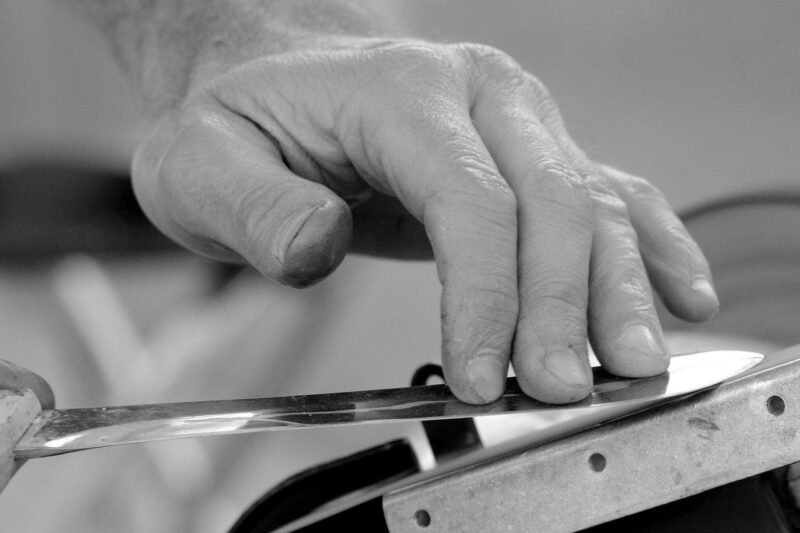
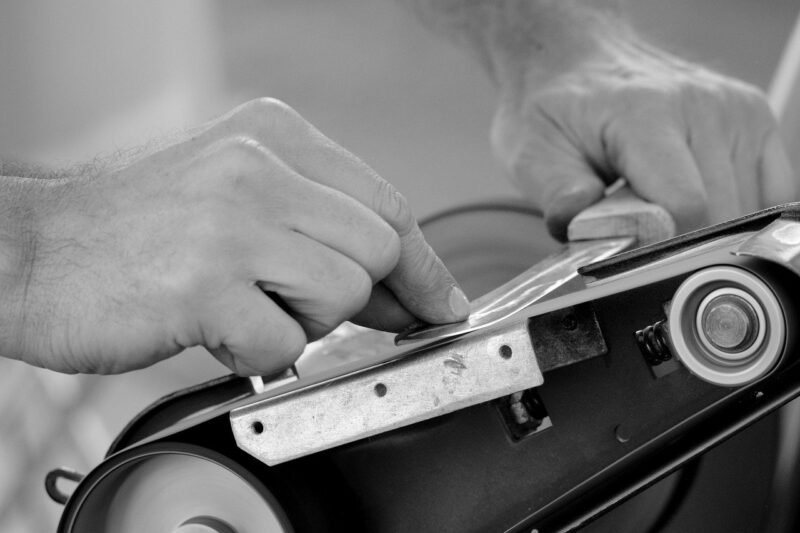
- Precision Machining and Surface Finishing: Subsequent steps such as grinding and polishing not only consume electricity but also generate metal shavings and dust, necessitating additional energy for waste management.
Water Usage and Contamination Concerns
Water plays a critical role in cooling equipment, cleaning components, and quality assurance during knife production.
- Water Consumption: The volume of water used can strain local supplies, particularly in drought-prone areas. For instance, manufacturing a single knife can require several liters of water, contributing to water stress in vulnerable regions.
- Effluent and Pollution: Wastewater often contains residues from lubricants, grinding compounds, and cleaning chemicals. Without proper treatment, these pollutants can infiltrate waterways, harming aquatic life and disrupting ecosystems.
Waste Byproducts and Their Management
Knife production generates various waste streams that require responsible handling to minimize environmental harm.
- Metal Offcuts and Scraps: While steel waste is recyclable, inefficient recovery can lead to resource loss and increased landfill use.
- Packaging Materials: The use of cardboard and plastic packaging contributes to solid waste challenges. Single-use plastics, in particular, pose risks to marine environments when improperly discarded.
- Hazardous Residues: Oils and chemical byproducts from manufacturing processes must be disposed of safely to prevent soil and water contamination.
Environmental Costs of Distribution and Logistics
The journey of knives from factories to consumers adds another layer of ecological impact.
- Transportation Emissions: Moving raw materials and finished products often relies on diesel-powered trucks, ships, and planes, all of which emit CO2 and other greenhouse gases.
- Complex Global Supply Chains: With materials sourced internationally, the cumulative transportation footprint increases, underscoring the need for localized production where feasible.
Extending Knife Lifespan and Responsible Disposal
The environmental footprint of knives extends beyond manufacturing to their use and end-of-life management.
- Longevity and Maintenance: Investing in durable knives and educating users on proper care can reduce the frequency of replacements, thereby lowering resource consumption.
- Recycling and Disposal Challenges: Many consumers discard knives improperly, leading to increased landfill waste. Enhanced recycling programs and take-back initiatives are essential to recover valuable materials and reduce environmental burden.
Embracing Sustainable Innovations in Knife Production
The industry is increasingly adopting eco-conscious strategies to mitigate environmental impacts.
- Ethical Material Sourcing: Manufacturers are turning to certified sustainable woods (e.g., FSC-certified) and recycled metals to minimize ecological damage.
- Recycling Programs: Some brands now offer trade-in or recycling services, encouraging consumers to return old knives for material recovery.
- Green Manufacturing Technologies: Advances such as renewable energy integration and energy-efficient machinery are helping reduce the carbon footprint of production facilities.
Consumer Influence and Market Shifts Toward Sustainability
Growing environmental awareness among buyers is reshaping the knife market.
- Demand for Eco-Friendly Products: Shoppers increasingly prefer knives made with sustainable materials and ethical practices, driving manufacturers to innovate.
- Transparency and Accountability: Brands that openly share information about their environmental impact and sourcing gain consumer trust and competitive advantage.
Regulatory Frameworks and Industry Standards
Government policies and certifications play a pivotal role in promoting sustainable knife production.
- Environmental Legislation: Regulations targeting emissions, waste disposal, and resource use compel manufacturers to adopt cleaner technologies and improve operational efficiency.
- Certification Programs: Labels such as ISO 14001 and FSC provide benchmarks for sustainability, helping consumers identify responsible products.
By addressing these multifaceted environmental aspects—from raw material sourcing to end-of-life management—stakeholders in the knife industry can collaboratively foster a more sustainable future, balancing craftsmanship with ecological responsibility.