


Decoding the Filleting Knife: Essential Features and Functionality
The Blade: Precision at the Core
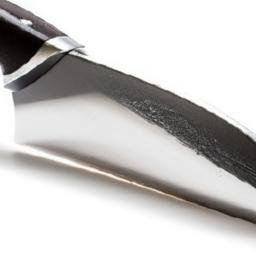
The blade is undeniably the centerpiece of any filleting knife, engineered to effortlessly separate flesh from bone with finesse. Typically measuring between 6 and 9 inches, the blade’s length is optimized to trace the natural curves of fish and other tender proteins. Its hallmark is flexibility, enabling it to bend and adapt to the fish’s shape, which facilitates clean cuts around bones and skin without damaging the delicate meat.
Choosing the Right Blade Material
The blade’s composition plays a pivotal role in its effectiveness and longevity. Filleting knives are predominantly crafted from three materials:
- Stainless Steel: Favored for its resistance to rust and corrosion, stainless steel blades are low-maintenance and ideal for the moist environments typical of seafood preparation.
- High-Carbon Stainless Steel: This hybrid material merges the toughness of carbon steel with the corrosion resistance of stainless steel, resulting in blades that maintain sharpness longer and are easier to resharpen.
- Ceramic: Known for exceptional sharpness and corrosion immunity, ceramic blades are lightweight but fragile, requiring careful handling to avoid chipping.
Blade Design and Contour
The blade’s shape is integral to its performance. Filleting knives usually feature a tapered, slender design that becomes more flexible toward the tip, allowing for precise, controlled cuts.
- Curved Edge: A gently curved blade facilitates smooth, sweeping motions, enabling the knife to glide effortlessly along the fish’s backbone.
- Thin Profile: A slim blade reduces resistance, ensuring delicate flesh isn’t torn during filleting. This thinness also enhances the blade’s flexibility, crucial for achieving clean, professional fillets.
Balancing Length and Flexibility
The blade’s flexibility varies depending on the fish species being prepared:
- Rigid Blades: These provide greater control and are better suited for larger, firmer fish such as tuna or swordfish.
- Highly Flexible Blades: Essential for smaller, more delicate fish like trout or sole, these blades bend easily to follow the contours of bones and skin, minimizing waste.
Handle Design: Enhancing Grip and Control
A filleting knife’s handle is crucial for comfort and precision. A thoughtfully designed handle offers a secure grip, reducing the risk of slips when working with wet or slippery fish.
Materials Used in Handles
Handles come in various materials, each with distinct advantages:
- Wood: Traditional and aesthetically pleasing, wooden handles provide a natural grip but require regular care to prevent water damage and warping.
- Plastic: Lightweight and water-resistant, plastic handles often feature textured surfaces to improve grip and are easy to clean.
- Rubber: Offering superior traction, rubber handles excel in wet conditions, enhancing control and reducing hand fatigue.
Ergonomics and Comfort
The shape and balance of the handle significantly influence user comfort and precision. Ergonomically contoured handles reduce strain during prolonged use and support various grip techniques, such as the pinch grip or full handle grip, which are vital for maneuvering the knife effectively.
Spine and Tang: Structural Integrity
The spine is the blade’s upper edge, while the tang is the portion extending into the handle, both contributing to the knife’s strength and balance.
- Full Tang: Extending the entire length of the handle, full tang knives offer superior durability and balance, making them the preferred choice for precise filleting tasks.
- Partial Tang: These knives have a tang that extends only partway into the handle, resulting in a lighter tool but potentially sacrificing some control and stability.
Blade Profiles Tailored to Fish Varieties
Selecting the appropriate blade profile can improve efficiency depending on the fish type:
- Flat Blades: Designed for flatfish like halibut and flounder, these blades allow easy access to thin, delicate flesh.
- Curved Blades: Ideal for round-bodied fish such as salmon and bass, curved blades enhance maneuverability around bones and skin.
Proper Maintenance for Longevity and Performance
Maintaining a filleting knife’s sharpness and condition is essential for optimal performance. Regular sharpening and cleaning prevent dullness and corrosion, especially for high-carbon steel blades.
Effective Sharpening Methods
- Whetstones: Offering precise edge refinement, whetstones require practice but deliver the sharpest results.
- Honing Rods: Common in professional kitchens, honing rods realign the blade’s edge between sharpenings to maintain cutting efficiency.
- Electric Sharpeners: Convenient for quick sharpening, these devices should be used sparingly to avoid excessive blade wear.
Final Thoughts: Mastering the Art of Filleting
The design and construction of a filleting knife—from blade material and shape to handle ergonomics and maintenance—work in harmony to provide precision and ease in filleting tasks. By understanding these components, both home cooks and professionals can elevate their seafood preparation, achieving clean, flawless fillets with confidence and skill.