

Beginner’s Blueprint to Crafting Custom Knives

Exploring Different Knife Styles
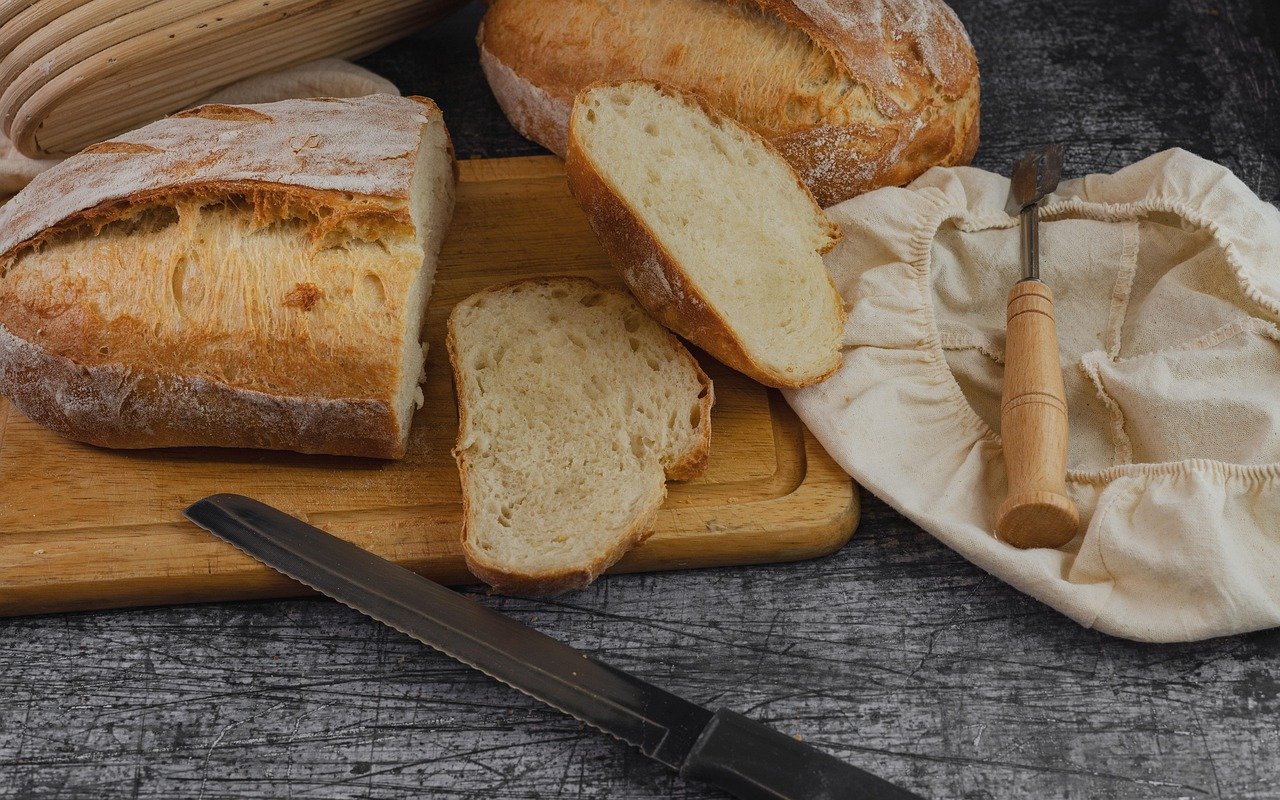
Knives are crafted in numerous styles, each tailored for specific uses. For novices stepping into knife making, understanding the primary categories is crucial:

- Drop Point Knives: Characterized by a convex curve on the spine, these knives are highly adaptable, making them ideal for outdoor activities such as camping and hunting.
- Bowie Knives: Recognizable by their large, clip-point blades, Bowie knives are favored for survival and wilderness applications.
- Chef’s Knives: Essential in kitchens worldwide, these knives feature broad blades designed for chopping, slicing, and dicing a variety of ingredients.
Must-Have Equipment for Knife Crafting
Equipping yourself with the right tools is fundamental to producing quality knives. Here’s a rundown of indispensable gear:
- Belt Grinder: Crucial for shaping the blade and refining its edges with precision.
- Forge and Anvil: For those embracing traditional blacksmithing, these tools allow you to heat and hammer steel into shape.
- Quenching Tank: Typically filled with oil or water, this tank rapidly cools the heated blade to harden the metal.
- Protective Equipment: Safety goggles, heat-resistant gloves, and dust masks are essential to safeguard against hazards during the crafting process.
Choosing the Right Materials
The selection of materials significantly influences the performance and durability of your knife. Consider these popular options:
- Blade Steel:
- High Carbon Steel: Known for its toughness and ease of sharpening, though it requires regular maintenance to prevent rust.
- Stainless Steel: Offers excellent resistance to corrosion, making it a preferred choice for kitchen knives and outdoor use.
- Handle Components:
- Hardwoods: Attractive and workable, woods like walnut or maple provide a classic look but need periodic care.
- Micarta: A composite material made from resin and fabric, prized for its durability and moisture resistance.
- G10: A fiberglass-based laminate that is lightweight, strong, and available in various colors and textures.
Fundamentals of Knife Design
Before forging your blade, drafting a detailed design is essential. Key design elements include:
- Blade Geometry: The shape and thickness affect cutting ability and intended use.
- Handle Ergonomics: The grip should feel natural and comfortable to reduce hand fatigue during use.
- Weight Distribution: Proper balance between blade and handle enhances control and precision.
Step-by-Step Blade Fabrication
- Steel Shaping: Begin by outlining your blade design on a steel blank using a permanent marker. Employ a belt grinder or files to sculpt the blade’s profile.
- Heat Treatment: Heat the blade in a forge until it reaches a bright red hue, then swiftly quench it in oil or water to harden the steel.
- Tempering: Reheat the blade at a lower temperature to reduce brittleness while maintaining hardness, ensuring durability and flexibility.
Constructing the Handle
- Cutting the Handle Blank: Shape your chosen handle material slightly larger than the final size to allow for detailed contouring.
- Refining the Shape: Use files, sandpaper, and rotary tools to sculpt the handle, focusing on comfort and grip security.
- Securing the Handle: Attach the handle to the tang with pins, rivets, or high-strength epoxy, ensuring a firm and stable fit.
Finalizing Your Knife
- Edge Sharpening: Progress through sharpening stones from coarse to fine grits to achieve a razor-sharp edge.
- Polishing: Apply polishing compounds to enhance the blade’s luster and provide a degree of corrosion resistance.
- Protective Finishes: For high carbon steel blades, consider applying oils or waxes to prevent oxidation and rust.
Prioritizing Safety Throughout the Process
Knife making involves handling sharp tools and hot materials, so safety is paramount:
- Wear Appropriate Safety Gear: Always use eye protection, gloves, and respiratory masks when necessary.
- Ensure Proper Ventilation: Work in a well-ventilated space to avoid inhaling fumes or dust.
Engaging with the Knife-Making Community
Learning from others can accelerate your skills and provide inspiration. Consider these avenues:
- Online Communities: Forums like BladeForums and Reddit’s r/knifemaking offer advice, critiques, and camaraderie.
- Video Tutorials: Platforms such as YouTube host numerous detailed guides from seasoned knife makers.
- Local Classes and Workshops: Hands-on instruction can be invaluable for mastering techniques and safety.
Incorporating Eco-Friendly Practices
Adopting sustainable methods benefits both your craft and the environment:
- Utilize Reclaimed Materials: Repurpose old tools or scrap metal to create unique blades.
- Source Materials Locally: Reducing transportation emissions by choosing nearby suppliers supports sustainability.
Advancing Your Craftsmanship
After mastering foundational skills, challenge yourself with advanced techniques:
- Explore Damascus Steel: Learn pattern welding to create visually striking and strong blades.
- Innovate Handle Designs: Experiment with exotic woods, resin inlays, or ergonomic enhancements.
Personalizing Your Creations
Adding custom touches elevates your knives beyond mere tools:
- Engraving and Etching: Incorporate initials, logos, or decorative patterns for a unique identity.
- Specialized Finishes: Try acid etching, stonewashing, or colored coatings to enhance aesthetics and functionality.
Understanding Legal Regulations
Before marketing or displaying your knives, research local laws regarding ownership, sale, and transport to ensure compliance and avoid legal complications.
Tracking Your Progress
Maintain a detailed journal documenting your designs, materials, techniques, and lessons learned. This record will serve as a valuable reference and showcase your growth over time.
Investing in Continued Education
Consider enrolling in specialized courses or acquiring authoritative books on metallurgy and knife making to deepen your expertise and refine your skills.
Participating in Knife Exhibitions
Attend knife shows and expos to network with fellow artisans, discover innovative tools, and stay updated on industry trends.
The Art and Fulfillment of Knife Making
Knife making transcends mere fabrication; it is a craft that embodies patience, precision, and creativity. Embrace the journey, celebrate your milestones, and recognize that each knife you forge is a testament to your dedication and artistry.
By following this comprehensive guide, beginners can embark on a rewarding path of crafting personalized knives that blend practicality with individual expression, fostering both skill development and creative satisfaction.