



The Environmental Impact of Blade Sharpeners: What You Need to Know
Understanding Blade Sharpeners
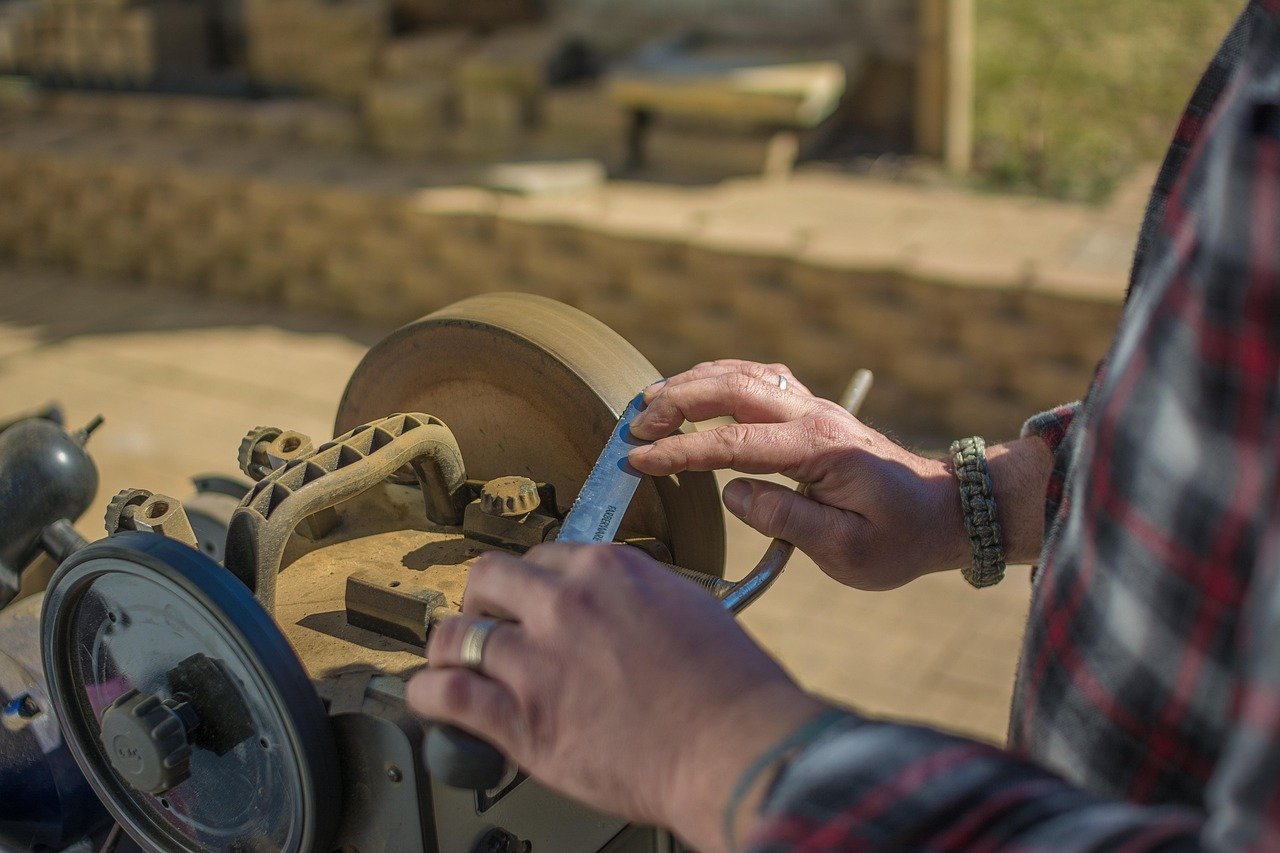
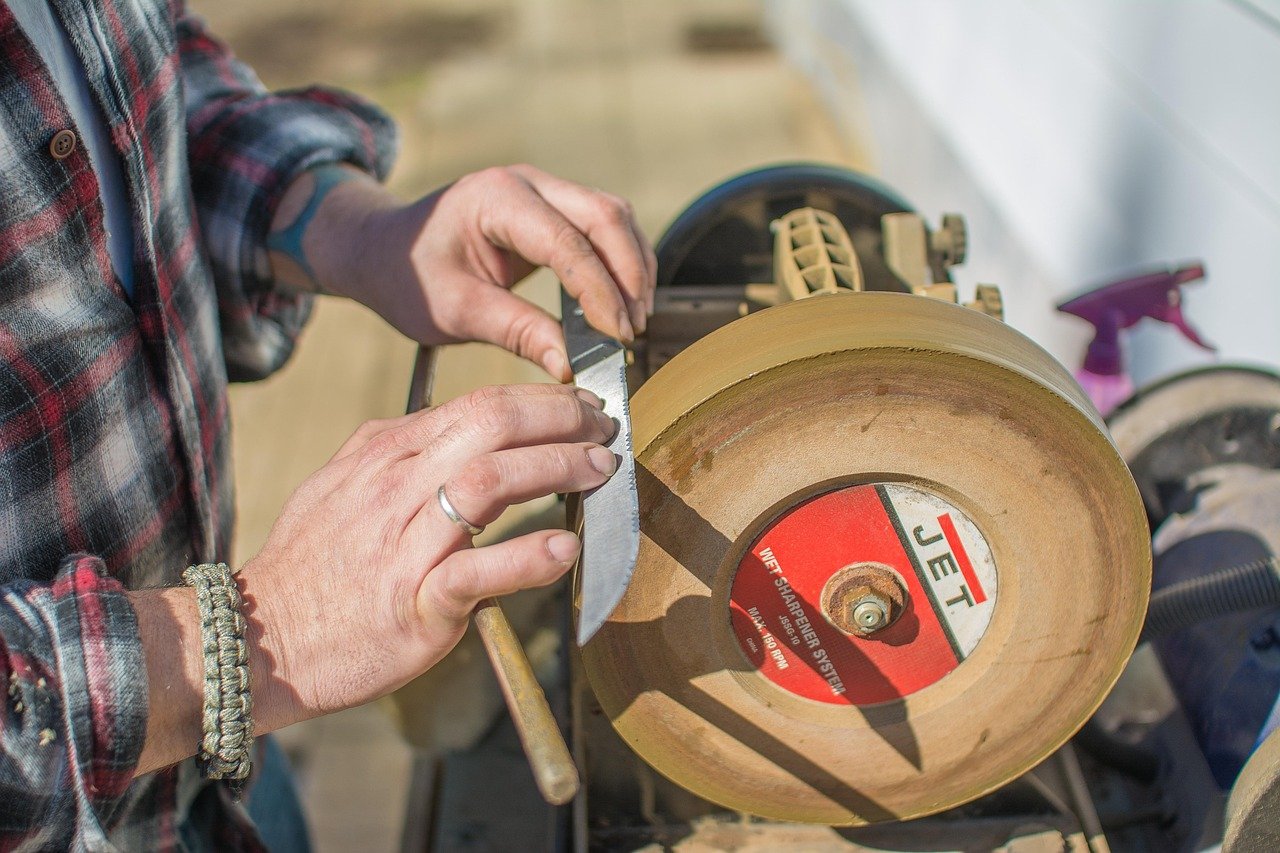
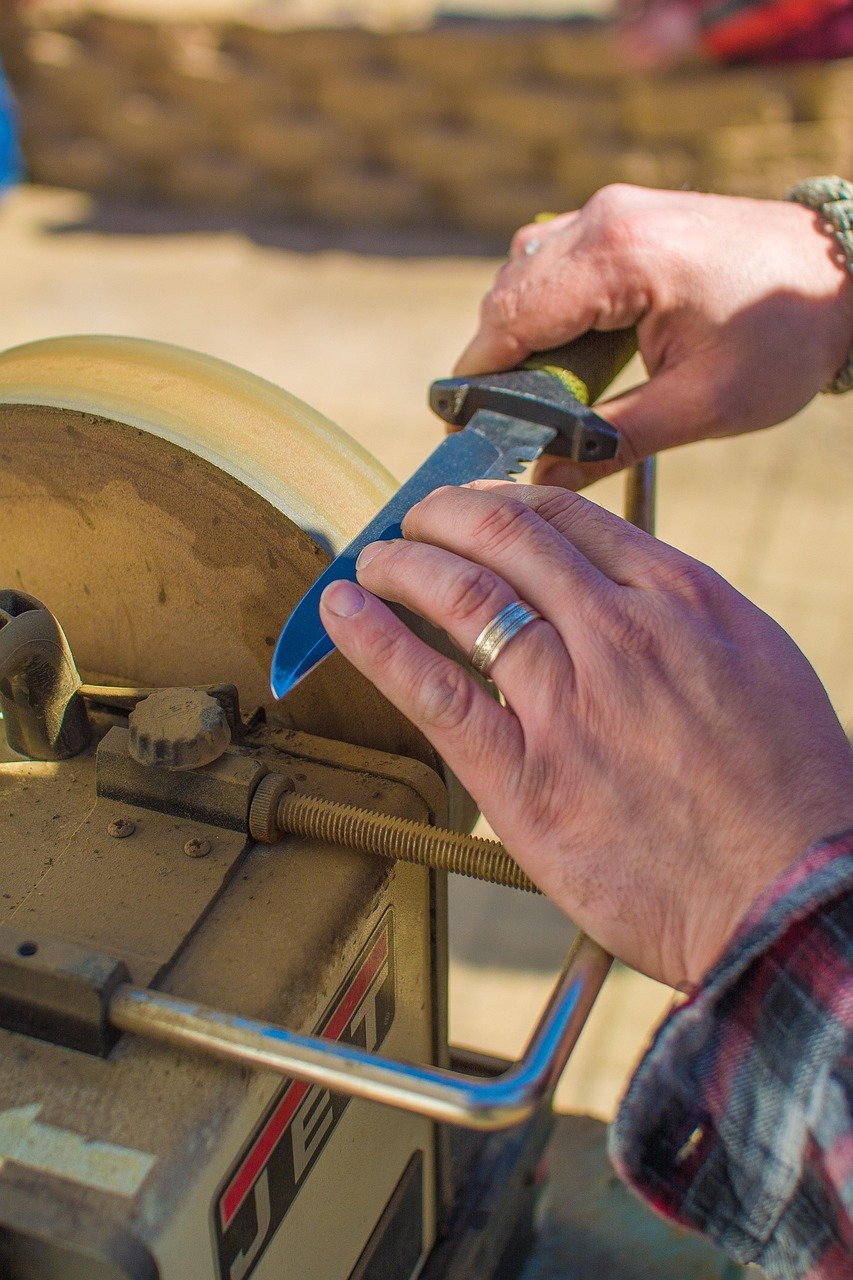
Blade sharpeners are tools used to maintain and enhance the cutting edges of knives, scissors, and various blades. They come in various forms—including electric sharpeners, whetstones, manual sharpeners, and ceramic rods. Understanding their environmental impact requires examining their materials, production processes, usage, and end-of-life disposal.
Material Considerations
The environmental impact of a blade sharpener starts with its materials. Many sharpeners, especially electric ones, contain a combination of metals, plastics, and sometimes natural stones.
Metals: Steel and aluminum are commonly used in traditional sharpeners. The extraction and processing of these metals have considerable environmental costs, including habitat destruction and greenhouse gas emissions. Steel production alone is responsible for about 7-9% of global carbon emissions.
Plastics: Many sharpeners are encased in plastic, derived from petroleum, a non-renewable resource. The production and disposal of plastic contribute significantly to pollution, often ending up in landfills or oceans, where they can take centuries to decompose.
Natural Stones: Traditional whetstones are made from natural materials. Although these have a lower carbon footprint due to their natural origins, the extraction methods can still lead to environmental degradation and habitat loss.
Production Processes
The manufacturing processes involved in producing blade sharpeners can significantly impact the environment.
Electric Sharpeners: The production of electric blade sharpeners involves energy-intensive processes, especially in the electronics and plastic production. The sourcing of rare materials for electronic components can lead to environmental degradation in mining regions.
Traditional Sharpeners: The maker’s choice of materials and methods can reduce or enhance environmental impact. Small-scale artisans may use more sustainable practices than mass-production factories, which often prioritize cost-cutting, leading to greater ecological damage.
Energy Consumption
Using an electric blade sharpener has a direct environmental impact through energy consumption. The electricity consumed can vary based on the sharpener’s efficiency.
Efficiency: An energy-efficient sharpener will mitigate some environmental effects, yet many electric sharpeners use more power than necessary and can lead to increased greenhouse gas emissions based on the energy source. If the electricity is derived from fossil fuels, the overall carbon footprint increases significantly.
Frequency of Use: The more frequently a sharpener is used, the more energy it consumes. Those needing regular sharpening may contribute to higher overall emissions due to sustained energy use.
Longevity and Durability
The lifespan of a blade sharpener plays a crucial role in determining its environmental impact.
Durability: High-quality sharpeners, particularly those made from stainless steel or high-carbon steel, can last years, thus reducing the frequency of replacement. Handheld sharpeners typically last longer than electric counterparts, which may be designed with planned obsolescence.
Waste Generation: When sharpeners break or wear out, they contribute to electronic waste (ewaste) if they’re electric. E-waste contains heavy metals and plastics, which can leach into soil and waterways, posing severe environmental threats.
Disposal and Recycling
Responsibly discarding or recycling blade sharpeners can mitigate their environmental impact.
Traditional Sharpeners: These can often be recycled, especially if made primarily of metal and minimal plastic components. Check local outlets and recycling programs.
Electric Sharpeners: Recycling options for electric sharpeners are often limited due to the combination of materials. It’s crucial to locate e-waste recycling centers that can handle the specific components.
Sustainable Alternatives
Fortunately, there are eco-friendly alternatives to conventional blade sharpeners that reduce environmental impact significantly.
Manual Sharpeners: The use of whetstones and manual sharpeners minimizes reliance on electricity. They require more skill but help to extend a blade’s life without added energy costs.
Natural Materials: Seek sharpeners made from sustainably sourced materials. Some brands use recycled metals and eco-friendly plastics.
Upcycling and DIY: Repurpose old materials to create personal sharpeners. This not only reduces waste but also allows individuals to take control of their sharpening needs sustainably.
Water and Resource Use
In some sharpening practices, water is often used to cool blades and remove debris.
Water Use: Manual sharpening often requires water to be effective, creating a small but real water footprint. As water scarcity becomes a significant global issue, all steps should be taken to conserve this resource.
Resource Consideration: Understanding and using local resources for sharpening methods (like local stones) can minimize transportation emissions and make the process more sustainable.
Consumer Choices and Education
Engaging with the environmental impacts of blade sharpeners requires consumer awareness and choice.
Brands and Certifications: Evaluate brands that prioritize sustainable materials and ethical manufacturing practices. Certifications promoting environmental responsibility can guide consumers toward better choices.
Educating Others: Sharing knowledge about the environmental impacts of sharpeners fosters more responsible consumer behavior, creating a ripple effect in the community.
Future Trends
As environmental awareness continues to rise, innovations in blade sharpener design and production will likely evolve.
Eco-Friendly Designs: Future sharpeners may integrate renewable materials and more efficient energy usage, focusing on lifecycle impact.
Circular Economy: The push toward a circular economy means manufacturers might produce more easily recyclable designs, potentially reducing waste and promoting reuse.
Regulations and Guidelines
Governments and organizations continue to develop regulations surrounding manufacturing and recycling practices, potentially influencing the market.
Standard Practices: Adoption of guidelines can ensure that manufacturers are taking responsibility for the entire lifecycle of their products, from creation to disposal.
Consumer Regulations: As consumers demand more sustainable options, businesses may respond by adopting greener practices, further reducing the overall environmental impact associated with blade sharpeners.
In summary, understanding the environmental impact of blade sharpeners involves examining their materials, production processes, energy consumption, longevity, disposal, and consumer choices. By making informed decisions, consumers can significantly contribute to reducing the ecological footprint of these everyday tools.