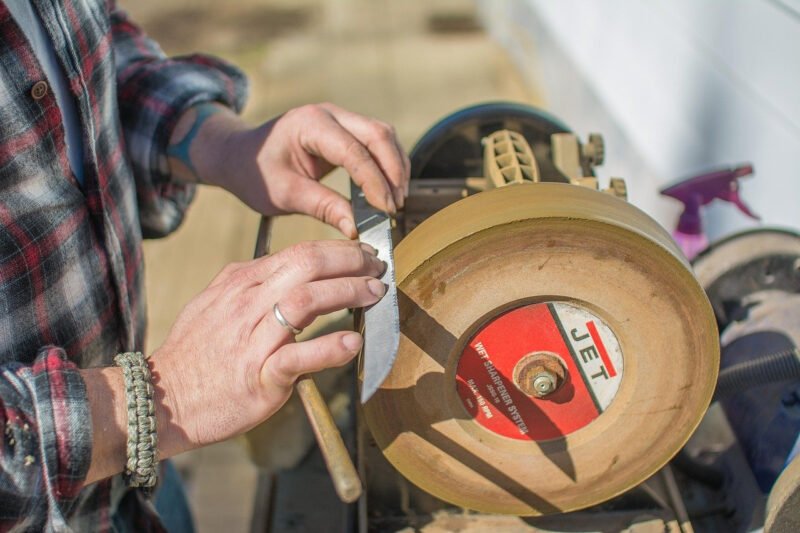




Mastering Knife Safety: A Comprehensive Guide to Sharpening
Handling knives safely is a fundamental aspect of kitchen work, especially when it comes to sharpening. While a well-honed blade enhances cooking efficiency, mishandling knives during sharpening can cause serious harm. Developing safe sharpening habits involves combining the correct methods, appropriate tools, and a well-prepared workspace to protect yourself and maintain your knives’ performance.
Sharpening Tools: Choosing the Right Equipment
Before you begin sharpening, it’s important to select the right tools, each offering distinct benefits and sharpening angles:
Sharpening Stones (Whetstones): Favored by professional chefs, whetstones typically feature a dual-sided surface—one coarse for restoring dull blades and a finer grit for polishing. Mastery of this tool provides precise control over the blade’s sharpness.
Honing Rods: Designed to realign the blade’s edge rather than sharpen it, honing rods help maintain sharpness between full sharpening sessions.
Electric Sharpeners: These devices offer speed and ease, ideal for busy kitchens, but require careful use to avoid removing too much metal or damaging the blade’s integrity.
Manual Pull-Through Sharpeners: User-friendly and convenient, these sharpeners are great for beginners but may not achieve the refined edge that professional tools provide.
Leather Strops: Used for the final edge refinement, leather strops polish and straighten the blade, delivering a razor-sharp finish.
Setting Up a Safe Sharpening Station
Creating a secure and efficient sharpening environment is essential to prevent accidents and ensure optimal results. Follow these preparation tips:
- Clear and Clean Surface: Remove clutter from your workspace to avoid distractions and accidental slips.
- Stable Base: Place your whetstone or sharpening tool on a non-slip mat or damp towel to keep it steady during use.
- Bright Lighting: Adequate illumination helps you maintain the correct blade angle and monitor progress.
- Protective Gear: Consider wearing cut-resistant gloves and an apron to shield yourself from potential cuts and debris.
Proper Knife Handling Techniques for Sharpening
Correct grip and positioning are vital for both safety and sharpening effectiveness:
- Firm Grip: Hold the knife handle securely with your dominant hand, keeping fingers safely behind the blade edge.
- Blade Angle: When sharpening on a whetstone, maintain a consistent angle between 15 and 20 degrees for optimal edge formation.
- Support Hand: Use your non-dominant hand to gently stabilize the knife without placing fingers near the cutting edge.
Step-by-Step Guide to Sharpening with a Whetstone
The whetstone method remains a favorite for its precision and control. Here’s how to sharpen your knife effectively:
1. Prepare the Stone
Immerse a water-based whetstone in water for 10 to 15 minutes to saturate it fully. For oil stones, apply a thin layer of honing oil instead. Proper lubrication prevents blade damage and enhances sharpening efficiency.
2. Set the Correct Angle
Position the knife so the blade forms a 15-20 degree angle with the stone’s surface. This angle balances sharpness with edge durability, but always check your knife manufacturer’s recommendations.
3. Sharpen the Blade
- Start at the Heel: Place the heel of the blade on the stone and draw it toward you, applying moderate pressure while maintaining the angle.
- Cover the Entire Edge: Glide the blade smoothly from heel to tip, ensuring the whole edge contacts the stone.
- Repeat Evenly: Perform 5 to 10 strokes on one side, then switch to the other side to maintain a balanced edge.
4. Refine the Edge
Flip the whetstone to the finer grit side and repeat the sharpening strokes. This step polishes the blade, removing burrs and enhancing sharpness.
Maintaining Sharpness: Honing Your Knife
After sharpening, regular honing keeps your blade aligned and extends the time between full sharpenings:
- Hold the honing rod vertically with its tip resting on a stable surface.
- Place the knife at a 15-20 degree angle against the rod.
- Draw the blade down the rod from heel to tip, alternating sides with each stroke.
Post-Sharpening Care and Cleanup
Proper cleanup preserves your tools and ensures safety for future use:
- Clean the Stone: Rinse your whetstone under running water and allow it to air dry completely before storage.
- Wipe the Blade: Remove metal filings and residue with a damp cloth to prevent corrosion.
- Safe Storage: Store knives in a block, sheath, or magnetic strip to protect the edges and prevent accidents.
Common Pitfalls to Avoid When Sharpening
Even experienced cooks can make errors that compromise safety or blade quality. Watch out for these frequent mistakes:
- Excessive Pressure: Pressing too hard can damage the blade or cause slips. Focus on steady, controlled strokes instead.
- Multitasking: Sharpen knives only when fully focused to avoid distractions that could lead to injury.
- Incorrect Angles: Using the wrong angle dulls the blade faster and reduces cutting efficiency.
- Inconsistent Technique: Maintain uniform strokes to create a sharp, long-lasting edge.
Additional Safety Recommendations
- Use Sharp Knives Regularly: Contrary to intuition, dull knives increase injury risk because they require more force to cut.
- Keep Your Area Dry: Moisture can cause tools or knives to slip, so maintain a dry, tidy workspace.
- Minimize Distractions: Avoid phone calls or conversations during sharpening to maintain full attention.
- Routine Maintenance: Frequent honing reduces the need for aggressive sharpening, preserving blade life and safety.
- Share Knowledge: In shared kitchens, educate others on safe sharpening practices to foster a safer environment for all.
Conclusion: Prioritizing Safety in Knife Sharpening
Sharpening knives is a vital culinary skill that enhances cooking precision and efficiency. However, it demands careful attention to safety protocols to prevent injuries. By following these detailed guidelines and maintaining a disciplined approach, you can confidently sharpen your knives while safeguarding yourself and prolonging the life of your kitchen tools.