

Knife Sharpening 101: How to Do It at Home
Understanding Knife Types and Their Edges
To effectively sharpen a knife, it’s essential to first understand the types of knives you might have in your kitchen. Common types include:
- Chef’s Knife: A versatile tool for slicing, dicing, and chopping.
- Paring Knife: Ideal for intricate tasks like peeling and trimming.
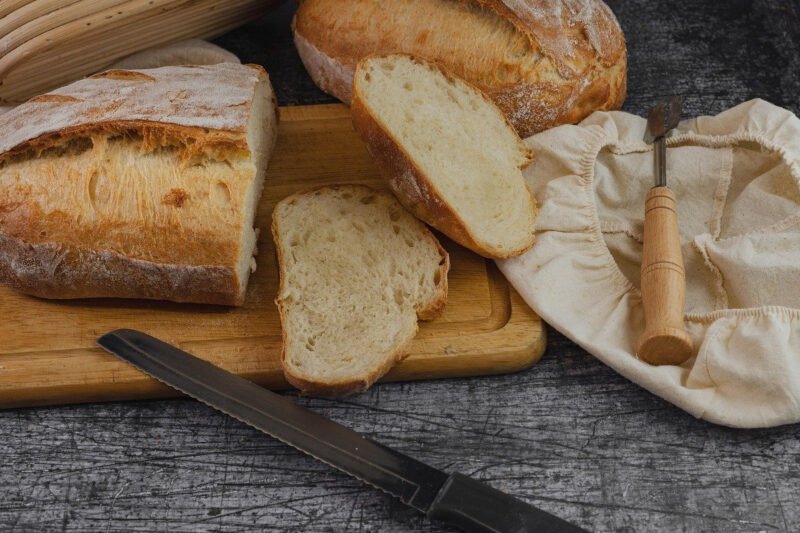
- Serrated Knife: Perfect for cutting bread or tomatoes, and requires specialized techniques.
- Boning Knife: Used for deboning meat and has a flexible blade.
Each knife typically features a specific blade angle. Western-style knives generally have a 20-degree angle, while Japanese knives may have a sharper angle of around 15 degrees. This difference affects how you sharpen them.
The Importance of Knife Maintenance
Regular sharpening maintains the blade’s edge, improving cutting efficiency and safety. A dull knife requires more force, which can lead to accidents. It’s not just about sharpness; a well-maintained knife lasts longer, reducing the need for replacements.
Tools for Knife Sharpening
Whetstone: A traditional sharpening tool used by many chefs. Whetstones come in various grits, usually ranging from coarse (200-600) to medium (800-2000) and fine (above 2000).
Honing Rod: Often mistaken for a sharpening tool, honing rods realign the blade’s edge but do not sharpen it. Regular use helps maintain the edge between sharpenings.
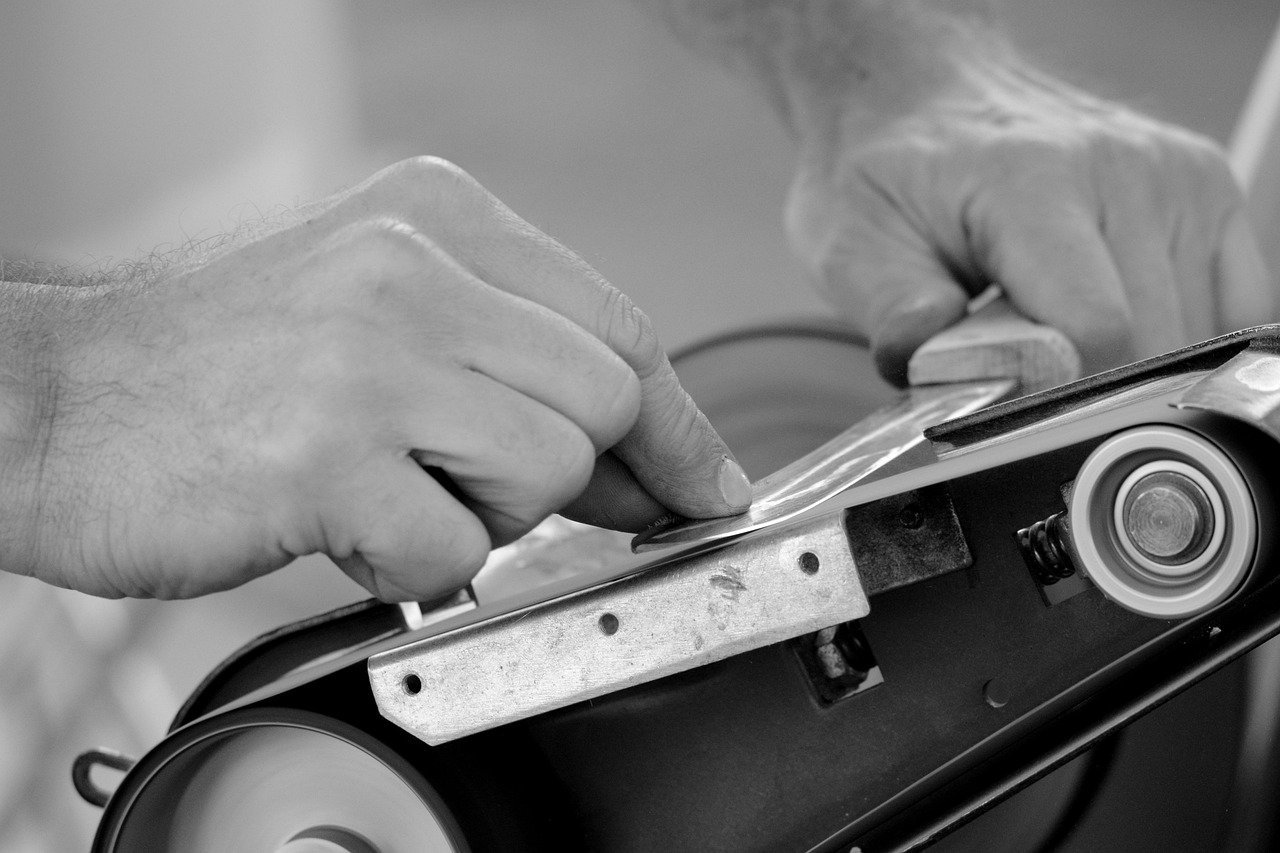
Electric Sharpeners: Provide a quick and easy way to sharpen knives but can be overly aggressive, especially on high-quality knives.
Manual Sharpeners: Compact devices that consist of two or more ceramic or carbide rods. Quick and user-friendly, but not suitable for all types of knives.
Diamond Sharpening Plates: An excellent option for those who prefer a faster sharpening method. They cut through steel quickly and require minimal maintenance.
Sharpening Process: Step-by-Step Guide
Prepare Your Workspace: Begin by selecting a stable surface. Lay down a towel to prevent slipping and protect your surfaces when using a whetstone.
Soak the Whetstone: If you’re using a whetstone, soak it in water for about 10-15 minutes before sharpening. This helps lubricate the stone and prevents damage to both the stone and the blade.
Identify the Blade Angle: Most chef’s knives should be sharpened at a 20-degree angle. To achieve this, hold the blade against the whetstone, ensuring it’s at the right angle.
Sharpening Techniques:
- Pulling Technique: Place the heel of the knife on the stone and pull it toward you while maintaining the angle. Slide from the heel to the tip in one smooth motion.
- Pushing Technique: Start from the tip and push the knife down to the heel. This technique is especially effective for serrated knives.
Alternate Sides: After sharpening one side, flip the knife and repeat the process on the other side. It’s crucial to maintain equal pressure on both sides to ensure an even edge.
Test for Sharpness: After sharpening, test the blade’s sharpness by slicing through a piece of paper. A sharp blade should cut through smoothly without tearing.
Honing: After sharpening, use a honing rod to realign the edge. Hold the rod vertically and slide the blade down while maintaining the correct angle. Repeat several times on both sides.
Clean the Knife: Rinse and dry your knife after sharpening. Remove any metal shavings or residue that may have been produced during the sharpening process.
Glass vs. Leather Strops
Stropping is a technique used to polish the blade after sharpening. Leather strops are typically favored for high-quality knives as they align the edge without removing material. Glass strops can also be effective, especially for stainless steel blades.
Preparing the Strop: Apply a polishing compound onto the strop. This helps to refine the edge.
Stropping Technique: Hold the knife at a low angle (about 10 degrees) and pull it along the strop. Start from the heel and move toward the tip. Repeat on both sides.
Common Mistakes to Avoid
- Neglecting Regular Maintenance: Failing to hone regularly increases the need for sharpening.
- Incorrect Angle: Sharpening at an incorrect angle can damage the blade and reduce effectiveness.
- Using Excessive Pressure: Too much pressure can lead to uneven edges and wear out the blade faster.
- Neglecting the Other Side: Uneven sharpening can lead to a tilted edge, affecting performance.
Tips for Different Knife Materials
Stainless Steel: Requires a fine grit stone for polishing. Be gentle to avoid chipping.
Carbon Steel: Holds a sharp edge well, but can rust. Keep it maintained with oiling after each use.
Ceramic Knives: Use a diamond sharpening tool as they are too hard for standard whetstones.
Damascus Steel: Showcases beautiful patterns but requires gentle sharpening to avoid damaging the aesthetics.
Storage Solutions
Proper storage is key to maintaining knife sharpness. Consider the following options:
Knife Blocks: They keep your knives organized while protecting the blades.
Magnetic Strips: Effective for easy access and storage, they prevent the blades from rubbing against one another.
Knife Rolls: Ideal for chefs on the go, maintaining the knife’s integrity while allowing transport.
Drawer Inserts: Keep knives secure and protected, minimizing accidental scrapes and bumps.
Conclusion
Knife sharpening isn’t just a necessary chore; it’s an essential skill that extends the life of your knives and enhances your culinary experience. By practicing the techniques outlined, utilizing the right tools, and understanding the nuances of different knife types and materials, you can become proficient at home sharpening. As you refine your skills, you’ll find that maintaining your knife collection becomes a rewarding and engaging task, allowing you to enjoy the art of cooking even more. Whether you’re a beginner or a seasoned chef, these knife sharpening basics will ensure your kitchen remains a safe and efficient environment.