



Understanding Knife Sharpness
Knives play a crucial role in culinary arts, home cooking, and even outdoor activities. A sharp knife not only enhances precision but also ensures safety while using it. When blades become dull, they can slip while cutting, potentially leading to accidents. Thus, understanding how often to sharpen knives is essential for both professional chefs and home cooks.
Signs That Your Knife Needs Sharpening
Before delving into how often to sharpen your knives, it’s important to recognize the signs that suggest it’s time for maintenance. Here are several markers indicating that your blade is dull:
Resistance When Cutting: If you find yourself exerting more pressure while slicing through foods, whether soft tomatoes or crusty bread, your knife is likely dull.
Visual Inspection: Upon examining the edge, if it looks shiny or reflects light rather than having a matte finish, it may need sharpening.
Paper Test: A classic method includes attempting to slice through a sheet of paper. If the knife drags or tears instead of cutting cleanly, sharpening is essential.
Food Damage: If the knife causes more crushing than slicing in delicate items, such as herbs or fish, it signifies a dull blade.
Feeling: If cutting feels unsafe or cumbersome, it’s time to reassess the sharpness of your knife.
Frequency of Knife Sharpening
The frequency of knife sharpening largely depends on how often you use them and the type of cutting they perform. Here are some general guidelines:
Light Use (Home Chefs)
For individuals who use their kitchen knives occasionally:
- Frequency: Every 6 months to 1 year.
- Activities: If you primarily use your knife for simple cutting tasks, such as slicing fruit or vegetables occasionally, your blades will not dull quickly.
Moderate Use (Regular Cooking)
For home cooks or those who prepare meals a few times a week:
- Frequency: Every 3-6 months.
- Activities: Regular preparation of meals and occasional cutting of tougher items (like squash or root vegetables) may require more frequent sharpening.
Heavy Use (Professional Chefs)
For chefs or culinary enthusiasts who are in the kitchen daily:
- Frequency: Every week or two.
- Activities: Heavy usage, including constant slicing, chopping, and dicing, dulls blades quickly, necessitating regular sharpening.
Occasional Touch-Ups
Regardless of usage frequency, it is advisable to use honing tools:
- Frequency: Every use or after significant chopping task.
- Honing Steels: Honing helps realign the edge of the knife without removing material. This can prolong the time between sharpening.
Methods of Sharpening
Understanding various sharpening techniques can help you maintain your knives effectively. Here are the most popular methods:
Whetstones: The most preferred and versatile option among serious cooks. Whetstones provide custom angles for each blade type.
- Technique: Soak the stone in water for about 10-15 minutes. Maintain a consistent angle (usually around 15-20 degrees) while moving the knife across the stone, alternating between sides.
Pull-Through Sharpeners: Convenient and user-friendly, these devices often contain preset angles that guide the user.
- Technique: Insert the blade into the slot and pull through a specified number of times according to the manufacturer’s instructions.
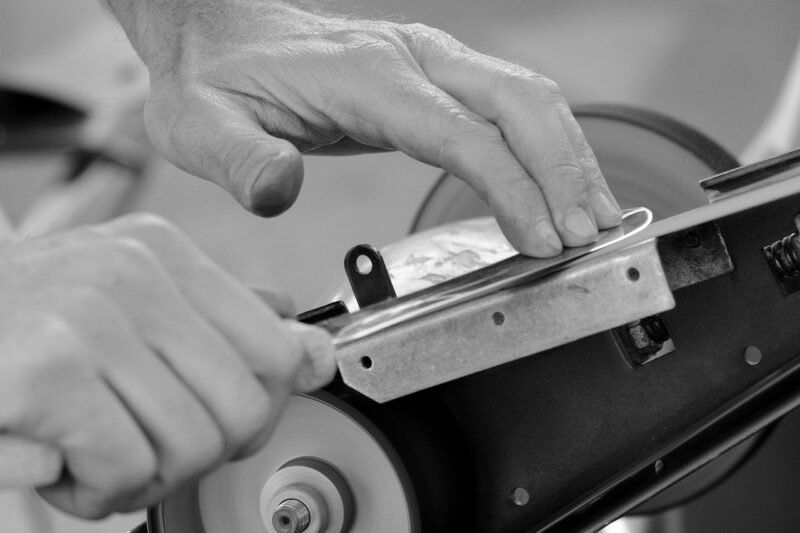
Electric Sharpeners: Fast and efficient, these machines are great for quick dullness correction but can be abrasive.
- Technique: Follow the manufacturer’s recommendations and pass the knife through the slots at a consistent, even pace.
Honing Rods: More of a maintenance tool than a sharpening tool, honing rods help keep the blade edge aligned.
- Technique: Place the tip of the rod on a stable surface, hold the knife at an angle (around 15-20 degrees), and gently swipe downwards while applying light pressure.
Special Considerations for Different Blade Types
Chef’s Knives: Formula for regular maintenance can be different based on usage, but most typically require sharpening every 3-6 months.
Serrated Knives: These should typically be sharpened less frequently as they can maintain cutting edge longer. They may require professional sharpening or specific tools.
Japanese Knives: Known for their precision and delicate edges, they may require more frequent honing, but caution is essential due to their thinner blade construction.
Storing Your Knives
Proper storage significantly impacts the longevity of your knife’s sharpness. Follow these guidelines:
Knife Blocks: Protects the edges and prevents them from rubbing against other blades.
Magnets: Wall-mounted magnetic strips allow for easy access and showcase your knives while protecting them from potential damage.
Sheaths: Individual blade sheaths help maintain sharpness when storing knives in drawers.
Professional Sharpening Services
Investing in professional knife sharpening services can be beneficial, particularly for valuable knives or those that have become excessively dull.
Frequency: Consider annual professional services, especially for high-end knives.
Cost: These services vary but often yield significant enhancements to blade quality.
Maintaining Your Knives Between Sharpening
Aside from regular sharpening, proper care can extend your knife’s life:
Cleaning: Hand wash your knives with mild soap and warm water. Avoid dishwashers.
Drying: Always dry knives immediately to prevent rust and corrosion.
Cutting Boards: Use soft cutting boards (wood or plastic) versus harder surfaces (ceramic or glass) to minimize edge damage.
Usage Hash: Allocate specific knives for distinct tasks to prevent cross-contamination and excessive sharpening.
By understanding the factors that dictate knife maintenance and sharpening frequency, you can enjoy a well-maintained kitchen set that ensures pristine cutting performance.