

Understanding Knife Sharpening Methods
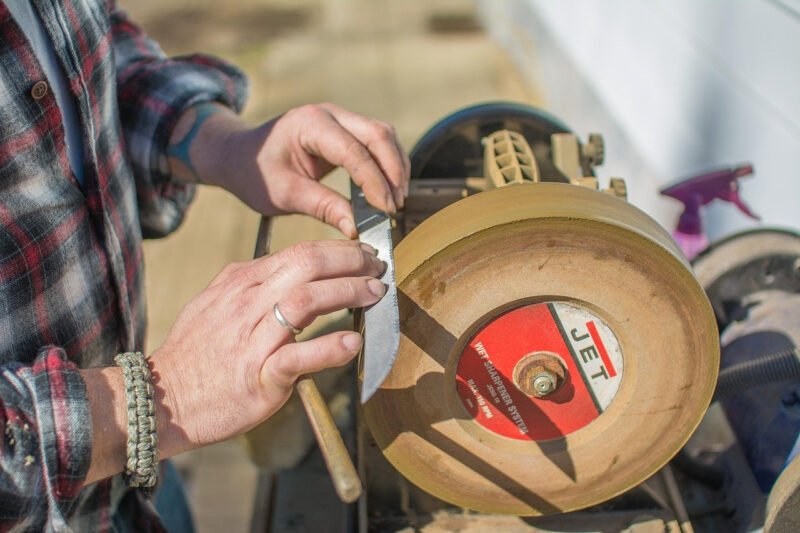
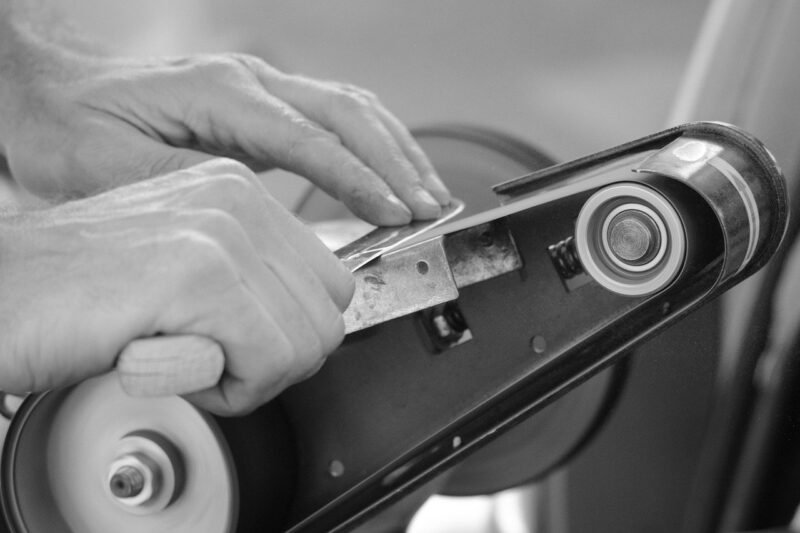
Knife sharpening is an essential skill for both chefs and outdoor enthusiasts. Among various methods, using a leather belt to hone your knife is an effective and traditional technique that can yield impressive results. The process involves utilizing the belt as a honing device to realign the edge of the blade rather than removing material, which is necessary for sharpening.
Selecting the Right Leather Belt
Type of Belt
To effectively sharpen your knife, choose a high-quality leather belt. Look for belts with a smooth surface that are free from any significant wear or damage. Ideal belts are often made from full-grain leather, which provides the ideal firmness and smoothness for honing purposes.
Width of the Belt
Typically, a 1.5 to 2-inch wide belt works best for this sharpening technique. A wider belt allows a more stable sharpening surface, while narrower belts can get into tighter spaces and are easier to maneuver.
Condition of the Belt
Ensure that the leather belt is clean and free from dirt or contaminants. If necessary, clean it with a damp cloth and let it dry before use. Check for cracks or excessive wear; a damaged belt will not perform effectively.
Preparing Your Knife
Cleaning the Knife
Before honing your knife, it’s crucial to clean it thoroughly. Use warm soapy water to wash the blade, then rinse and dry it completely. A clean blade ensures that no debris will be present during the honing process, which could cause scratching or dulling.
Inspecting the Blade
Examine the knife for any visible nicks or chips. If the edge is severely damaged, sharpening with a whetstone or other sharpening tools may first be required before honing with the leather belt. Make sure the blade’s edge is well aligned.
Setting Up for Sharpening
Creating a Safe Work Environment
Choose a stable surface for sharpening, like a countertop or workbench. Ensure the area is well lit, and wear safety gloves if desired. A firm grip on the knife is vital for effective honing.
Positioning the Leather Belt
Find a secure way to anchor the leather belt. You can either attach it to a stationary object or wrap it around a solid surface, ensuring that it is taut and stable. If you cannot secure it, you can hold the belt with one hand while honing the blade with the other.
The Honing Process
Holding the Knife Correctly
Grip the knife securely, holding the handle firmly in your dominant hand. Keep your fingers clear of the blade’s edge while maintaining control.
Angling the Blade
Tilt the knife at an angle of about 15 to 20 degrees against the leather belt. This positioning is key to effectively honing the blade without damaging it. A steeper angle may lead to a duller edge, while a flatter angle may not provide enough honing.
Executing the Motion
Begin honing by pulling the knife down and across the leather belt from heel to tip in a smooth and even motion. Ensure that you maintain consistent pressure. The motion should resemble slicing through the belt, which helps to realign the edge.
- Repeat the Motion: Perform 3-5 strokes on one side of the blade. The goal is to use enough motion to smooth out the edge without applying excessive pressure.
Alternating Sides
After honing one side, switch to the opposite side of the blade and repeat the process. This alternation helps ensure that the knife edge is evenly aligned. Continue alternating sides until you feel satisfied with the edge’s sharpness.
Enhancing the Process with Buffing Compound
To further increase the sharpness and finish of the blade, consider applying a buffing compound.
Selecting a Suitable Compound
Choose a polishing compound suitable for leather and knife honing, such as green chromium oxide or other fine compounds. These materials help achieve a razor-sharp edge.
Applying the Compound
Lightly rub the compound onto the leather belt before beginning the honing process. A small amount goes a long way; avoid over-applying it. The compound will contribute to refining the knife edge and enhancing its overall sharpness.
Safety Considerations
Proper Handling
Always be cautious while handling your knife. Maintain awareness of where your fingers are positioned relative to the blade. If you feel fatigued, take a break; excessive pressure due to fatigue can lead to accidents.
Knife Storage
After honing, ensure proper storage of the knife to maintain its sharp edge. Store knives in a designated place, such as a knife block or magnetic strip, away from other utensils that could dull them over time.
Maintenance of the Leather Belt
Cleaning and Conditioning
After several uses, clean the leather belt to remove any residual metal shavings or debris. Use a damp cloth and allow it to dry before conditioning the leather with a specialized leather conditioner.
Inspecting for Wear
Regularly inspect the leather belt for signs of wear. A worn belt may need to be replaced or refurbished to maintain its effectiveness for honing.
Conclusion of the Process
Honing your knife with a leather belt is an effective technique embraced by many knife enthusiasts. This method not only extends the life of your knives but also sharpens your honing skills, allowing for safe and efficient knife use in the kitchen or outdoors. By mastering this technique, you’ll enhance your knife’s performance and efficiency, fully optimizing your culinary and outdoor experiences.