


Home Knife Sharpening: Best Practices for Optimal Results
Understanding Knife Sharpness
Knife sharpness is a critical aspect of kitchen efficiency and safety. A sharp knife reduces the effort needed for cutting, slicing, and dicing, while also enhancing precision. A dull blade can lead to mishaps, ineffective food preparation, and even injury. Enhancing your knives is not just about performance; it is about wielding the right tool for the job.
Types of Knives that Require Sharpening
Every chef should understand which knives need regular maintenance. The primary types that require sharpening include chef’s knives, paring knives, and serrated knives. While most fixed blades can be sharpened, some blades, such as ceramic knives, require specialized care. Understanding the material and construction of your knife is essential before deciding on a sharpening method.
Choosing the Right Sharpening Tools
The first step in maintaining your knife is selecting the right sharpening tools. The primary options available are:
Whetstone: Preferred by professional chefs, a whetstone allows for precise sharpening. Available in different grits, it requires skill but offers superior results.
Honing Rod: This tool is often used to realign the edge of the blade. It is not a sharpening tool, but rather a maintenance tool, essential for keeping your knives sharp between sharpening sessions.
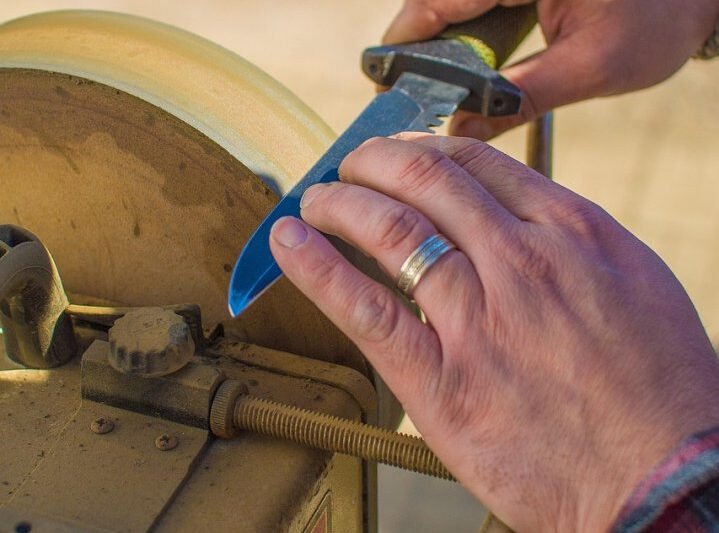
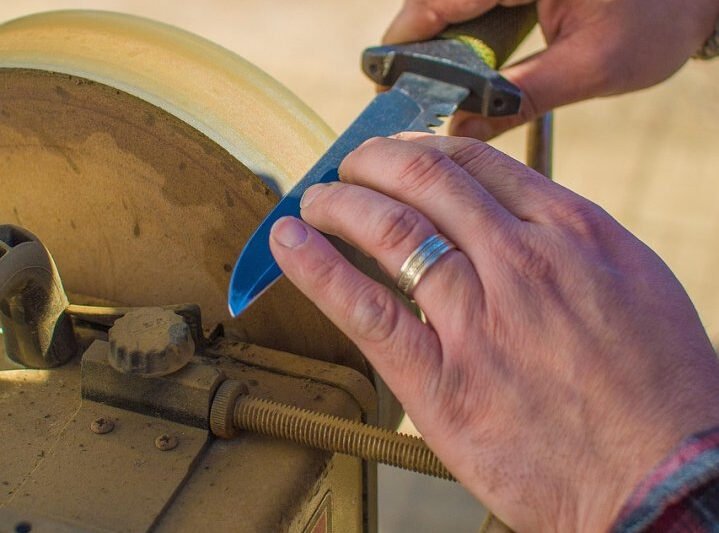
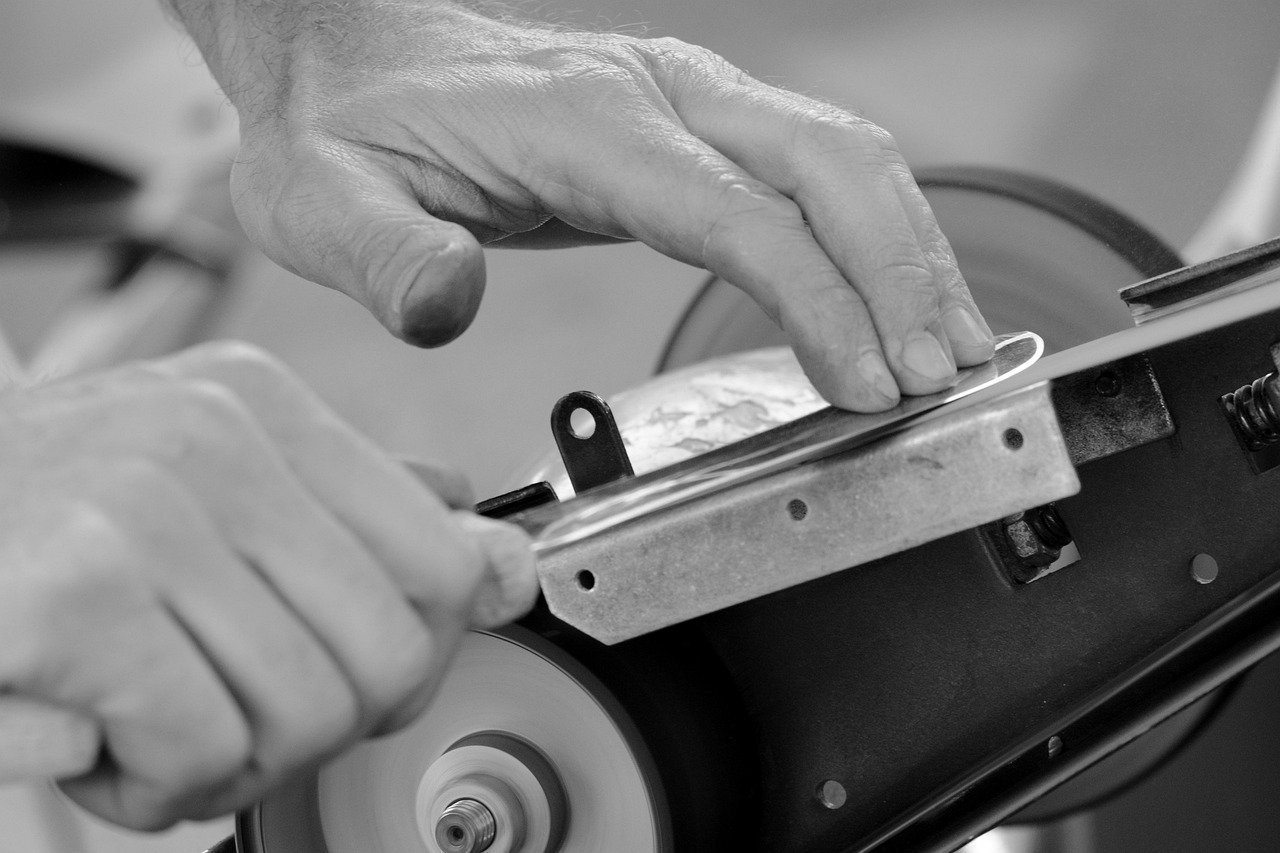
Electric Sharpener: For those seeking convenience, electric sharpeners can quickly restore an edge. However, they may strip away more material than necessary and require care to prevent damage.
Pull-Through Sharpener: These compact tools simplify the process, but they can be less effective for maintaining the knife’s inherent shape and edge retention.
Understanding Grit Levels
The grit level of sharpening tools indicates coarseness. Lower numbers (200-600 grit) are ideal for repairing damaged blades. Medium grit (1000-3000) is suitable for sharpening, while higher grits (4000-8000) are used for polishing and honing the edge. Selecting the appropriate grit for your knife’s condition is crucial for achieving optimal sharpness.
Basic Sharpening Techniques
For utilizing a whetstone effectively, follow these steps:
Preparation: Soak your whetstone in water for about 10-15 minutes. This lubrication is essential for reducing friction and improving the sharpening process.
Angle Maintenance: Consistency in angle is key. Most Western-style knives require a sharpening angle between 20-25 degrees, while Japanese knives generally need 15-20 degrees. Use a protractor or angle guide if necessary.
Sharpening Technique: Begin with the coarser side of the stone. Starting near the bolster (the thick part of the blade), draw the knife down the stone while maintaining the angle, applying light pressure. Each side should receive equal attention (typically around 10-15 strokes per side).
Switching Sides: After establishing a burr (the small piece of metal that curls up on the edge), switch to the finer side of the stone to polish the edge, again alternating sides for uniform sharpening.
Honing Rod Use: After sharpening, finish with a honing rod. Hold the rod vertically and draw the knife down at the sharpening angle to ensure the edge is aligned.
Maintaining Your Knives Post-Sharpening
Post-sharpening, knife maintenance is vital for long-lasting quality. Consider the following:
Proper Storage: Store knives in a designated knife block, magnetic strip, or knife sheath to prevent blade damage. Avoid tossing them in drawers.
Cleaning Practices: Always hand wash your knives with mild detergent; never submerge in a dishwasher. Dry immediately to prevent rusting, especially for carbon steel blades.
Regular Inspection: Throughout regular use, inspect the blade for any nicks or dullness. Implement honing as needed and sharpen as it evolves in condition.
Common Mistakes to Avoid
When sharpening knives at home, missteps can lead to ineffective results or even damage. Avoid the following common mistakes:
Improper Angle: Sharpening at the incorrect angle can diminish the blade’s edge.
Over-Sharpening: Excessively sharpening a knife can compromise the blade’s integrity. Regular honing will prolong the intervals needed for sharpening.
Neglecting Maintenance: Ignoring signs of dullness can result in a more challenging sharpening process. Regular upkeep will facilitate easier sharpening sessions.
Using the Wrong Tool: Different knives require different techniques and tools. Ensure the right sharpening tool is chosen for each blade’s specific requirements.
Incorporating Sharpening into Your Routine
For optimal performance, implement a sharpening routine into your kitchen habits. Depending on usage, sharpening knives every few months or biannually is common. Chefs or avid home cooks who regularly utilize their knives should hone after every usage, ensuring consistent sharpness.
Environmental Considerations
In an era of sustainability, consider eco-friendly sharpening practices. Using natural whetstones made from quarried stones can reduce environmental impact, while maintaining your knives effectively. Additionally, ensure that you recycle any worn-out knives responsibly, exploring local recycling programs.
The Emotional Aspect of Knives
In many culinary traditions, knives hold sentimental value. The emotional bond can enhance the care and attention given to maintenance. Treat them with respect and cherish the memories created through food preparation, as an adequately maintained knife is an extension of the care you provide.
Investing in Quality Knives
Investing in quality knives is essential for ensuring long-term satisfaction. While cheaper options may suffice for short-term needs, long-lasting knives provide durability and resilience. A well-maintained quality knife can become a lifetime partner in the kitchen.
The Role of Professional Sharpening Services
While many home cooks can learn effective sharpening techniques, professional services can revitalize even the dullest of blades. Regularly sending particularly worn knives to a professional for rejuvenation can complement your home practices. This hybrid approach combines the best of both worlds.
Maintaining sharp knives isn’t just a chore but an essential part of the culinary experience. By employing proper sharpening techniques, selecting the right tools, and integrating routine maintenance, you can ensure safe, efficient, and enjoyable cooking experiences for years to come.