

Understanding Cleaver and Chef’s Knife
When navigating the world of kitchen cutlery, two of the most prominent tools that frequently arise are the cleaver and the chef’s knife. Both tools serve crucial roles in food preparation but cater to different needs. Knowing the specific functions and benefits of each can guide you in selecting the perfect knife for your culinary tasks.
What is a Cleaver?
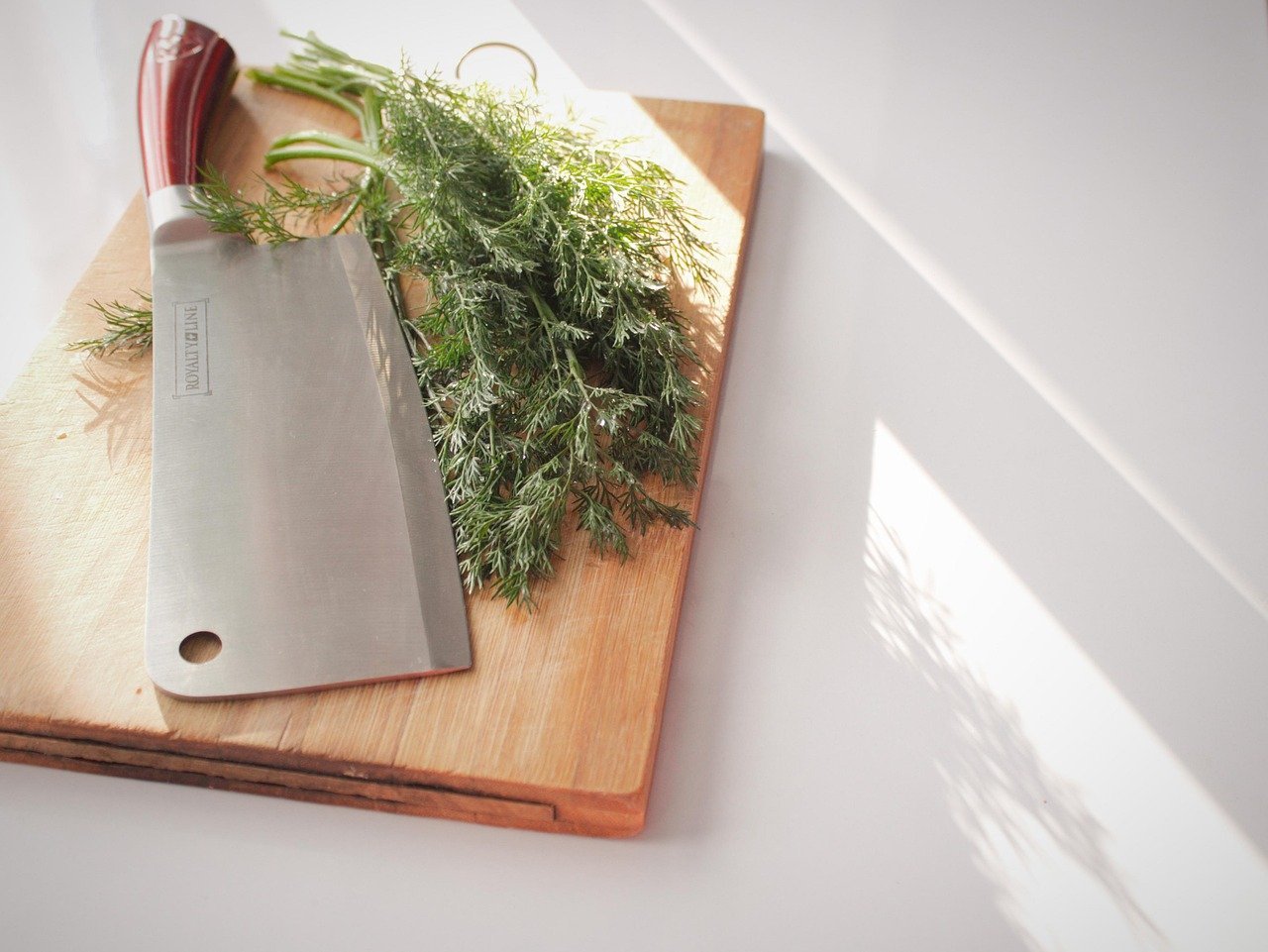
A cleaver, also known as a meat cleaver or butcher knife, is easily recognizable by its wide, rectangular blade. Typically measuring 6 to 12 inches in length, the cleaver is heavier than most knives in the kitchen.
Features of a Cleaver:
- Blade Design: The broad blade and heavy weight of the cleaver allow it to exert significant force, making it suitable for chopping through bones and thick meat.
- Material: Cleavers are often made from high-carbon stainless steel or other durable materials, enhancing their sturdiness and ability to retain sharpness over time.
- Weight: The heft of a cleaver aids in executing straightforward, forceful cuts, making it ideal for slicing through tough pieces with minimal effort.
What is a Chef’s Knife?
The chef’s knife is the quintessential kitchen tool, revered by both amateur cooks and professional chefs alike. A standard chef’s knife typically has a blade length ranging from 8 to 10 inches and is characterized by its tapered point and curved edge.
Features of a Chef’s Knife:
- Versatile Blade: The design allows for multiple cutting techniques, including chopping, slicing, and dicing, making it an all-in-one tool for various food preparation tasks.
- Ergonomic Design: Most chef’s knives feature a balanced weight distribution that enables comfortable, prolonged use, reducing fatigue during longer cooking sessions.
- Material Options: Available in a variety of materials, including carbon steel, stainless steel, and ceramic, each offering unique sharpness, durability, and maintenance levels.
Functional Uses of Cleavers
Cleavers are primarily designed for specific heavy-duty tasks. They excel in various cutting scenarios, including:
- Butchering: Ideal for cutting through thick meat and bone, making it a must-have for those who frequently prepare whole cuts of meat or work with poultry.
- Chopping Vegetables: While not primarily intended for this task, a cleaver can chop through substantial vegetables like squash or pumpkin with ease.
- Smashing Garlic: The flat side of a cleaver blade can crush garlic cloves easily, aiding in flavor extraction.
Functional Uses of Chef’s Knives
The chef’s knife is the go-to tool for a wide array of kitchen tasks, including:
- Slicing and Dicing: From finely mincing onions to slicing tender meat, the versatility allows for diverse culinary techniques.
- Chopping Herbs: The precision offered by a chef’s knife makes it ideal for finely chopping fresh herbs like basil or parsley.
- Mincing: The tapered edge allows the user to rock the knife back and forth smoothly, making it effective for mincing garlic or ginger.
Comparing Blade Durability and Sharpness
Cleaver
- Durability: Due to its thicker blade composition, a cleaver is generally highly durable. It can withstand rough handling and resist chipping when used on bones.
- Sharpness: The edge is usually blunt compared to a chef’s knife, which may not be suitable for tasks requiring precision but excels in heavy-duty scenarios.
Chef’s Knife
- Durability: While generally sturdy, chef’s knives can chip or dull if used on hard surfaces like bones.
- Sharpness: They are designed for sharpness and can achieve an acute edge, ideal for precise cuts and achieving finesse in cooking.
Maintenance and Care
Both knives require proper maintenance to ensure longevity and effectiveness:
For Cleavers
- Cleaning: Cleavers should be hand washed, avoiding prolonged soaking and strong detergents which can warp the steel.
- Sharpening: Regular honing is necessary to maintain a functioning edge, but keep in mind that the edge may not need the same level of precision sharpening as finer knives.
For Chef’s Knives
- Cleaning: Similarly, chef’s knives should be hand washed and dried immediately to protect the blade.
- Sharpening: Routine sharpening with a whetstone or honing steel is essential for maintaining sharpness. Regular professional sharpening is often recommended.
Price Range and Investment
Cleaver
The price of cleavers can vary significantly depending on brand, material, and craftsmanship. Basic versions may start around $20, while high-end professional cleavers can exceed several hundred dollars.
Chef’s Knife
Chef’s knives also range widely in price. Although you can find decent options starting at around $30, premium brands can charge $200 or more for a chef’s knife crafted from high-quality materials.
Choosing the Right Tool Based on Cooking Style
Your choice between a cleaver and a chef’s knife will often depend on your cooking style and frequency of use:
Use a Cleaver If:
- You frequently work with large cuts of meat or bones.
- You enjoy butchering and require a robust tool for heavy chopping tasks.
Use a Chef’s Knife If:
- Your cooking involves a variety of tasks, including slicing vegetables, mincing herbs, and meticulous chopping.
- You prefer a versatile knife that can adapt to multiple styles of food preparation.
Conclusion: Selecting the Ideal Knife
Understanding the roles that both the cleaver and chef’s knife play in the kitchen empowers you to select the right tool based on your culinary needs. Whether you lean towards the heavy-duty power of the cleaver or the versatile finesse of the chef’s knife, each tool offers unique advantages that can enhance your cooking experience. Prioritizing your cooking style, maintenance preferences, and budget can lead you to make an informed decision tailored to your kitchen adventures.