

Understanding the Anatomy of a Clam Knife: Features That Matter
1. Blade Composition
The blade of a clam knife typically comes from high-carbon stainless steel or other durable materials that ensure longevity and resistance to corrosion. High-carbon stainless steel incorporates a combination of iron, carbon, and chromium, which enhances its sharpness, edge retention, and durability against the saltwater environment.
2. Blade Shape
Clam knives possess a distinct, thin, and flat blade with a broader tip. This unique shape is specifically designed for prying open hard-shelled clams, enabling easy manipulation of the shell without damaging the delicate meat inside. The flat blade allows for precision as it can slide into the small openings between the shell’s two halves.
3. Blade Length
On average, clam knife blades range from 3 to 5 inches in length. A longer blade can reach deeper parts of the clam shell, making it easier to get into a tight spot. Meanwhile, a shorter blade gives the user more control, making it easier to work around fragile tissues. The ideal length ultimately depends on personal preference and the specific type of clam being processed.
4. Edge Design
The edges of a clam knife may either be fully sharpened, partially serrated, or entirely blunt, depending on intended use. A sharpened edge helps pierce and cut through soft tissues, while a blunt edge is preferred for wedging open shells. Some clam knives feature a curved or scalloped edge, which allows for better cutting action when separating the meat from the shell.
5. Handle Material
Handle comfort and grip are crucial when using a clam knife, as the task requires considerable force in some instances. Handles are often made from materials such as rubber, wood, or synthetic composites. Rubber provides excellent grip and shock absorption, while wood offers a traditional aesthetic and a warm feeling in hand. Synthetic materials can provide durability and minimal upkeep, contributing to the knife’s overall performance.
6. Handle Shape and Ergonomics
The design of the handle varies across models but typically has a contoured shape to fit comfortably in the palm of the hand. An ergonomic design minimizes hand fatigue, enabling extended use without discomfort. Some handles feature textured surfaces or raised patterns to optimize grip, reducing the likelihood of slipping, especially when force is applied.
7. Tang Design
The tang refers to the portion of the blade that extends into the handle. A full tang, where the blade extends through the entire handle, provides increased strength and balance. A partial tang (or stick tang) terminates before reaching the end, resulting in a lighter knife but less stability and control. For clam knives, a full tang is generally recommended for durability during rigorous shell opening.
8. Blade Flexibility
Blade flexibility is another key feature that distinguishes clam knives. A flexible blade offers better access to the inner parts of the shell while minimizing the risk of tearing the meat. However, an overly flexible blade may compromise efficiency, as it can lead to bending under pressure. Most clam knives offer a balanced flexibility, providing enough rigidity for leverage yet sufficient give to navigate delicate tissues.
9. Tip Style
Clam knife tips vary in form: some may feature a pronounced point, while others are rounded or even blunt. A pointed tip is advantageous for piercing soft tissues, while a rounded tip helps prevent accidental punctures within the meat. The chosen tip style heavily influences the overall usability and application suitability of the knife.
10. Blade Thickness
The thickness of the blade also plays a pivotal role. A thinner blade decreases resistance as it navigates the clam shell’s opening, enhancing penetration ease. However, if the blade is too thin, it may flex excessively or risk snapping under force. Balancing thickness for robust construction, ease of use, and effectiveness is crucial.
11. Safety Features
Safety is paramount when dealing with tools such as clam knives. Some clam knives come equipped with safety features, such as protective sheaths or locking mechanisms. A safety sheath can protect the blade during transport and storage, while locks can prevent accidental closing during use, reducing the chances of injuries.
12. Maintenance Requirements
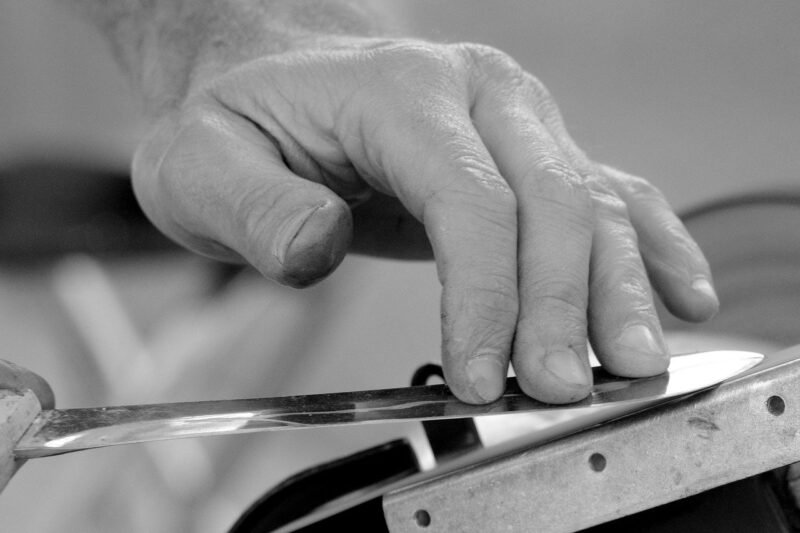
Understanding the maintenance required for your clam knife is essential. Most high-quality knives can withstand regular use when properly cleaned and cared for. It’s vital to wash your knife with freshwater post-use to remove salt and any remaining residue, followed by a thorough drying to prevent rusting. Additionally, occasional sharpening of the blade ensures optimal performance and effectiveness.
13. Versatility
While clam knives are primarily intended for opening clams, many enthusiasts find them versatile enough for other shellfish, like oysters or mussels. A well-designed clam knife can tackle these tasks efficiently, allowing a user to transition between different types of seafood without needing multiple tools. This versatility enhances its value, appealing to recreational shellfish harvesters and culinary professionals alike.
14. Brand Reputation
When selecting a clam knife, it’s important to consider the brand and its reputation. Established manufacturers often invest in quality materials and craftsmanship, which directly influence durability and performance. Reviews and customer feedback can provide insight into a brand’s reliability. Brands with a long history in seafood processing tools typically reflect consistent quality in their products.
15. Price Range
Clam knives come in various price ranges, influenced by materials, brand, and design. Entry-level models might cost around $10 to $20, while professional-grade knives can range from $30 to $100 or more. Investing in a higher-quality knife generally results in better performance and longevity, making it a worthwhile consideration for avid shellfish enthusiasts.
16. User Experience
User experience plays a critical role in determining the efficacy of a clam knife. Experienced users often have personal preferences regarding knife design, but positive experiences come from balancing blade sharpness, handle design, and overall usability. Engaging with user forums or product reviews can offer insights into how different designs perform under real-world conditions.
17. Warranty and Return Policies
When investing in a clam knife, checking warranty and return policies is essential. Quality manufacturers stand behind their products and offer warranties that protect against defects. A good return policy ensures that if the knife doesn’t meet the user’s needs or expectations, they have the option to exchange or return it without hassle.
18. Additional Accessories
Some clam knives come packaged with additional accessories, enhancing the overall user experience. Common accessories include protective holsters, sharpening stones, or maintenance kits. Investing in tools that complement your knife can provide added functionality and preserve the integrity of the blade over time.
19. Popular Clam Knife Models
Several models are favored among clam harvesting enthusiasts, each boasting unique features suited to different preferences. Notable names include the “Dexter-Russell Clam Knife,” known for its robust design and reliability, and the “Kershaw Clam Knife,” favored for its lightweight construction and versatility. When considering a purchase, exploring user experiences with popular models can provide deeper insights.
20. Final Considerations
Choosing the right clam knife involves thorough research into blade specifications, handle designs, and overall usability. Understanding the anatomy and features of clam knives arms potential buyers with the knowledge needed to make informed decisions, enriching the clam-harvesting experience.