

Understanding Slipjoint Pocket Knives: A Beginner’s Guide
What is a Slipjoint Pocket Knife?
Slipjoint pocket knives are traditional folding knives that utilize a slipjoint mechanism to secure the blade in an open or closed position. Unlike locking knives, where a mechanism ensures the blade stays in place while in use, slipjoints rely on the tension of a spring to hold the blade open. This design creates a simple, user-friendly tool that has stood the test of time, appealing to novices and seasoned collectors alike.
History of Slipjoint Pocket Knives
The origins of slipjoint pocket knives can be traced back to the early 19th century. Initially developed in England, these knives became popular among various demographics, especially for everyday utility. The simplicity and reliability of the slipjoint mechanism made it an attractive option for craftsmen, laborers, and outdoor enthusiasts.
Over the years, slipjoint knives evolved, with contributions from American manufacturers, particularly in the early 1900s. Brands like Case, Camillus, and Schrade began to produce high-quality slipjoints, often featuring intricate designs and high-grade materials.
Components of a Slipjoint Knife
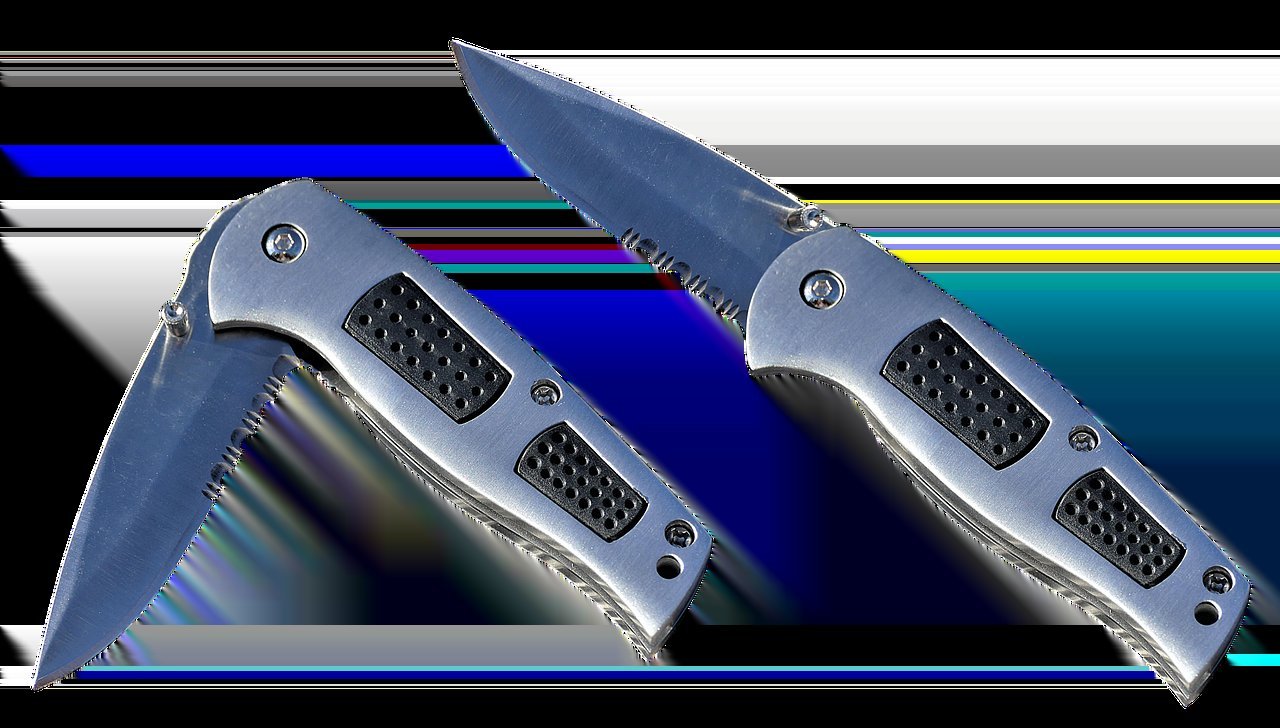
Blade: The blade is the working part of the knife and comes in various shapes and styles, including drop point, clip point, and sheepsfoot. Materials often used include stainless steel and carbon steel for durability and edge retention.
Handle: Slipjoint handles come in diverse materials such as wood, bone, synthetic composites, and metal. A comfortable handle provides a solid grip, which is crucial for safe and effective use.
Backspring: The backspring is a vital component that adds tension to the blade, allowing it to stay open or closed. The strength and quality of the backspring can significantly affect the knife’s functionality.
Bolster: The bolster is located at the junction of the blade and handle. It provides added strength and can be made of various materials, often coordinating with the handle for aesthetic purposes.
Pivot Pin: This pin allows the blade to pivot open and closed. Quality pivot pins contribute to the overall smoothness of the knife’s operation.
How Slipjoint Mechanisms Work
The slipjoint mechanism relies on a backspring that holds the blade in the open position through tension. When the blade is opened, the backspring compresses, and when the blade is closed, it returns to its original position. The blade does not lock; instead, it is held in place with enough force to prevent closure during regular use, but it can be easily disengaged by applying pressure on the blade.
Advantages of Slipjoint Pocket Knives
Simplicity: The design is straightforward, making it accessible for beginners. There are no intricate locking mechanisms, which can sometimes complicate usage.
Versatility: Available in various blade shapes and sizes, slipjoints can cater to many tasks, from everyday carry (EDC) to camping, fishing, or even as collectible pieces.
Legal Carry: In many jurisdictions, slipjoint knives are more legally permissible than locking knives due to their design, which limits the potential for accidental serious injury.
Tradition and Aesthetic: Slipjoint knives often come with ornate designs and traditional materials, appealing to those interested in craftsmanship, history, and the artistry of knife-making.
Different Types of Slipjoint Pocket Knives
Single-Blade Models: Featuring one main blade, these knives are often light, easy to carry, and perfect for everyday tasks.
Multi-Blade Models: These knives have two or more blades, allowing for versatility in function. Common configurations include combinations of different blade shapes.
Pen Knives: A subtype of slipjoint, pen knives are small with slender blades, typically designed for light tasks like opening letters or minor cutting jobs.
Trapper Knives: These usually have two blades: a clip point blade and a spey blade. They were designed for hunters and outdoorsmen for skinning and processing game.
How to Choose a Slipjoint Pocket Knife
Blade Material: Look for high-carbon steel for better edge retention but consider stainless steel for more corrosion resistance.
Size and Weight: Choose a size that fits comfortably in your pocket and is easy to handle. A smaller knife is ideal for everyday tasks, while a larger knife might be better suited for specific outdoor activities.
Handle Material: Focus on comfort and durability. Natural material handles provide a classic aesthetic but may require more maintenance than synthetic options.
Brand Reputation: Research brands known for craftsmanship and quality. Established brands are more likely to provide reliable and durable products.
Maintenance Tips for Slipjoint Knives
Cleaning: Regularly clean the blade and handle with a soft cloth. If necessary, use mild soap and water, ensuring the knife is completely dry afterward to prevent rust.
Lubrication: Apply a few drops of oil to the pivot area and backspring to keep the blade operational and prevent rust.
Sharpening: Maintain the edge using a whetstone, strop, or sharpening system, depending on your skill level. Regular honing can prolong the life of your knife.
Storage: Store knives in a dry environment, ideally in a protective case or a dedicated spot to avoid scratching and other damage.
Safety Tips When Using Slipjoint Knives
Awareness: Always be aware of your surroundings and the position of the blade while in use to avoid accidental cuts.
Proper Gripping: Hold the knife firmly but comfortably, ensuring that your fingers are away from the blade’s edge.
Closing the Knife: Always use caution when closing the blade; press the backspring gently as you fold the knife to prevent the blade from snapping shut quickly.
Use for Intended Purposes: Slipjoint knives are designed for a variety of tasks but should not be used for heavy-duty jobs better suited for fixed-blade knives.
Conclusion and Resources
Understanding slipjoint pocket knives is crucial for anyone interested in this timeless tool. With a rich history, a multitude of applications, and endless options for customization, slipjoint knives offer something for everyone. As you explore these tools, remember to prioritize safety, proper maintenance, and an appreciation for the craftsmanship that goes into each knife. Whether you’re collecting or using it daily, a slipjoint knife can become an invaluable companion in your life.