

Understanding Knife Sharpening
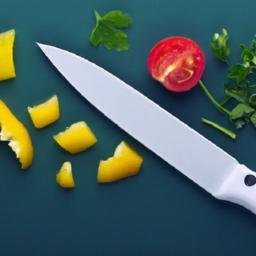
To effectively sharpen a knife, it’s essential to understand the anatomy of a knife. The blade consists of different parts: the tip, the spine, the edge, and the heel. Each component plays a critical role in the knife’s functionality. When sharpening, the primary focus is usually on the edge, where the blade meets the surface being sharpened. The angle at which you sharpen your knife edge is crucial; common angles are 15-20 degrees for Asian knives and 20-25 degrees for Western knives.
Types of Sharpening Stones
When it comes to sharpening knives, two primary types of stones are popular: water stones and oil stones. Understanding the differences can greatly impact your sharpening process:
Water Stones: These stones require water as a lubricant during the sharpening process, which helps remove metal particles from the surface. Water stones typically sharpen faster and are available in various grits.
Oil Stones: Oil stones, as the name suggests, use oil for lubrication. They tend to be slower in terms of sharpening speed but offer a durable surface that can last for years.
Grit Levels Explained
Grit levels play a significant role in determining how quickly a knife can be sharpened and how fine the edge becomes. Here’s a brief overview of common grit levels:
- Coarse Grit (200-600): Ideal for correcting dull edges or chips.
- Medium Grit (800-2000): Used for regular sharpening and maintenance.
- Fine Grit (2000-8000): Perfect for honing the edge to achieve a polished finish.
Preparing for Sharpening
Sharpening a knife requires certain preparations to ensure safety and effectiveness:
- Gather Your Tools: You will need your knife, sharpening stone, water or oil (depending on the type of stone), and a towel for drying.
- Stabilize the Stone: To prevent slipping, place the stone on a non-slip mat or a damp towel to keep it steady while sharpening.
- Correct Your Grip: Grip the knife firmly while keeping your fingers away from the edge. Ensure that you are comfortable and able to maintain control throughout the sharpening process.
The Knife Sharpening Process
1. Soaking the Stone
If you’re using a water stone, soak it in water for about 10-15 minutes before starting. This helps to keep the stone lubricated and prevents it from drying out during use. Oil stones do not need any soaking; instead, apply a thin layer of honing oil on the surface.
2. Identifying the Right Angle
Position the knife against the stone at the correct angle for your specific knife. For many Western knives, a 20-degree angle works best. The grip should allow you to maintain this angle as you draw the knife along the stone.
3. The Sharpening Motion
Pulling Method: For many, the preferred method is to pull the knife towards you.
- Begin at the heel of the blade, applying light pressure and moving the knife towards the tip while keeping the angle consistent.
- Ensure that you cover the entire edge, repeating the motion around 5-10 times before switching sides.
Pushing Method: Some prefer to push the blade away from them.
- Start at the tip of the knife, applying light pressure, and move down the blade towards the heel.
- Repeat the motion up to 10 times before switching sides.
4. Alternate Sides
After sharpening one side for 5-10 strokes, it is essential to switch to the opposite side. This ensures that you maintain a balanced edge.
5. Refine the Edge
Once you have established a burr (a slight raised edge caused by sharpening), switch to a finer grit stone to refine the edge. The steps are similar:
- Use a lighter touch to avoid removing too much material.
- Repeat the sharpening motion around 5 minutes on each side until you achieve your desired sharpness.
6. Testing the Sharpness
To test the sharpness of the knife, you can gently slice through a piece of paper or try slicing a tomato. A sharp knife will cut cleanly with minimal pressure.
Maintenance Tips
After sharpening your knife, it’s critical to maintain the edge to prolong its life:
- Honing: Use a honing rod regularly, ideally after each use, to maintain the sharpness without needing to resort back to the stone.
- Cleaning: Clean your knife immediately after use to remove any food particles or debris that may dull the edge.
- Storage: Store your knives in a designated knife block, magnetic strip, or knife case to prevent accidental damage to the edge.
Troubleshooting Common Issues
1. Uneven Edge
If the knife edge feels uneven, check your angle. You should aim for a consistent angle throughout the entire sharpening process.
2. Build-Up on the Stone
If you notice metal particles accumulating on the stone surface, clean it with water and a soft brush or use a flattening stone to maintain a flat sharpening surface.
3. Over-Sharpening
Avoid excessive sharpening, which can lead to a diminishment in the blade material. Focus on lighter pressure and longer strokes rather than heavy force.
Conclusion of the Sharpening Process
By following these detailed steps, tips, and best practices, sharpening your knife using stones becomes a straightforward, effective process. Enjoy the precision and benefits of a well-sharpened knife in your kitchen or any craft. Engaging in this craft not only enhances your culinary skills but also promotes safety and precision in your work. Happy sharpening!