

Understanding Knife Blade Sharpeners
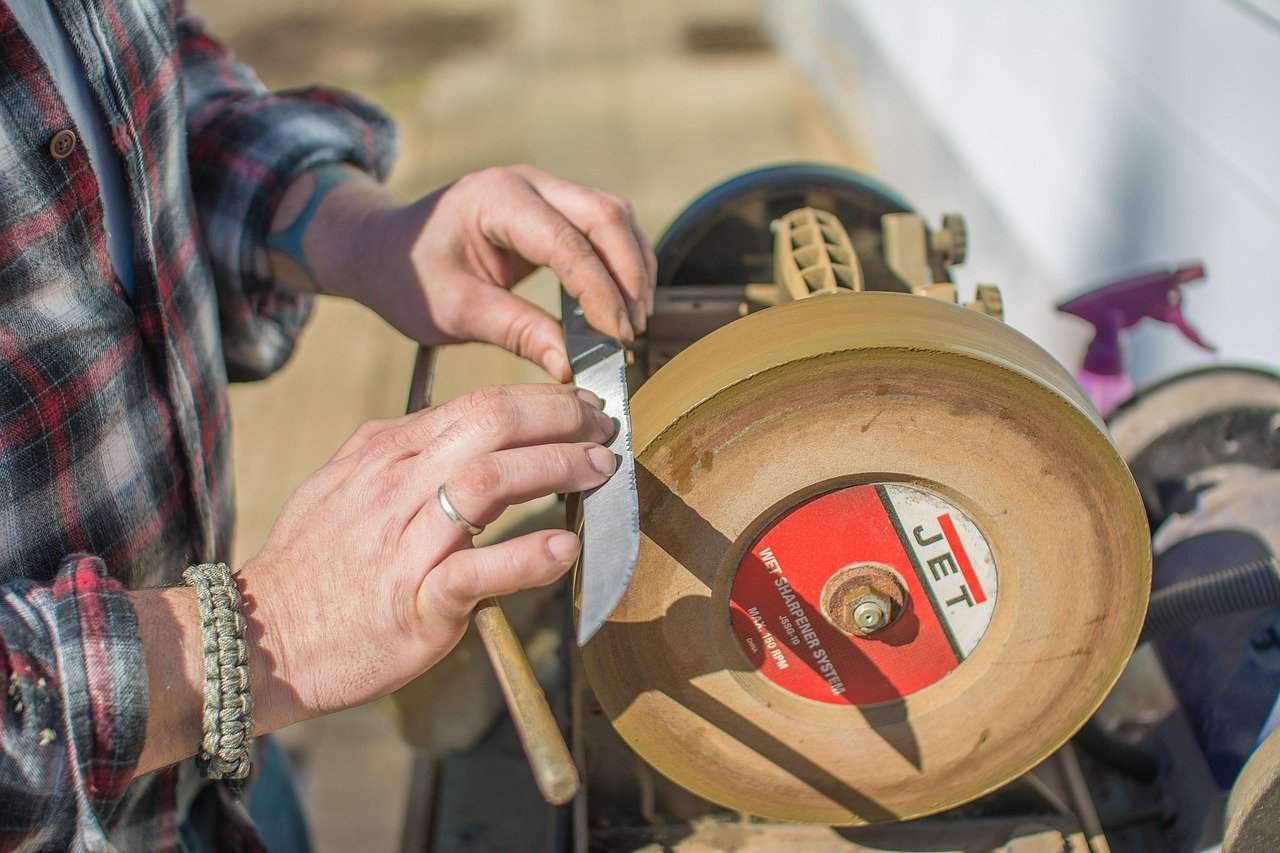
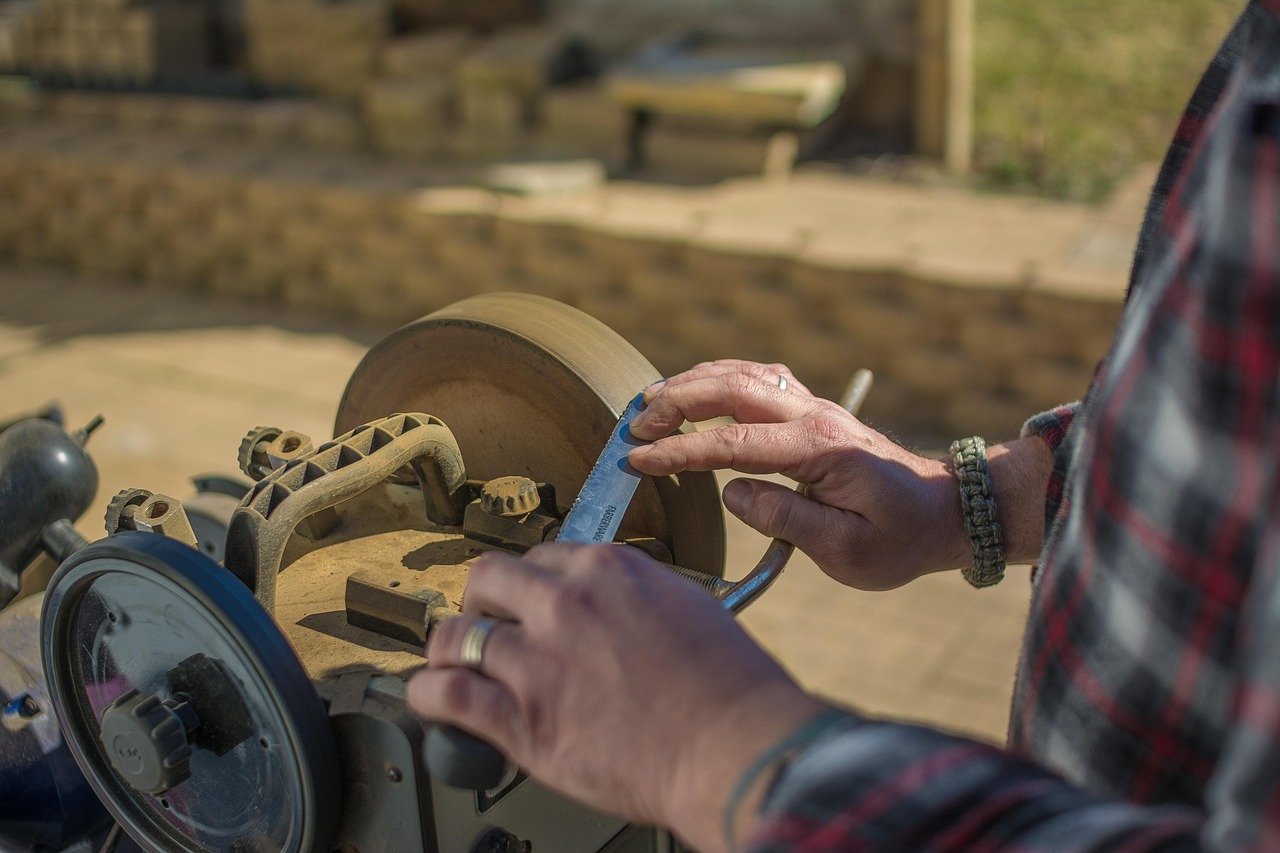
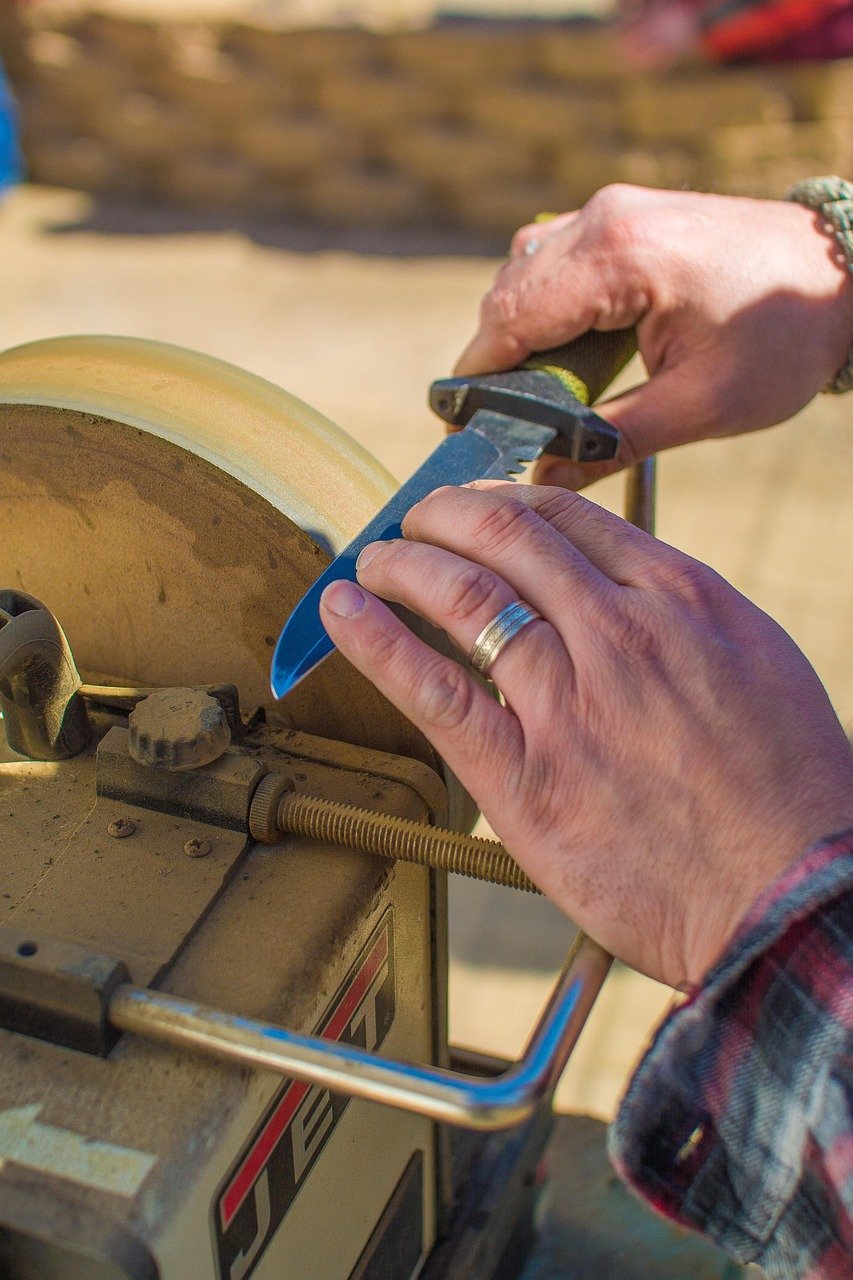
Knife blade sharpeners come in various types, including electric sharpeners, manual whetstones, and honing rods. Each type has its own maintenance needs, and understanding them is crucial for their longevity and effectiveness. Knowing your sharpener type will help tailor your maintenance strategy.
Regular Cleaning
Cleaning your knife sharpener after each use is essential for its performance. Food particles and metal shavings can accumulate, leading to subpar sharpening results. Here are steps you can follow for effective cleaning:
- Disassemble (if applicable): For electric sharpeners, ensure you unplug the device before disassembly.
- Use a Soft Brush: Utilize a soft-bristled brush or a toothbrush to remove debris. Avoid using abrasive materials that could scratch surfaces.
- Wipe Down: Use a damp cloth to wipe down the exterior and interior surfaces. For manual sharpeners like whetstones, rinse them under warm water to remove any residue.
- Dry Thoroughly: Ensure everything is completely dry before reassembly or storage to prevent rusting.
Proper Storage
How you store your knife sharpener significantly impacts its lifespan. Proper storage prevents damage from environmental factors like humidity and unexpected impacts. Here’s how to store different types effectively:
- Electric Sharpeners: Store them in a dry, cool place, preferably in their original packaging or a dedicated drawer to prevent dust accumulation.
- Whetstones: Whetstones should be kept in a cool, dry area. You may store them in a container with a lid to avoid moisture. Ensure they are fully dry before storage.
- Honing Rods: Hang or place honers in a protective sleeve to avoid scratches or accidental breakage.
Regular Inspection
Conducting regular inspections is vital to spot any wear and tear early. Check for signs of damage or wear:
- Electric Sharpeners: Look for frayed cords or malfunctioning mechanisms.
- Whetstones: Inspect for cracks or chips. Flatness is crucial, so a small ruler or straight edge can help identify if they need flattening.
- Honing Rods: Ensure the rod’s surface is smooth without deep grooves or rust.
Maintaining Your Whetstone
A whetstone requires special attention, as its performance is determined by its flatness and grit consistency. Here are key maintenance tips:
- Flattening: Over time, a whetstone can become uneven. Use a flattening stone to maintain an even surface. Regularly check if your whetstone is flat, especially after heavy use.
- Soaking: For oil stones, apply a few drops of honing oil before sharpening. For water stones, soak them in water for up to 10-15 minutes. However, after use, wipe away excess oil or water and allow the stone to dry completely.
- Grit Selection: Use multiple stones of different grits ranging from coarse to fine. Regularly assess whether you are using the right grit for your knife blade.
Caring for Electric Sharpeners
Electric sharpeners are convenient but require specific care to function well:
- Inspect Blades: Ensure that the sharpening blades are clean and undamaged. Replace them if they show significant wear or chips.
- Check Settings: Different blades require different sharpening angles; make sure that your sharpener’s settings match those of the knives you sharpen.
- Use Proper Technique: Follow the manufacturer’s instructions for use to ensure blades aren’t overloaded—this can cause overheating and motor stress.
Enhancing Longevity with Oil and Lubrication
For most knife sharpeners, lubrication is key:
- Manual Sharpeners: Apply honing oil or water to whetstones as mentioned above. For honing rods, a light application of mineral oil can help minimize friction.
- Electric Devices: Inspect and clean the motor ventilation area to prevent overheating. In some cases, applying a small amount of machine oil to moving parts can enhance their longevity.
Training and Technique Improvement
The better you know how to use and maintain your knife sharpeing tools, the longer they will last:
- Practice Consistency: When using manual sharpeners, practicing consistency in angles and pressure will not only yield sharper knives but also reduce wear on the sharpener.
- Usage Instructions: Always adhere to the manufacturer’s instructions regarding angles, pressure, and usage frequency. This not only affects performance but also extends the sharpener’s life.
Troubleshooting Common Issues
It’s beneficial to be aware of common problems and how to resolve them:
- Knives Not Sharpening Properly: This could indicate that the sharpener blades are worn. In that case, consider replacing them or using a different method.
- Rough Edges: If your blades develop a rough or jagged edge, check your technique. Ensure that consistent angles are maintained throughout the sharpening process.
- Heat Build-Up: If your electric sharpeTil balance between work and rest periods to cool down the sharpener. Excessive heat can harm both the knife and the sharpener.
Resource Management
Investing in quality sharpening equipment and educating yourself on maintenance practices pays off. Here’s how to maximize your resources:
- Purchase Quality Tools: Always choose dependable brands that offer maintenance recommendations.
- Follow User Manuals: Familiarize yourself with the instructions provided to avoid missteps.
- Join Online Communities: Engage in forums and groups where enthusiasts exchange tips and recommendations for maintaining sharpeners.
Conclusion
Following these guidelines can help ensure that your knife blade sharpeners work efficiently and last longer. With appropriate maintenance and care, your sharpening tools will be a reliable asset in your kitchen. This not only prolongs their lifespan but also continually provides the best sharpening performance for your knives.